




The Mystery of a Hazy Twin
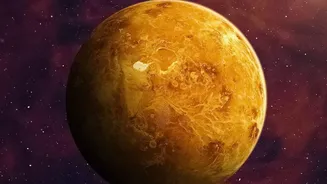
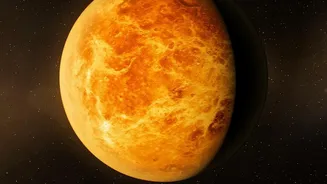
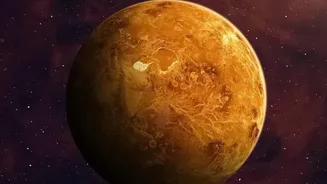
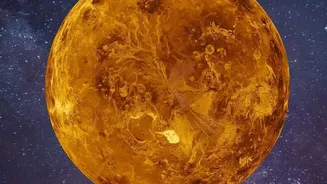
Venus is similar in size to Earth, yet its evolution took a dramatically different path. Its surface, with a temperature hot enough to melt lead, is mostly hidden by a thick, toxic atmosphere of carbon dioxide and clouds of sulfuric acid. This dense veil
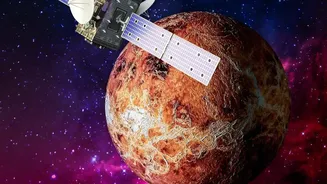
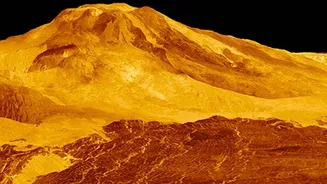
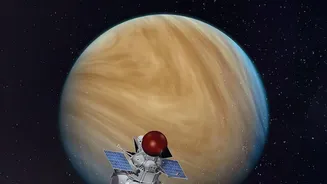
makes studying the surface incredibly difficult. However, radar mapping by previous missions, like NASA's Magellan, revealed a world covered in volcanic features—more than any other planet in our solar system. While scientists found strong evidence in old data showing a volcanic vent changed shape over eight months, confirming present-day activity remains a top scientific goal. The Indian Space Research Organisation's (ISRO) upcoming Venus Orbiter Mission, known as Shukrayaan, is designed to tackle this very mystery.
Hunting for Atmospheric Fingerprints
How can an orbiter detect a volcano from space without seeing it directly? The answer lies in the atmosphere. On Earth, volcanoes are a primary source of sulfur dioxide. On Venus, this gas is also present but behaves strangely. Sunlight breaks down sulfur dioxide in the upper atmosphere, so any gas found there must have been recently supplied from below. Spikes in sulfur dioxide concentration, like those observed by ESA's Venus Express, are considered a potential fingerprint of a recent volcanic eruption acting like a piston, blasting the gas upwards. However, the planet's super-fast atmospheric circulation can quickly spread these gases, making it hard to pinpoint the source. ISRO's mission aims to systematically map these atmospheric chemicals to distinguish between background fluctuations and a true volcanic plume.
ISRO's Scientific Toolkit
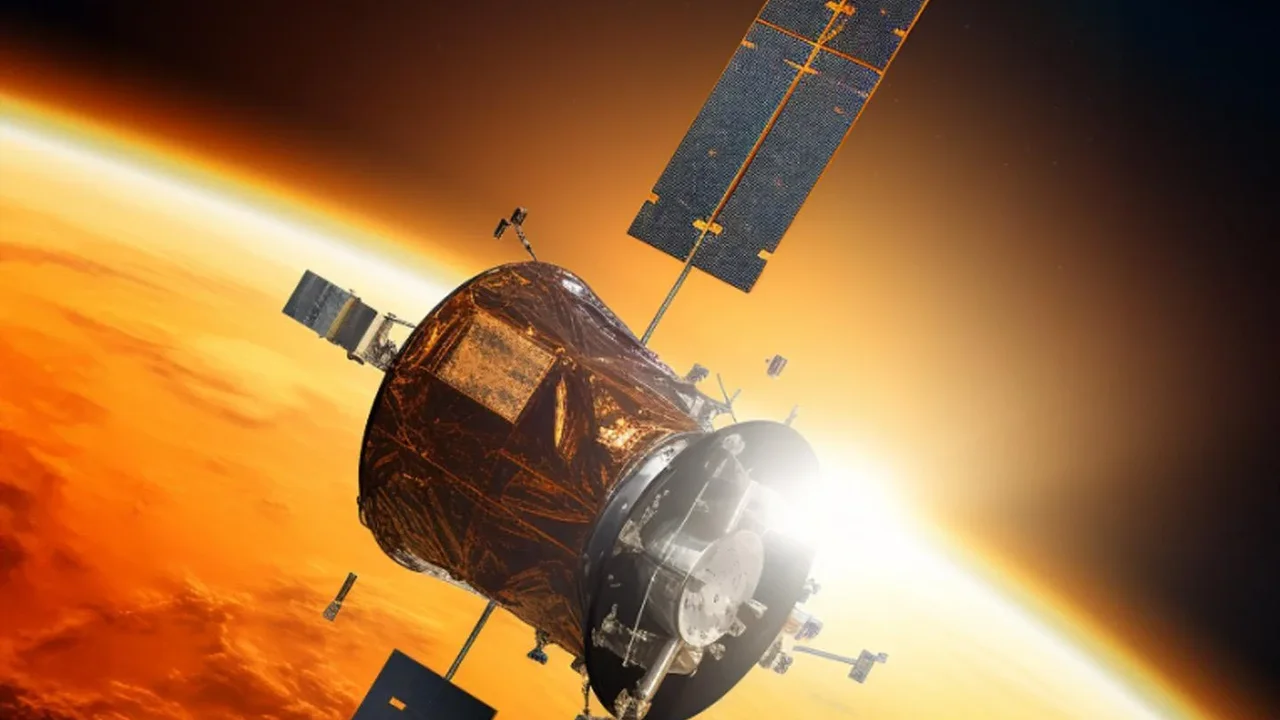
To hunt for these clues, Shukrayaan will carry a suite of advanced instruments. A key component is the Venus Infrared Atmospheric Gases Linker (VIRAL), a collaborative instrument from France and Russia, designed to study the chemical composition of the atmosphere. Its primary task is to measure the concentration of gases like sulfur dioxide and water vapor, which are telltale signs of volcanic outgassing. By repeatedly mapping these gases, scientists hope to catch a transient plume in the act. The orbiter will also be equipped with a high-resolution Synthetic Aperture Radar (SAR) to peer through the clouds and map the surface with greater detail than ever before, looking for physical changes like new lava flows. This two-pronged approach—combining atmospheric chemistry with surface imaging—provides a powerful strategy for confirming active volcanism.
A Global Collaboration in Space
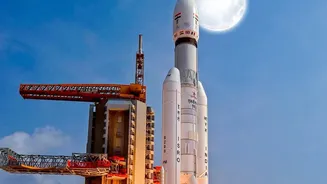
While Shukrayaan is an Indian-led mission, it highlights a growing trend of international partnership in deep-space exploration. The orbiter will carry payloads from several countries. Besides the Franco-Russian VIRAL instrument, Sweden is contributing the Venusian Neutrals Analyser (VNA). This instrument will study how the solar wind interacts with the Venusian atmosphere, helping scientists understand how Venus lost its water and became the inhospitable world it is today. Germany is also involved in an instrument collaboration. This global teamwork not only shares the technical burden but also brings together diverse scientific expertise, enhancing the mission’s potential for groundbreaking discoveries. The mission is currently planned for a 2028 launch.