
A Nutritional Powerhouse
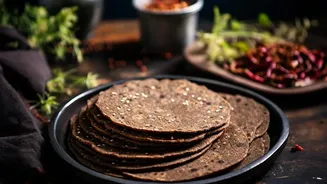
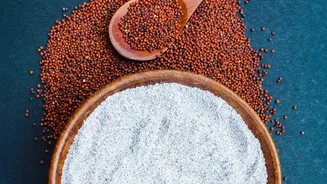
The primary driver behind ragi's comeback is health consciousness. Unlike refined flour (maida), ragi, or finger millet, is a nutritional heavyweight. It is exceptionally rich in calcium, containing about 10 times more than wheat, making it excellent
for bone health. It's also a great source of iron, which helps combat anemia, and is packed with dietary fibre. This high fibre content aids digestion and promotes a feeling of fullness, which can help manage overall calorie intake during festive binges. For families managing conditions like diabetes, ragi's lower glycemic index is a significant advantage, as it helps regulate blood sugar levels more effectively than conventional sweets.
Returning to Traditional Roots
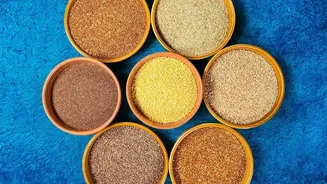
The embrace of ragi is also part of a larger cultural shift towards valuing indigenous and traditional foods. For centuries, millets were a staple across India before being overshadowed by wheat and rice. Today, urban families are rediscovering these 'forgotten' grains, viewing them as a link to their heritage. Cooking with ragi is seen not as a compromise, but as a mindful choice to incorporate ancestral wisdom into modern lifestyles. This trend reflects a growing pride in local ingredients and a desire to move away from overly processed foods, especially when preparing sweets for auspicious occasions.
From Ladoos to Lava Cakes
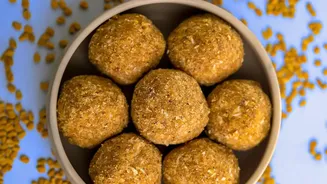
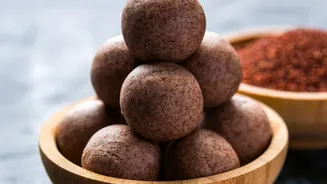
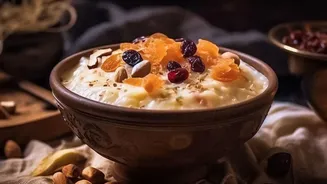
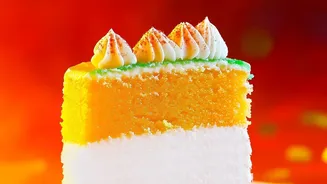
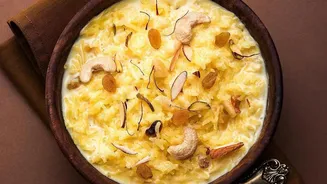
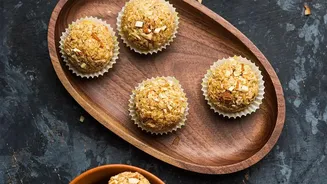
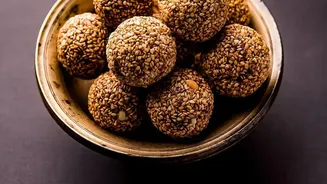
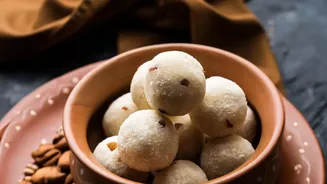
The versatility of ragi flour is a key factor in its growing popularity. It has a distinct earthy and nutty flavour that pairs surprisingly well with both traditional and modern ingredients. Kitchens are buzzing with creativity, churning out everything from classic Ragi Ladoos, Halwa, and Burfis to contemporary treats like ragi chocolate cakes, cookies, and even brownies. This adaptability allows families to enjoy their favourite festive flavours without sacrificing nutrition. Sweetened naturally with jaggery or dates instead of refined sugar, these desserts offer a guilt-free way to celebrate.
The Modern Convenience Factor
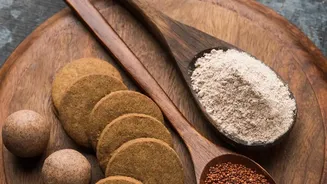
For this trend to stick in busy urban households, convenience is crucial. In the past, preparing millets could be time-consuming. However, ragi flour is now widely available in both regular and sprouted forms, making it incredibly easy to use. Sprouting ragi, a traditional process, further enhances its nutritional value by making minerals like iron and calcium more easily absorbed by the body. As a naturally gluten-free grain, ragi also caters to a growing population with gluten sensitivities or those simply looking to diversify their diet, making it a practical and inclusive choice for festive gatherings.
More Than Just a Health Fad
What makes the ragi trend compelling is that it is not about deprivation. It’s about enhancement. By swapping refined flour for ragi, families are not just cutting down on empty calories; they are adding a wealth of nutrients, including protein, essential minerals, and antioxidants. This shift transforms the very idea of a festive dessert from a 'guilty pleasure' into a wholesome, nourishing treat. It allows for indulgence that aligns with a long-term wellness mindset, proving that festive celebrations and healthy eating can go hand-in-hand.