







The New Race for the Moon
For decades, reaching the Moon was a feat reserved for global superpowers and their colossal government space agencies. Today, the landscape is dramatically different. The new lunar race is commercial, driven by a global ecosystem of private companies
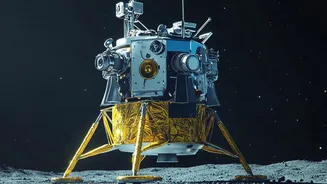
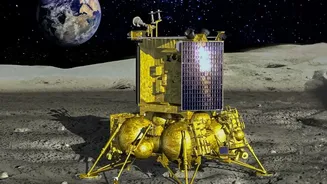
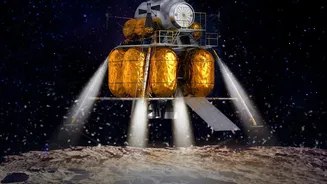
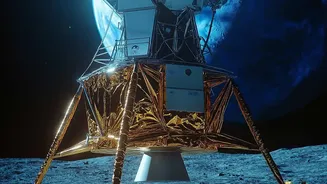
offering everything from launch services to landing platforms. At the heart of this shift is the concept of a shared lunar economy, where access to the Moon is not a monolithic national project but a service that can be bought. Companies like America's Intuitive Machines and Astrobotic are building landers, and they have payload space for sale. This has created a tantalizing opportunity for smaller, agile players to get their technology onto the lunar surface without the multi-billion-dollar overhead of a state-run mission. This is the new frontier where Indian startups are looking to make their mark.
From a Grand Prize to a Grand Vision
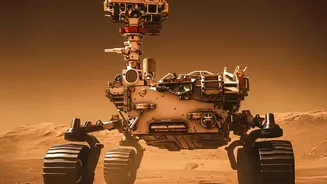
Much of the current momentum in India's private space sector can be traced back to the Google Lunar XPrize, a global competition that challenged teams to land a privately funded rover on the Moon. While the prize ended in 2018 without a winner, it acted as a powerful catalyst. The most prominent Indian entrant was TeamIndus, a Bengaluru-based company run by Axiom Research Labs. Comprising a mix of young engineers and veteran ex-ISRO scientists, the team developed a rover named ECA, an acronym for 'Ek Choti Si Asha' or 'A Small Hope'. Though they didn't launch for the prize, the expertise, designs, and ambition lived on. The project proved that a private Indian entity could engineer and develop the complex systems required for a lunar mission, attracting investors and laying the groundwork for a commercial future.
The 'Uber to the Moon' Business Model
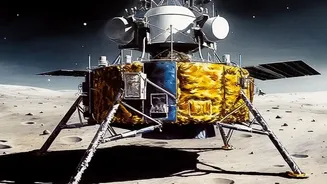
The key to the 'low-cost' aspect of these missions is a fundamental change in business strategy. Instead of building their own lander and rocket, startups are designing rovers as payloads that can hitch a ride on commercial landers. It's an 'Uber pool' model for the cosmos. The primary market for these rides is NASA's Commercial Lunar Payload Services (CLPS) initiative, which contracts private companies to deliver science and technology instruments to the Moon. Axiom Research Labs (TeamIndus) initially secured a path to the Moon this way, signing on to fly its hardware as part of a bid from the US-based company OrbitBeyond, which won a CLPS contract in 2019. While that specific mission was later cancelled, the model itself is now the standard playbook for commercial lunar access. The goal is to build rovers that are lightweight, capable, and affordable enough to be an attractive payload for any lander heading moonward.
A Growing National Ecosystem
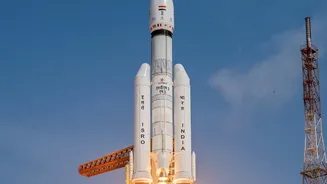
While Axiom Research Labs remains a key player in the lunar rover space, its ambition is part of a much larger trend. India's space-tech sector is booming. The success of ISRO has created a deep talent pool and inspired a new generation of entrepreneurs. Startups like Skyroot Aerospace, which recently launched its Vikram-1 rocket, and Dhruva Space, which focuses on satellites, are building critical pieces of the space value chain. This domestic ecosystem is crucial. It means rover developers can potentially source components, test facilities, and even launch services from within the country, fostering collaboration and further driving down costs. The presence of a vibrant hub in Bengaluru, with its concentration of tech talent and aerospace expertise, provides a solid foundation for this growth.
The Road Ahead Is Not Without Craters
Despite the immense promise, the path to the Moon remains fraught with challenges. Designing hardware that can survive the vacuum of space, extreme temperature swings, and the harsh lunar dust is a monumental engineering task. Securing a launch contract and integrating a rover with a third-party lander involves complex logistics and intense negotiation. And above all, funding remains a constant hurdle. Space is a capital-intensive business, and while the costs are falling, they are still substantial. Startups must not only build innovative technology but also convince investors of a long-term vision for profitability, whether through selling data, testing technologies for larger agencies, or future resource exploration. The journey from a workshop in Bengaluru to the lunar surface is long, but for the first time, it is a journey that private Indian enterprise can realistically undertake.