





Beyond the Cardio Myth
For years, the prevailing wisdom in many Indian gyms and households was that cardio was the ultimate, and perhaps only, workout for women. The goal was often singular: weight loss. Activities like running, Zumba, and aerobics were promoted as the ideal
way to get slender. However, a growing community of women is now challenging this narrow view. They’ve discovered that while cardio is excellent for heart health, relying on it alone can be a slow and sometimes frustrating path to their fitness goals, as it doesn't build the muscle that truly reshapes the body and boosts metabolism.
The Science of Strength
The choice to lift heavy isn't just a trend; it's backed by science. Unlike steady-state cardio, where calorie burn largely stops when the session ends, strength training builds lean muscle mass. This is crucial because muscle is metabolically active tissue. The more muscle you have, the higher your basal metabolic rate (BMR), meaning your body burns more calories even while at rest. This 'after-burn' effect, known as excess post-exercise oxygen consumption (EPOC), can keep your metabolism elevated for hours after you've left the gym. This metabolic advantage is a key reason many women find weightlifting more effective for long-term fat loss and body composition changes.
Building More Than Just Muscle
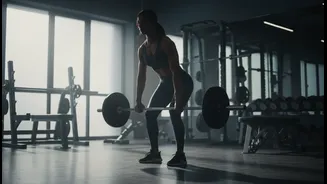
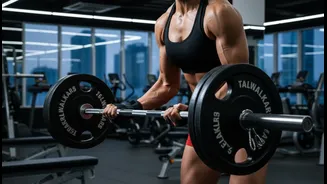
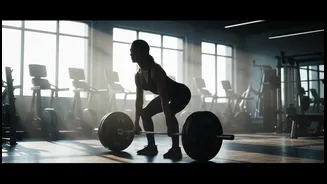
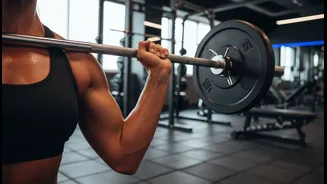
Perhaps the most powerful driver of this shift is the profound mental and emotional impact of lifting. Women across India report that strength training fosters a unique sense of empowerment and confidence. The focus shifts from simply trying to shrink their bodies to celebrating what their bodies can do. Achieving a new personal best on a deadlift or mastering a squat provides a tangible sense of accomplishment that builds mental resilience. This newfound physical strength often translates into greater confidence outside the gym, helping women feel more capable and independent in their daily lives.
Busting the 'Bulky' Stereotype
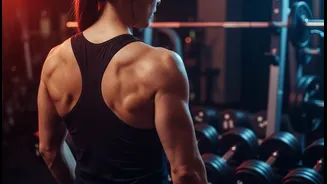
One of the most persistent myths that has deterred Indian women from the weights section is the fear of becoming 'bulky' or 'manly'. Fitness experts and female lifters are now loudly debunking this misconception. Women have significantly lower testosterone levels than men, the primary hormone responsible for large muscle growth. Gaining a bodybuilder-like physique requires years of specific, intense training and a highly controlled diet that is far beyond a typical fitness routine. For most women, the result of consistent weightlifting is a leaner, stronger, and more 'toned' appearance, as muscle is denser and takes up less space than fat.
A Prescription for Long-Term Health
Beyond aesthetics and confidence, strength training is a powerful tool for long-term health, particularly for women. It is one of the most effective ways to build and maintain bone density, offering crucial protection against osteoporosis, a condition to which women are more susceptible, especially after menopause. Stronger muscles also provide better support for joints, improving stability and reducing the risk of injury. For many, lifting is not just about looking and feeling good today, but an investment in a healthier, more independent future.