




The Monsoon's New Meaning
For years, the Indian monsoon was seen by the travel industry as a lull, a period of washed-out roads and limited options. Travellers either stayed home or flocked to a handful of well-trodden destinations like Lonavala, Goa, or Munnar to see them in a different
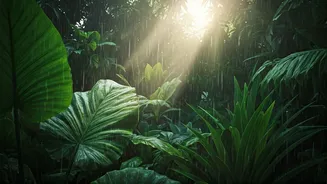
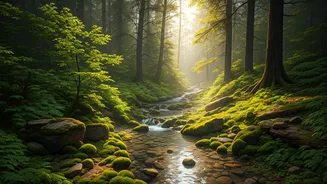
light. But a significant shift is underway. The monsoon is no longer the 'off-season'; it’s the reason for the season. A growing number of travellers are not just tolerating the rain, but actively seeking it out as the main attraction. They are chasing the mist, the smell of wet earth, and the profound quiet that only a downpour can bring. This isn't about finding a cheap deal anymore. It's about finding a specific feeling.
From Crowds to Curated Spaces
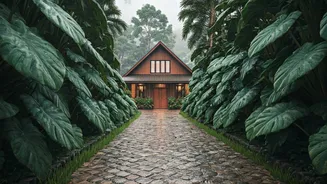
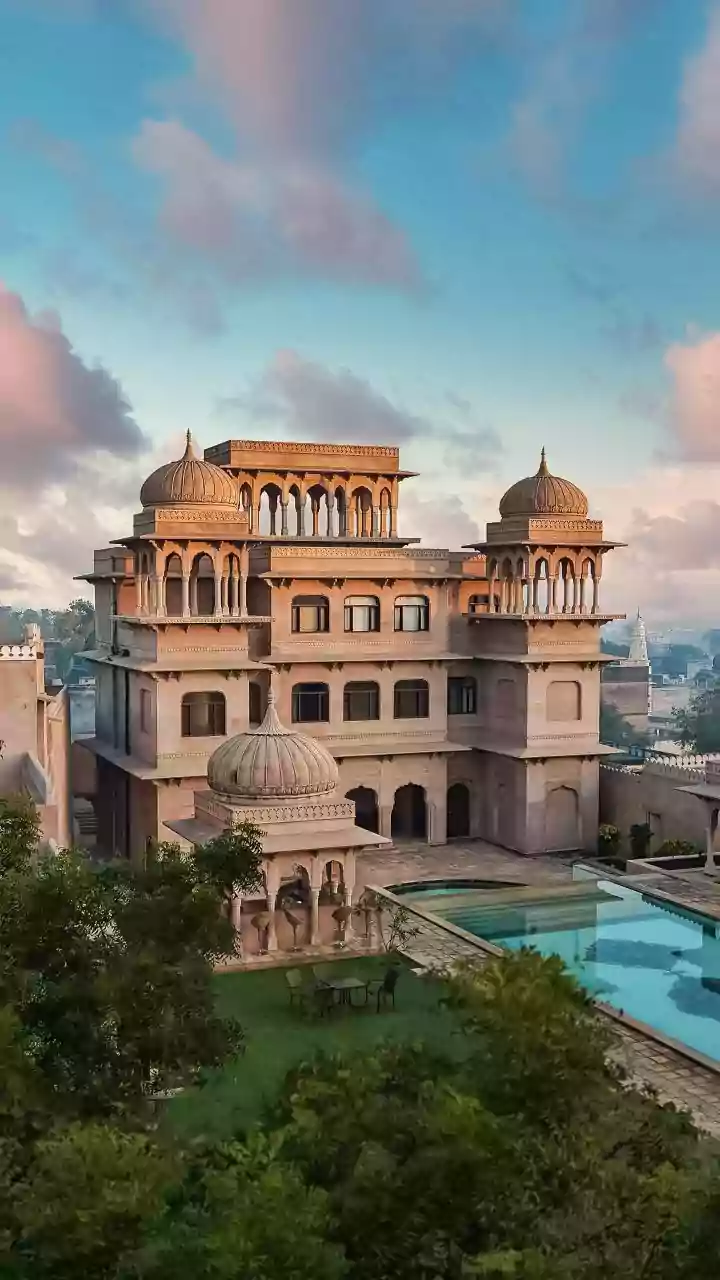
The most visible change is the move away from sprawling, anonymous hotels and crowded tourist hubs. The new monsoon traveller is looking for intimacy and isolation. This has fuelled a boom in boutique stays, homestays, and private villa rentals. Instead of a 200-room resort, they want a four-room heritage homestay in the backwaters of Kerala, a private cabin on a coffee plantation in Coorg, or a restored ancestral home in the Konkan. These spaces offer more than just a bed; they offer a curated experience. The hosts often act as local guides, the food is hyperlocal, and the atmosphere is one of a home away from home. It’s a preference for personal touch over impersonal luxury, privacy over a party.
What's Driving the Shift?
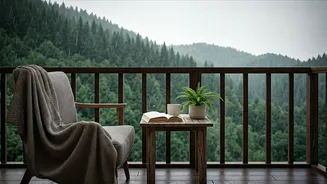
Several factors are converging to create this trend. The post-pandemic consciousness has left a lasting mark; people are more aware of overcrowding and actively seek out spaces that feel safe and secluded. The rise of remote work and the 'workation' culture has also untethered many from the office, allowing for longer, more immersive stays even during the rainy season. Social media, too, plays a complex role. While it can create over-tourism, it also shines a light on hidden gems and aesthetic, slow-living experiences. An Instagram feed filled with misty windows, a book, and a cup of tea is now more aspirational than a crowded viewpoint. It reflects a deeper yearning for mindfulness and a break from the frenetic pace of urban life.
The New Monsoon Map
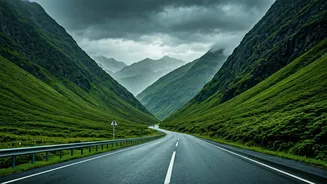
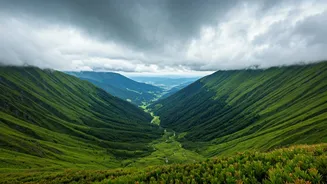
This personalisation of travel is redrawing India's monsoon map. While the classics remain popular, the focus is increasingly on hyper-local experiences within broader regions. It’s not just 'the Western Ghats', but a specific, quiet corner of the Amboli Ghats. It’s not just 'the Northeast', but a secluded village in Meghalaya known for its living root bridges, experienced without the tourist rush. Destinations like the idyllic farmlands of Punjab, the water-logged landscapes of coastal Odisha, or the lush, green expanse of Chikmagalur are finding new favour. These are places that don't offer a checklist of 'things to do' but instead provide a canvas for travellers to simply be, watch the rain, read, and reconnect with themselves.