




The Race Against Time
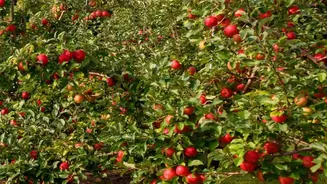
The apple is the backbone of Kashmir's rural economy, but the traditional path from orchard to market has long been fraught with peril for farmers. Historically, once the apples were picked during the peak harvest season, a frantic rush began. With limited
and often non-existent local storage options, growers were forced to sell their entire crop at once. This created a massive supply glut, causing market prices to crash. Farmers had little choice but to accept whatever low prices were offered by middlemen and commission agents who dominated the supply chain. Adding to the pressure were logistical nightmares, including poor road connectivity and transport disruptions, which could lead to significant spoilage and further financial losses before the fruit even reached distant markets. This system forced farmers into a cycle of distress sales, leaving them with a small fraction of the final value generated from their labour.
A New Link in the Chain
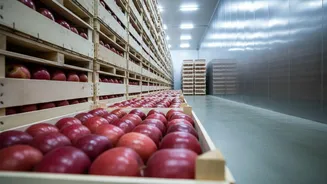
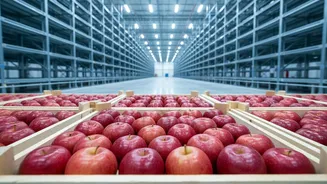
The game-changer has been the introduction of modern logistical infrastructure, most notably Controlled Atmosphere (CA) storage facilities. Unlike conventional cold storage, CA stores are sophisticated, gas-tight chambers that precisely control temperature, humidity, oxygen, and carbon dioxide levels. This engineered atmosphere dramatically slows down the ripening process, extending the shelf life of fresh apples from a few weeks to up to ten months. Alongside these advanced storage units, the supply chain is also being upgraded with modern grading and packing lines that sort fruit by size and quality, as well as refrigerated transport. This ensures the apples not only last longer but also maintain their quality, texture, and appearance, making them more attractive in competitive national markets.
From Panic Selling to Patient Profit
The impact of this modernisation is profound. Instead of being forced to sell their entire harvest in a flooded market, farmers can now move their produce into CA stores and wait. This simple ability to hold on to their stock completely shifts the power dynamic. They can bypass the peak season price crash and choose to release their apples gradually over several months, responding to market demand when prices are more favourable. Growers report that this flexibility has allowed them to avoid distress sales and significantly improve their earnings compared to the harvest season. It gives them control over pricing and enhances their bargaining power, reducing dependence on the exploitative terms once set by intermediaries.
The Ripple Effect of Stability
The benefits extend beyond individual earnings. By ensuring a steady, regulated supply of apples throughout the year, CA stores help stabilise the entire market, preventing the wild price fluctuations that once defined the industry. The improved returns are enabling growers to reinvest in their orchards, affording better quality pesticides, adopting modern farming techniques like high-density planting, and improving their overall productivity. Furthermore, agri-tech startups are entering the ecosystem, offering mobile apps that provide farmers with real-time data on weather, disease prediction, and soil health, further professionalising the sector. This combination of infrastructure and information is creating a more resilient and profitable agricultural economy.
Challenges on the Road Ahead
Despite the clear benefits, the adoption of these modern supply chain solutions is not yet universal. The high cost of using CA storage can be a barrier for small and marginal farmers, who constitute a majority in the region. Many still lack the financial resources to afford the storage fees, forcing them to sell to larger traders who then use the facilities themselves. There is a pressing need to expand this critical infrastructure, particularly in more remote fruit-growing areas, to reduce transportation costs and make it accessible to a broader base of farmers. While the modernisation of the apple supply chain is a significant step forward, ensuring its benefits are shared equitably remains a key challenge for the future of Kashmir's most vital industry.