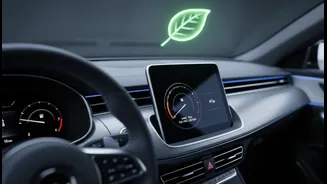







First, What Is This E20 Fuel?
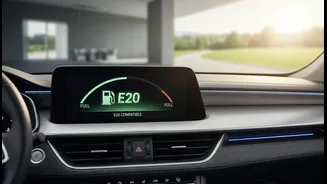
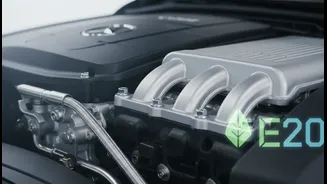
Let's break it down simply. E20 petrol is a blend of 80% regular petrol and 20% ethanol. Ethanol is a biofuel, typically made from agricultural products like sugarcane or maize. India has rolled out E20 fuel nationwide as part of a major push to reduce
dependency on imported crude oil, lower carbon emissions, and support the rural economy. This isn't just a temporary change; E20 is now the standard petrol available across the country, making vehicle compatibility a key factor for every car buyer.
Are Today's Cars Built for E20?
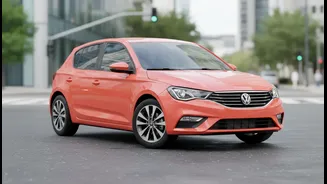
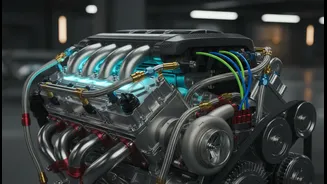
Absolutely. If you're buying a new car today, chances are it's already fully E20-compatible. Major manufacturers like Maruti Suzuki, Hyundai, Tata Motors, and Honda have been rolling out E20-ready models since 2023. These cars are not just older models with a new sticker; they feature upgraded engine components, fuel lines, and seals specifically designed to handle the properties of ethanol-blended fuel without issues. This engineering foresight is crucial because it ensures long-term durability and maintains performance, giving you peace of mind.
The Smoothness Test: How Does It Actually Drive?
This is the question every daily commuter wants answered. The headline says 'smooth,' but what does that mean on the road? Modern E20-compatible engines are calibrated to handle this fuel blend seamlessly. Ethanol actually has a higher octane rating than standard petrol, which helps prevent engine 'knocking' and can contribute to a smoother combustion process. Some drivers report that the acceleration feels responsive in these newer cars. While some users of older, non-compatible cars have reported sluggishness, new-generation vehicles are tuned by manufacturers to deliver a consistent and smooth performance, making any difference barely noticeable in city traffic or on highway runs.
What About Mileage and My Wallet?
It's the most debated aspect of E20 fuel. Because ethanol has a slightly lower energy content than petrol, a minor drop in fuel efficiency is possible. Government bodies and studies from institutions like IIT Kanpur suggest this reduction is often less than 5% for compatible vehicles, a dip that can also be influenced by driving style and road conditions. Mechanics note that they haven't seen a surge in engine damage, with the main complaint being mileage variations. For the daily office-goer, this minor drop is often balanced by the fuel's aim to be a more cost-effective and environmentally friendly option in the long run, although its price at the pump compared to pure petrol can fluctuate based on government policies.
The Verdict for the Young Commuter
For the youth navigating their daily office commute, an E20-compatible car is a smart, future-proof choice. These vehicles are specifically engineered to handle the new standard fuel, ensuring the driving experience remains smooth and reliable. You get a car that is aligned with the country's green energy goals, contributing to cleaner air. While there's a lot of noise online about performance, the reality for new, mass-market cars is that they are designed to manage E20 fuel efficiently. The focus is no longer on if you should use E20, but on choosing a modern vehicle built to make the transition feel effortless.