
Black pepper, the 'king of spices', is a staple in every Indian kitchen. But its high value makes it a target for adulteration. Simple tests you can do at home can help you spot imposters and ensure you're getting the real deal.
Why Your Pepper Might Not Be Pure
Adulteration in spices
is a widespread issue driven by profit. Because black pepper is sold by weight, some suppliers mix in cheaper materials that look similar to increase their volume and margins. The most common adulterants found in whole black pepper are dried papaya seeds, which closely resemble peppercorns in size and colour. Another issue is the addition of 'light berries'—immature or hollow peppercorns that lack the characteristic pungent flavour. Some peppercorns are even coated with mineral oil to give them an appealing, shiny finish, but this substance is not safe for consumption. These additives not only cheat you out of the flavour and health benefits you expect but can also introduce unwanted and potentially harmful substances into your food.
The Simple Water Float Test
One of the easiest and most reliable tests, recommended by the Food Safety and Standards Authority of India (FSSAI), uses a simple glass of water. Fill a clear glass with plain water and add a spoonful of your whole black peppercorns. Stir gently and wait a minute. Pure, dense black peppercorns will sink to the bottom. Adulterants like dried papaya seeds and hollow, low-quality berries are lighter and will float on the surface. If you see a significant number of 'floaters', it's a strong indicator that your pepper batch may be compromised. A few floating pieces might just be light berries, but a large amount is a definite red flag.
A Closer Look: Visual and Texture Checks
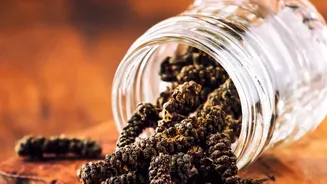
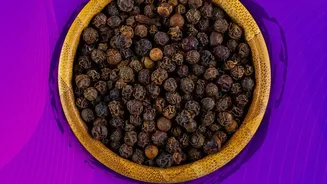
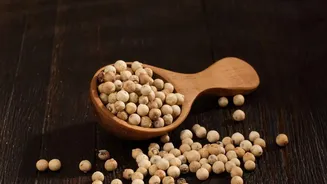
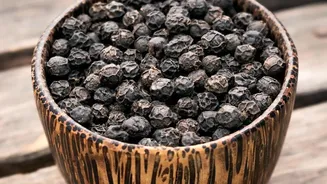
Your senses of sight and touch are powerful tools. Spread some peppercorns on a white plate. Genuine black pepper is typically a dark brown-black colour with a distinctly wrinkled, netted surface. Papaya seeds, in contrast, are often more oval-shaped and have a smoother, shrunken surface. They might also appear greenish-brown. Next, try the FSSAI-suggested press test. Take a few peppercorns and press them firmly with your thumb. A mature, good-quality peppercorn is hard and won't break easily. Adulterants like papaya seeds or poor-quality light berries will crush with little effort.
Checking for Oily Residues and Off Smells
An unnatural shine on peppercorns can be a warning sign of a mineral oil coating, which is sometimes used to improve appearance. To check for this, rub a few peppercorns vigorously in your palm or on a piece of white paper. If they leave behind a greasy sheen or an oily stain, they may have been treated. Your nose can also provide clues. Pure black pepper has a sharp, pungent, and unmistakable spicy aroma. If you take a handful and notice a faint smell of kerosene or a general lack of strong pepper fragrance, it could indicate a mineral oil coating or that the pepper is old and of poor quality.
Smart Buying Habits for Purer Spices
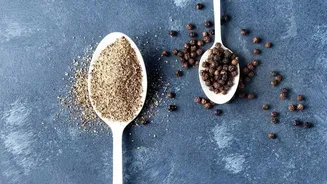
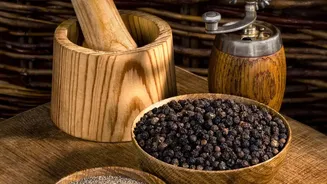
The best way to avoid adulterated pepper is to be a vigilant consumer from the start. Whenever possible, choose whole peppercorns over pre-ground powder, as powders are much easier to adulterate with fillers like sawdust. Grinding your pepper at home ensures maximum freshness and purity. When purchasing, buy from trusted, reputable brands that display an FSSAI license number and clear manufacturing details. Be wary of peppercorns that look unnaturally glossy or are being sold at a price that seems too good to be true. A uniform size, a deeply wrinkled texture, and a strong aroma are all signs of a high-quality product worth your money.