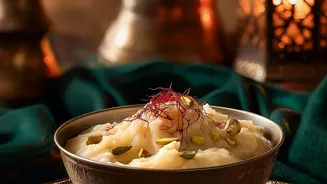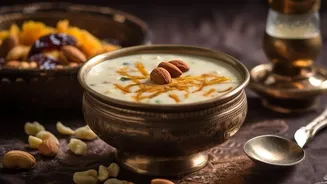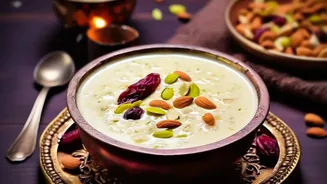




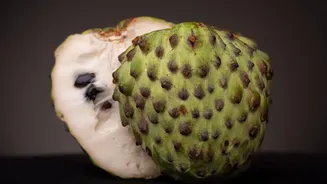

Indian desserts often celebrate tradition, but a delightful fusion is winning hearts: Sitaphal Phirni. This modern classic blends the creamy, fragrant sweetness of custard apple with the comforting texture of a beloved rice pudding.
The Timeless Allure of Phirni
Phirni is a quintessential
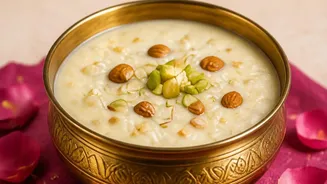
North Indian dessert, a slow-cooked pudding with roots stretching back to the Mughal era. It's distinguished from its cousin, kheer, by its core ingredient: coarsely ground rice. This rice paste is simmered in milk until the mixture thickens into a sumptuously creamy, yet slightly grainy, consistency. Traditionally flavoured with aromatic spices like cardamom and saffron, phirni is a staple at festivals and celebrations. For an authentic touch, it's often served chilled in small, unglazed clay bowls called 'shikoras'. These earthenware vessels not only add an earthy aroma but also absorb excess moisture, making the phirni even thicker and more decadent.
Celebrating the Seasonal Star: Sitaphal
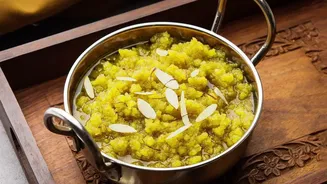
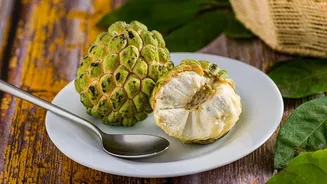
Sitaphal, or custard apple, is a seasonal treasure in India, cherished for its incredibly sweet flavour and creamy, luscious pulp. The fruit's soft, white flesh is dotted with large, black seeds that must be removed, a process many find tedious but worthwhile for the reward. Beyond just being a delicious fruit to be eaten on its own, sitaphal's unique texture and natural sweetness make it a perfect ingredient for desserts. It has found its way into everything from ice creams and milkshakes to basundi and rabri, lending its fragrant character to each creation. Rich in vitamin C, fibre, and antioxidants, it's a flavourful addition that also brings nutritional benefits.
A Match Made in Dessert Heaven
The combination of sitaphal and phirni is a stroke of culinary genius. The natural, honey-like sweetness of the fruit pulp complements the milky, rice-based pudding perfectly, often reducing the need for extra sugar. The process involves preparing a classic phirni first, letting it cool, and then gently folding in the fresh sitaphal pulp. It is crucial to add the fruit pulp only after the phirni has cooled down. Adding it to the hot mixture can risk curdling the milk and altering the dessert's signature smooth texture. The result is a richer, fruit-infused phirni where the creamy base of the pudding is elevated by the fragrant, almost tropical notes of the custard apple.
Crafting the Perfect Bowl
Making Sitaphal Phirni at home is a rewarding process. The key lies in a few simple steps. First, prepare the sitaphal pulp by scooping it out and patiently removing all the seeds. Some cooks recommend pulsing the pulp with a little milk in a blender for a few seconds and then passing it through a sieve to easily separate the seeds without grinding them. While the phirni itself is cooking, continuous stirring is essential to prevent lumps and achieve that velvety texture. Once the phirni is cooked and has cooled to room temperature, gently mix in the fresh fruit pulp and a hint of cardamom powder. For garnishing, slivered pistachios and almonds add a welcome crunch, while a few strands of saffron can provide a beautiful colour and aroma. For the best experience, the Sitaphal Phirni should be chilled for at least a few hours before serving, allowing the flavours to meld and the pudding to set properly.