





The Anatomy of a Perfect Fritter
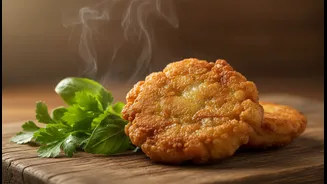
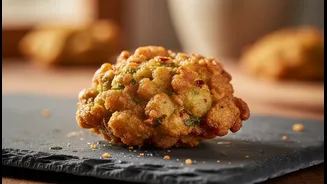
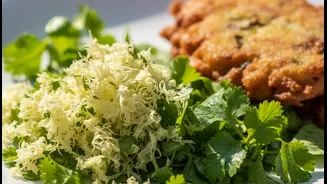
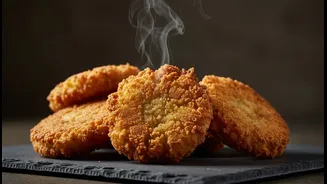
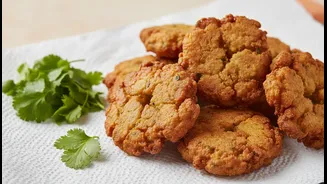
Before we diagnose the problem, let's appreciate the goal. The perfect fritter, whether it’s a potato bhaji or an onion pakora, is a marvel of texture. It boasts a shatteringly crisp, golden-brown exterior that gives way to a tender, steaming interior.
This ideal state isn't accidental; it's the result of carefully controlled physics and chemistry. The magic happens when the batter hits hot oil, typically between 175°C and 200°C. At these temperatures, two key processes occur. First, the Maillard reaction, a chemical dance between amino acids and sugars, creates hundreds of new aroma and flavour compounds, giving the fritter its characteristic savoury taste and brown colour. Simultaneously, the starches in the flour gelatinise and then rapidly dehydrate on the surface, forming a rigid, porous structure we perceive as 'crisp'.
The Enemy Within: Excess Moisture
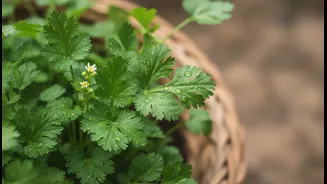
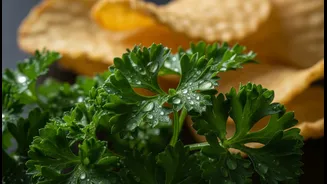
The arch-nemesis of a crispy fritter is water. While a certain amount of water is necessary within the batter to hydrate the starch, any excess water on the surface of your ingredients—especially leafy herbs like coriander—is a saboteur. When you wash herbs or vegetables, tiny droplets of water cling to their surfaces. If not dried properly, this water gets mixed into your batter. While it might seem insignificant, this surface water is about to cause chaos when it meets the blistering heat of the frying oil. The general rule is that oil and water don't mix, and in a deep fryer, this old saying has explosive consequences.
The Science of the Steam Explosion
When a droplet of water hits oil that is nearly twice its boiling point, it vaporises almost instantaneously. This phase transition from liquid to gas is incredibly violent. A single drop of water expands to about 1,600 times its original volume as it becomes steam. Now, imagine dozens of these micro-explosions happening all over the surface of your fritter. This escaping steam creates a powerful outward force that pushes against the developing crust. Instead of a solid, protective shell forming, the steam blasts through, creating vents and ruptures. It's like trying to build a solid wall while tiny explosions are constantly knocking holes in it.
From Ruptured Shell to Soggy Mess
This compromised crust is the direct cause of a soggy fritter. The tiny ruptures created by the escaping steam become superhighways for oil to penetrate deeper into the fritter. Normally, the rapid formation of a crust limits oil absorption. But when the shell is weak and full of holes, the fritter soaks up oil like a sponge. This has two disastrous effects. First, it makes the final product intensely greasy. Second, the excess oil lowers the immediate temperature around the fritter, slowing down the cooking process and preventing the interior from becoming light and fluffy. The crust never gets the chance to fully harden and dry, and as the fritter cools, internal moisture migrates back into the weakened, oil-logged shell, turning it definitively soggy.
Achieving Perfect Fritter Crisiness
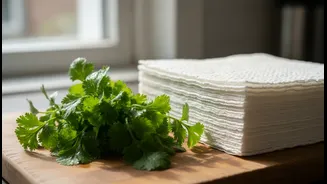
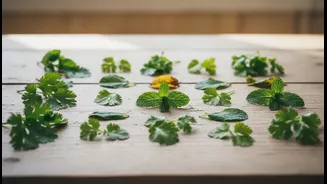
The solution is simple: eliminate excess surface water. This is a non-negotiable step for achieving crispiness. After washing coriander, mint, or spinach, pat the leaves thoroughly dry with a clean kitchen towel or paper towels. For an even better result, use a salad spinner to remove as much water as possible. If you have time, spread the herbs on a tray and let them air-dry for 15-20 minutes before chopping and adding them to your batter. Some cooks also recommend adding a tablespoon or two of rice flour to the gram flour batter; rice flour absorbs less oil and contributes to a crisper texture. By controlling the moisture, you allow the batter to form the strong, protective shield it was designed to be, ensuring a perfectly crisp and delicious fritter every single time.