






The Allure of a Rainy Assam
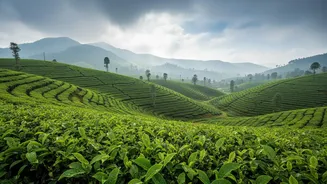
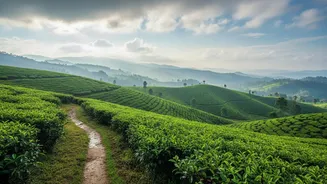
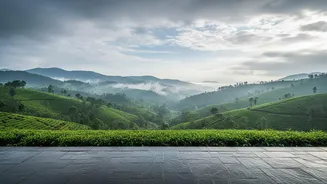
Visiting Assam during the monsoon is a choice for the poetic soul. It’s a time when the land breathes again, washed clean by persistent rains.. The tea gardens, a quintessential feature of the state, become intensely green, their leaves glistening with
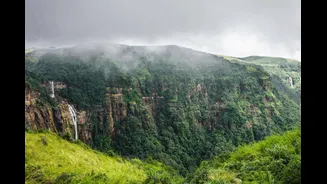
raindrops.. The air smells of damp earth, and the rhythm of life slows to match the steady patter of the rain.. This season offers a respite from the tourist crowds of the winter months, allowing for a more intimate connection with the land and its culture. The temperatures are cool and pleasant, a welcome break from the summer heat, making exploration a comfortable affair.. It is a period of rejuvenation, where waterfalls appear overnight and the entire landscape glows with an ethereal green light.
Rethinking Your Wildlife Safari
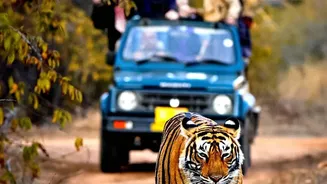
A critical point for any traveller to note is that Assam's most famous wildlife destination, Kaziranga National Park, officially closes during the monsoon. The park, known for its one-horned rhinoceroses, typically shuts down from May or June until October due to widespread flooding from the Brahmaputra River.. However, this doesn't mean wildlife viewing is impossible. Some sources suggest that fringe eco-tourism zones around the main park may still offer limited activities.. A better alternative is to visit parks that remain partially or fully open. Dibru-Saikhowa National Park, a biosphere reserve, is open year-round and its wetlands come alive in the monsoon, making it ideal for boat safaris.. Similarly, Pobitora Wildlife Sanctuary, with its dense rhino population, can offer a thrilling safari adventure enhanced by the drama of the monsoon.
Destinations That Flourish in the Rain
Instead of the flood-prone plains, the monsoon is the perfect time to explore Assam’s highlands and historic towns. Haflong, the state's only hill station, is at its absolute best, with clouds drifting through valleys and misty hills covered in orchids.. The train journey to Haflong itself is a memorable experience, passing through numerous tunnels on a scenic route.. Other excellent monsoon destinations include Tezpur, a historic city on the banks of the Brahmaputra, where ancient ruins and temples take on a mystical quality.. Sivasagar, the former capital of the Ahom kingdom, also becomes more picturesque, with its rain-washed monuments and rejuvenated lakes providing a serene backdrop for historical exploration..
The Mighty Brahmaputra and Majuli Island
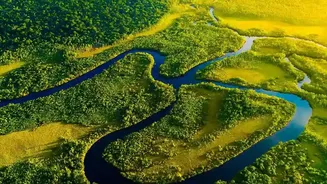
The Brahmaputra River, the lifeline of Assam, is a powerful and majestic sight during the monsoon, swelling to an incredible width.. While most multi-day cruises are suspended from May to September due to the dangerous currents and flooding, day ferries and smaller boats often continue to operate, offering spectacular views from cities like Guwahati.. This brings us to Majuli, the world's largest river island.. Visiting Majuli during the monsoon is a double-edged sword. The island becomes a stunning green paradise, perfect for experiencing the local culture.. However, it is extremely vulnerable to flooding, and ferry services can be unpredictable and frequently suspended, making travel risky.. Travellers must remain informed and flexible if attempting a visit during this time.
A Practical Guide for the Monsoon Traveller
Travelling in Assam during the monsoon requires careful planning. Flooding and landslides can cause travel disruptions, so it's wise to build extra days into your itinerary.. When packing, waterproof gear is non-negotiable. Include a good raincoat, waterproof shoes, and quick-drying clothes.. An insect repellent is also essential, as the damp conditions are ideal for bugs and leeches, especially on treks.. While road travel is possible, be aware that conditions can be challenging; hiring a reliable driver or opting for train travel might be a safer bet in some areas.. Finally, book your accommodation in advance, especially in popular monsoon spots like Haflong, and always check the latest weather and road updates from local sources before setting out.