






The Gardener's Monsoon Dilemma
Every plant lover in India welcomes the relief of the first rains. But as the season progresses, the joy can turn to worry. The same rain that nourishes can become destructive in the confined space of a balcony. Heavy, driving rain directly hammers potted
plants, leading to a host of problems that can quickly undo months of tender care. The primary issue is overwatering. Unlike plants in the ground, potted plants have limited drainage. When soil becomes completely saturated, oxygen cannot reach the roots, essentially causing the plant to drown. This waterlogged environment is the perfect breeding ground for root rot, a fungal disease that can be fatal.
More Than Just Too Much Water
The damage isn't limited to the roots. The sheer force of heavy rainfall can physically harm your plants, tearing delicate leaves, breaking tender stems, and knocking off flowers and buds before they have a chance to bloom. Furthermore, the constant deluge leaches essential nutrients from the soil. You might notice your potting mix level dropping as soil gets washed out of the pot with every downpour. This nutrient loss leaves plants weak and vulnerable. The persistent dampness on foliage and soil surfaces also creates an ideal environment for pests like slugs and snails, as well as fungal infections such as powdery mildew.
The Simple Solution: Vertical Water Deflectors
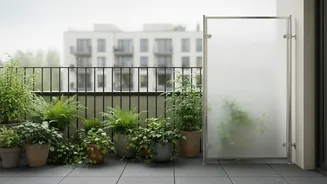
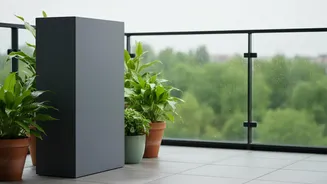
This is where a vertical water deflector becomes an indispensable tool. The term might sound technical, but the concept is simple: it's any vertical barrier placed between your plants and the incoming rain. It’s not about blocking the rain completely, but rather about breaking its force and redirecting the flow. Instead of a direct, high-impact assault, the water hits the deflector first and then trickles down gently onto the plants or away from the pots altogether. This simple intervention mitigates the most severe effects of a heavy monsoon downpour, allowing you to control the amount of water your plants receive without moving them indoors every time it rains.
Key Benefits for Your Balcony Garden
Implementing a rain shield offers several crucial advantages. First and foremost, it prevents overwatering and root rot by controlling the volume of water entering the pot. Your plant's roots are saved from sitting in stagnant water, which is the number one killer of potted plants during the rainy season. Secondly, it protects the soil itself. By softening the impact of raindrops, a deflector prevents the soil from compacting and stops valuable nutrients from being washed away. This ensures your plants remain well-fed and healthy. Finally, it acts as a physical shield, preserving your plant's delicate foliage and flowers from the battering force of the rain, ensuring your balcony remains beautiful and vibrant.
Choosing and Using Your Deflector
A vertical water deflector doesn't have to be a complicated or expensive purchase. Many gardeners create effective DIY solutions. A transparent acrylic or PVC sheet, secured to the balcony railing, works wonderfully as it shields from rain without blocking precious sunlight. Even a tightly-strung piece of durable garden netting or a bamboo screen can effectively break the momentum of heavy raindrops. Some people fashion temporary covers from plastic trays or tarps for particularly intense storms. The key is placement. Position the deflector on the side of your balcony that receives the most wind and rain. Ensure it is securely fastened to withstand strong gusts. For plants on the floor, raising them on bricks or small stands can also improve drainage and airflow, complementing the work of the deflector.