




1. What is an Orbital AI Satellite?
Think of it as a smart satellite. Traditionally, satellites are like giant cameras in the sky; they capture massive amounts of raw data—images, sensor readings—and beam it all back to Earth for analysis. This creates a huge bottleneck, as downloading
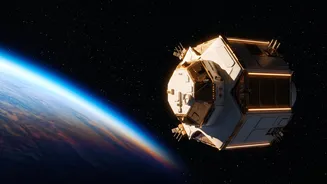
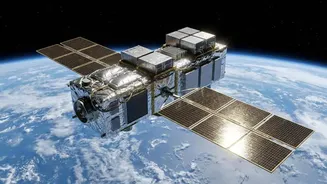
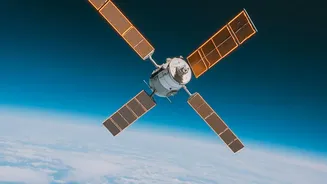
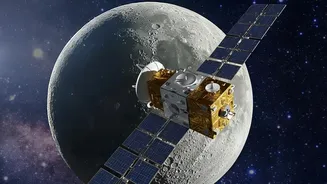
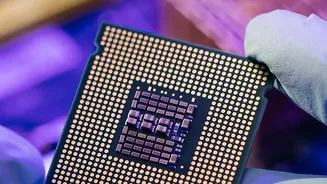
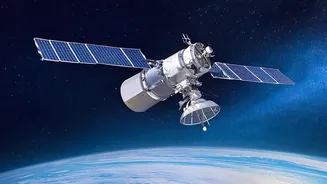
terabytes of data is slow and expensive. An orbital AI satellite, also known as an edge computing satellite, changes the game. Instead of sending everything down, it has powerful onboard processors, like Nvidia's Orin NX chips, that use artificial intelligence to analyze data right there in space. For example, it can sift through thousands of images, identify only the relevant information—like the start of a wildfire or signs of illegal mining—and send back just the result. Hyderabad-based startup TakeMe2Space is launching India's first such satellite, MOI-1A, on October 1, which will allow customers to upload their own AI models to run in orbit.
2. Why Process Data in Space Anyway?
The simple answer is speed. Transmitting vast datasets from a satellite moving at thousands of kilometres per hour to a ground station is a major challenge. This delay, or latency, can be hours long. For time-sensitive events like natural disasters, military surveillance, or monitoring fast-moving weather systems, that delay can render the information useless. On-orbit computing solves this by cutting out the middleman. By analysing data at the source, the satellite can send down actionable alerts in near real-time. This dramatically reduces the volume of data that needs to be transmitted, saving precious bandwidth and cost. Instead of downloading a massive, cloud-covered image of a coastline, the satellite can process it onboard, determine there is nothing to see, and discard it, freeing up the network for useful data.
3. What are the Real-World Benefits for India?
The applications are vast and transformative. For agriculture, an AI satellite can monitor crop health across millions of acres, identifying areas needing water or fertiliser and sending alerts to farmers. In disaster management, it can spot the initial signs of a flood or cyclone and provide real-time updates to emergency services, much faster than traditional methods. From a national security perspective, the benefits are even clearer. ISRO has already announced plans to build a fleet of AI-powered surveillance satellites to enhance border monitoring. These smart satellites could interact with each other, with a high-altitude satellite tasking a lower-orbit one to get a closer look at a point of interest, providing a significant strategic advantage. Commercial clients in mining, insurance, and supply chain management have also signed on, hoping to gain a competitive edge with faster insights.
4. What are the Biggest Challenges Involved?
Putting a data centre, even a small one, into orbit is incredibly difficult. Space is a hostile environment, with extreme temperature fluctuations and constant radiation that can damage sensitive electronics. Processors used in space must be 'radiation-hardened,' which makes them much slower and more expensive than their commercial counterparts on Earth. Power is another major constraint; a satellite only has what its solar panels can generate, and AI processing is energy-intensive. There are also software challenges. It's difficult to train AI models on Earth with data that perfectly represents what a satellite will see from orbit. Furthermore, updating or fixing a bug in the software becomes a complex remote operation, as there is no 'IT guy' in space to perform a manual reset.
5. What Does This Mean for India's Future in Space?
The launch of an orbital computing satellite by an Indian startup marks a pivotal moment. While ISRO has its own ambitious plans for AI in space, the private sector's agility is helping to accelerate this new frontier. This move positions India as a key player in the next phase of the space economy, which is less about just launching rockets and more about the data services provided from orbit. TakeMe2Space already has plans for larger, networked satellites and even envisions offering in-orbit data storage as a secure backup for financial and defence clients. This aligns with ISRO's long-term vision of creating interconnected satellite layers that work together intelligently. It signals a future where space is not just a place to observe from, but an active part of our global computing infrastructure.