
Choose Your Monsoon Trek Wisely
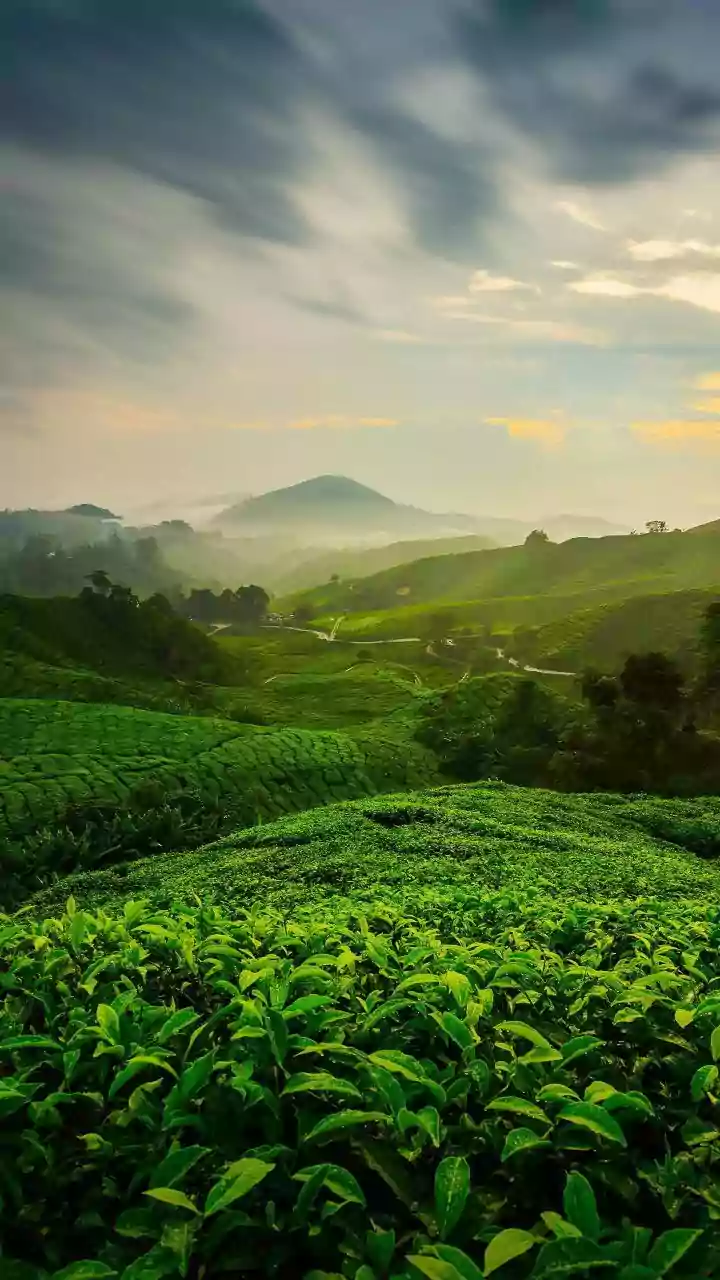
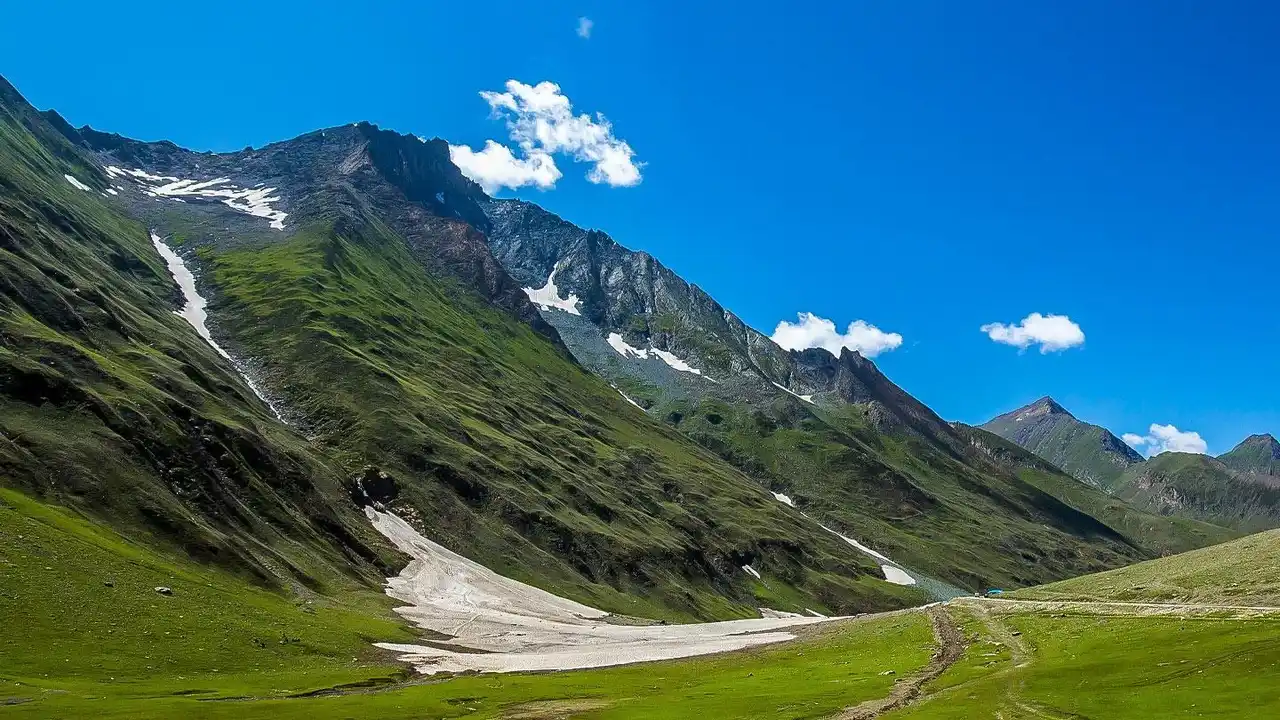
August is peak monsoon in the Himalayas, a time of lush greenery, thundering waterfalls, and significant challenges like slippery trails and potential landslides. Not all treks are safe or suitable. For a long weekend, focus on accessible, lower-risk
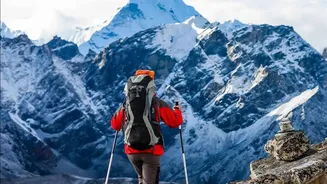
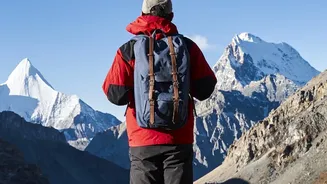
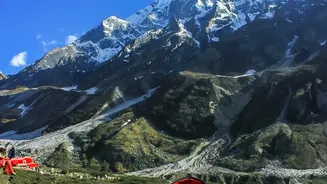
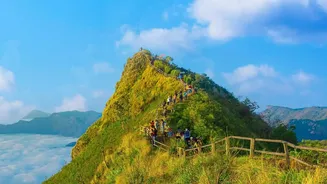
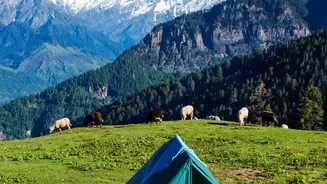
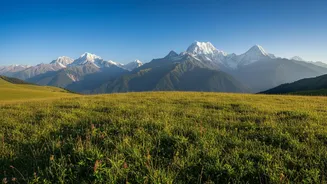
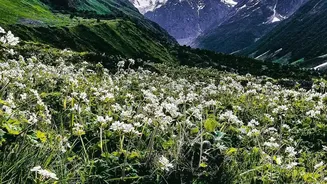
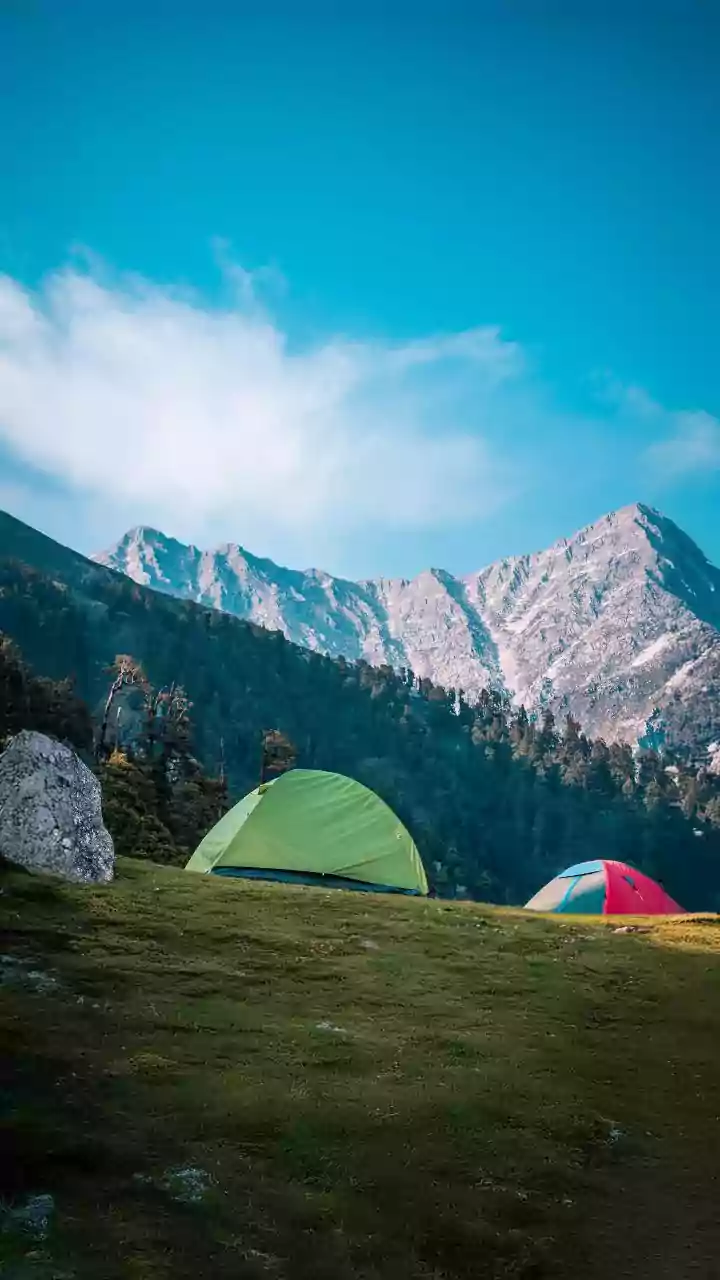
trails. The Nag Tibba trek, near Mussoorie, is an excellent choice for beginners and can be completed over a weekend. It offers stunning views of Himalayan peaks like Swargarohini and Bandarpoonch without extreme altitude gain. Another spectacular option is the Valley of Flowers, which is in full, vibrant bloom during August. This UNESCO World Heritage site is a moderate trek, but its beauty during the monsoon is unparalleled. Treks like Dayara Bugyal and Chopta-Tungnath are also popular, known for their vast, green meadows, though they may require more time and caution.
The Golden Rule: Acclimatise Properly
High altitude is no joke. Anyone ascending above 2,500 metres (around 8,000 feet) can be at risk for Acute Mountain Sickness (AMS). The key to prevention is gradual ascent, allowing your body to adapt to the lower oxygen levels. A crucial rule for trekkers is to not increase your sleeping altitude by more than 1,000 feet per night once you are above 10,000 feet. Plan your itinerary to include a rest day for acclimatisation before ascending further. Hydration is also critical; drink plenty of water throughout your journey. Physical exertion should be limited for the first 24 hours at a new altitude to give your body a chance to adjust. Rushing to the summit is a recipe for trouble.
Recognise and Respond to Altitude Sickness
It is vital to know the symptoms of AMS, which often resemble an alcohol hangover. The main symptom is a headache, which can be accompanied by nausea, dizziness, fatigue, loss of appetite, and difficulty sleeping. These symptoms usually appear within a few hours of reaching a new altitude. If you or someone in your group starts showing mild symptoms, the first step is to stop ascending and rest. Do not go any higher. If the symptoms are severe or worsen, immediate descent is the only cure. Descending by even a few hundred metres can bring significant relief. Ignoring AMS can lead to life-threatening conditions like High-Altitude Cerebral Edema (HACE) or High-Altitude Pulmonary Edema (HAPE).
Pack for Rain, Mud, and Leeches
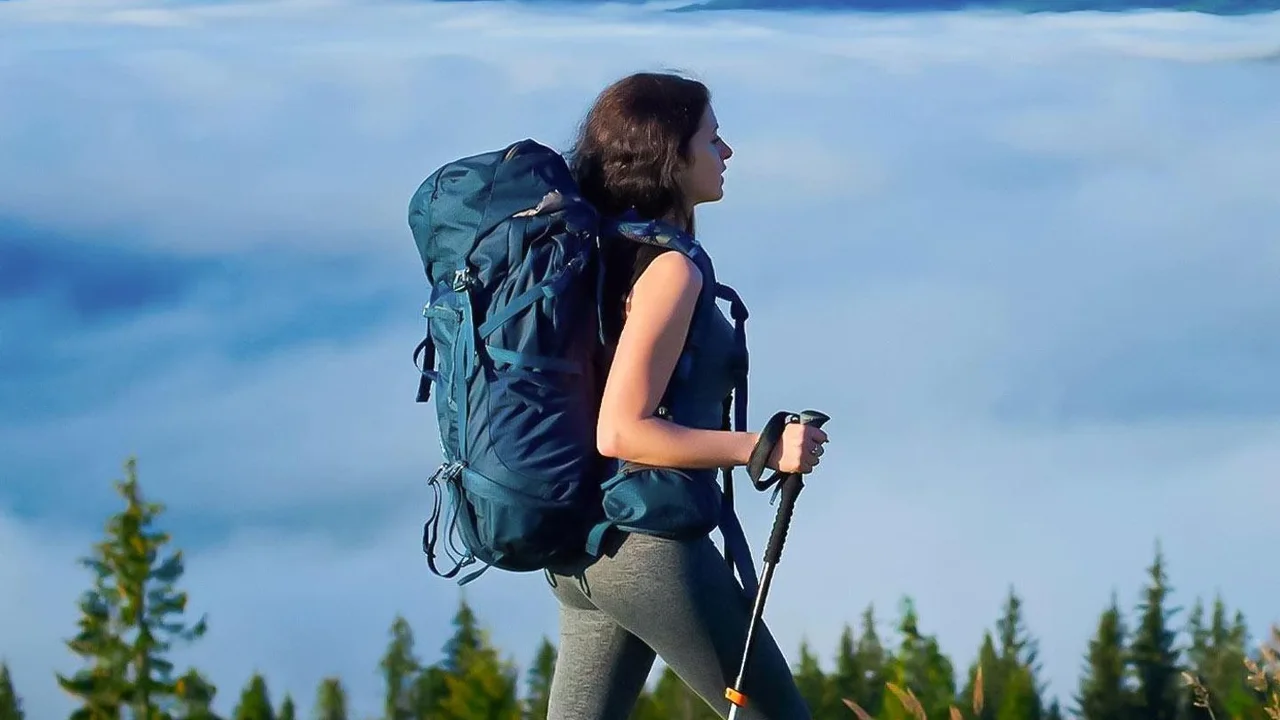
Packing for a monsoon trek is about staying dry and safe. Your backpack must have a waterproof cover. Opt for quick-dry synthetic clothing and avoid cotton, which gets heavy and cold when wet. A durable poncho or a waterproof jacket and pants are non-negotiable. Your footwear should be waterproof trekking shoes with excellent grip for slippery, muddy trails. Carry multiple pairs of moisture-wicking socks to prevent blisters. Due to the high humidity in forested sections, leeches can be common. Carry leech socks or apply salt or insect repellent as a deterrent. A headlamp is essential as it can get dark early, and a basic first-aid kit with medications for common ailments is a must.
On-the-Ground Safety and Etiquette
The mountains in monsoon demand respect. Always check weather forecasts and road conditions before you leave and stay updated on local advisories. Landslides are a real risk, so avoid travelling at night on mountain roads. When trekking, stick to the designated trail and preferably go with an experienced guide or a reputable trekking company, especially if you are a beginner. Inform someone about your itinerary and expected return time. Finally, practice responsible tourism by following Leave No Trace principles—pack out everything you pack in and dispose of waste properly to preserve the pristine beauty of the Himalayas for everyone.