





The Science of Thawing: A Bacterial Playground
Freezing doesn't kill bacteria; it simply puts them in a dormant state. As food thaws and its temperature rises, these microbes wake up and can begin to multiply rapidly. The main concern is the "Danger Zone," a temperature range between 40°F (about 4°C)
and 140°F (about 60°C). In this zone, the number of harmful bacteria on food can double in as little as 20 minutes. Careless thawing, like leaving food on the kitchen counter, allows the outer layers to enter this danger zone while the inside is still frozen, creating a perfect breeding ground for microbes that can cause foodborne illness.
The Golden Rule: Thawing in the Refrigerator
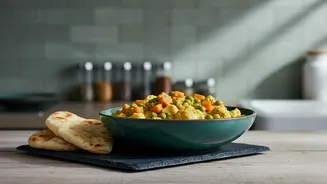
The safest way to thaw any perishable food is in the refrigerator. This method keeps the food at a consistent, safe temperature, below 40°F (4°C), preventing it from ever entering the bacterial danger zone. According to food safety experts, any food that has been safely thawed in the refrigerator can be refrozen without being cooked first. This applies to raw meat, poultry, seafood, and even cooked leftovers. So, if your dinner plans for that chicken curry change, as long as it thawed in the fridge and hasn't been in there for more than a day or two, you can safely pop it back into the freezer.
When Refreezing Is Absolutely Unsafe
Never refreeze food that has been thawed on the counter or in hot water. Any perishable food left out at room temperature for more than two hours should not be refrozen. This window shortens to just one hour if the ambient temperature is high, such as above 90°F (32°C), a common scenario in many parts of India. This rule is critical because even if you cook the food later, some bacteria produce heat-stable toxins that won't be destroyed by cooking and can still make you sick. The motto to live by is simple: when in doubt, throw it out. Risking a serious illness is never worth saving a small amount of food.
The Cook-Then-Freeze Solution
What if you thawed food using a method other than the fridge, like in cold water or the microwave? Food safety guidelines state that food thawed this way must be cooked immediately. However, once cooked thoroughly to a safe internal temperature, it is perfectly safe to freeze the cooked dish. For example, if you thawed minced meat in the microwave, you cannot refreeze it raw. But you can cook it into a keema masala, cool it properly, and then freeze the cooked dish for a future meal. This is because the cooking process destroys the bacteria that may have multiplied during thawing.
Quality vs. Safety: The Downside of Refreezing
Even when it's perfectly safe, refreezing takes a toll on the quality of your food. When food freezes, the water inside it forms ice crystals. These crystals can rupture the cell walls of the food. When you thaw it, moisture escapes, which can lead to a drier texture in meats and a mushy consistency in vegetables and fruits. Each time you refreeze, this process repeats, further degrading the texture and flavour. While the food remains safe to eat if handled correctly, it might not be as enjoyable. For this reason, it's generally recommended to refreeze food only once.
Smart Freezing for Better Food Safety
The best way to avoid the refreezing dilemma is to plan ahead. When you buy meat, poultry, or other freezable items in large quantities, divide them into smaller, meal-sized portions before freezing them the first time. This way, you only need to thaw what you intend to use for a single meal, eliminating waste and food safety risks. Label everything with the date and contents so you can keep track of what's in your freezer. This simple habit not only makes meal prep easier but also ensures you're always handling your food in the safest way possible.