








The New Automated Assistant
For fresh graduates, the job search can feel like a full-time role in itself. Crafting the perfect resume, writing tailored cover letters, and preparing for interviews is a daunting cycle. Artificial Intelligence (AI) has stepped in to streamline this
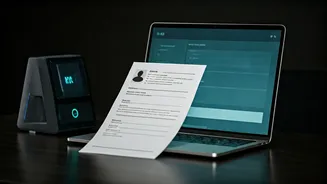
process. A new generation of AI-powered platforms is designed to handle the heavy lifting, acting as a personal career coach. Tools like ResumeAIPlus, ResumeGyani, and JobTatkal are built specifically for the Indian job market, offering services from resume creation to automated job applications. These platforms use AI to parse job descriptions, suggest relevant keywords, and format resumes to pass through Applicant Tracking Systems (ATS)—the automated filters used by a vast majority of large companies to screen candidates. In minutes, a graduate can generate a polished, keyword-optimized resume that might have otherwise taken hours.
Beyond the Resume
The influence of AI extends far beyond just writing resumes and cover letters. Some platforms function like a Customer Relationship Management (CRM) system for your job search, helping track applications, manage follow-ups, and even optimize LinkedIn profiles for better visibility to recruiters. For instance, tools can automatically apply to dozens of relevant positions on your behalf, personalizing outreach to recruiters along the way. Another significant area of change is interview preparation. AI-driven platforms like Interviewer.AI can simulate realistic interviews, providing feedback on everything from the substance of your answers to your tone of voice and body language. With some reports indicating that over 90% of Indian professionals plan to use AI in their job search, these tools are quickly moving from a novelty to a necessity.
The Recruiter's Perspective
While graduates are adopting AI to get ahead, companies are using it to manage the sheer volume of applications. In India, the number of applicants per open role has more than doubled since 2022. Recruiters are turning to AI not just to experiment, but as essential infrastructure to sift through the noise. AI helps them screen resumes, conduct initial skill tests, and even handle early-stage interviews. Many recruiters believe these tools help them find qualified candidates they might have otherwise missed and reduce unconscious bias by focusing on objective skills. However, they also face a new challenge: a surge in AI-generated applications that can make it difficult to distinguish genuine candidates from low-quality ones. This has led to an 'arms race' where graduates use AI to beat the company's AI filters.
The Risks and How to Use AI Wisely
Despite the advantages, relying too heavily on AI carries significant risks. The biggest danger is a loss of authenticity. If everyone uses the same tools, applications can start to sound robotic and generic, failing to capture a candidate's unique personality and experience. Furthermore, AI algorithms are only as good as the data they are trained on and can perpetuate existing biases if not carefully managed. Recruiters are also deploying AI-detection tools to spot overly automated applications. The key is to use AI as an assistant, not a replacement for personal effort. Graduates should treat AI-generated text as a first draft. It's crucial to personalize every resume and cover letter, inject your own voice, verify all facts, and ensure your achievements are accurately represented. The goal is to combine the efficiency of AI with the irreplaceable value of human insight and authenticity.