





Your Vehicle: The Star of the Show
Before any great road trip, your car deserves a thorough check-up. After all, it’s carrying you to your destination. Start with the absolute essentials. Check your tire pressure, including the spare, and inspect the tread. [9, 13] An easy way to check tread is
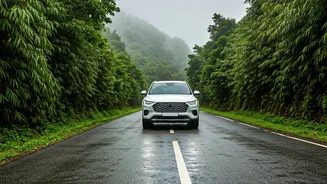
to place a coin in the groove; if you can see all of the top of the head, it's time for new tires. [9] Next, look at your fluids. This includes engine oil, coolant, brake fluid, and windshield washer fluid. [7, 9] If an oil change is due soon, it’s best to get it done before you log thousands of kilometres. [7] Also, test your battery, especially if it’s more than three years old, and ensure all your lights—headlights, brake lights, and turn signals—are working properly. [9, 18] A quick visit to a mechanic for a once-over on the brakes and belts can provide invaluable peace of mind. [2, 3]
The Route: Plan Your Path, But Welcome Detours
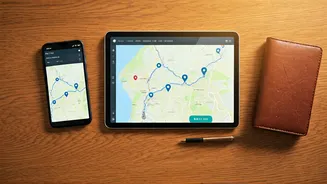
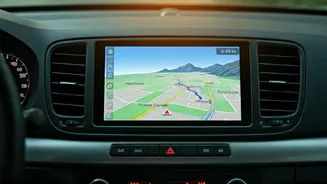
A great road trip balances a planned route with the freedom for spontaneity. Use apps like Google Maps or Wanderlog to map out your primary route, estimate driving times, and even find interesting stops along the way. [5, 6] Google Maps allows you to download maps for offline use, which is a lifesaver in areas with spotty mobile coverage. [5] While planning your main stops and booking accommodation for peak destinations is wise, leave some room in your schedule. The magic of a road trip often lies in the unexpected roadside attractions, the scenic overlooks not on the main map, or the local restaurant you stumble upon. Always let someone know your general route and expected timeline before you leave. [14]
The Budget: Account for Fuel, Food, and Fun
A clear budget prevents financial stress on the road. The main expenses will be fuel, lodging, and food. [11] Use an app like GasBuddy to estimate fuel costs and find cheaper gas stations along your route. [11, 15] Food costs can add up quickly if you eat out for every meal. [17] Consider packing a cooler with drinks, snacks, and ingredients for simple meals. [17, 21] This not only saves money but also time. When creating your budget, factor in planned activities like park entrance fees or museum tickets, and always set aside an emergency fund for unexpected costs, whether it's a vehicle repair or a must-have souvenir. [11, 16] Using a combination of cash and reward-based credit cards can help you manage spending and earn benefits. [17]
The Packing List: Beyond Just Clothes
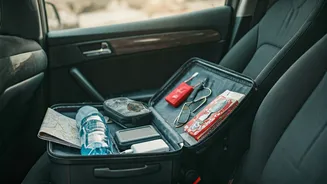
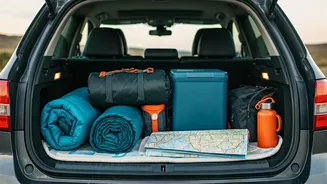
Smart packing is an art form. Beyond your clothing, focus on three key areas: safety, comfort, and convenience. Every car should have a roadside emergency kit containing jumper cables, a flashlight, basic tools, and a first-aid kit. [9, 13, 22] For comfort, think about items that make long hours in the car more pleasant, like a neck pillow, a cozy blanket, and a pre-downloaded playlist of music or podcasts. [20, 22] For convenience, pack a car charger or portable battery pack, reusable water bottles, hand sanitiser, and some trash bags to keep your space tidy. [21] Don't forget essential documents like your license, vehicle registration, and insurance information. [1, 22]
On the Road: Staying Safe and Sane
Once you're on your way, safety remains paramount. Drowsy driving is a serious risk, so plan to take breaks every few hours to stretch and refresh. [8, 12] If you're driving with others, rotate drivers. [8] Avoid driving for excessively long periods, especially at night. [1] It’s also wise to keep your gas tank at least a quarter full to avoid getting stranded, particularly in rural areas. [4, 13] While it’s tempting to share your journey in real-time, consider waiting to post photos until after you've left a location to protect your privacy and home security. [4] Ultimately, remember to enjoy the drive itself. A road trip is as much about the journey as it is about the destination.