






The 'Self-Transfer' Explained
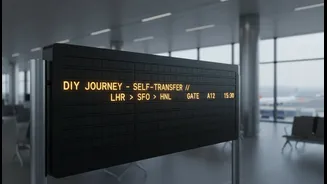
That bargain fare you're looking at is likely a 'self-transfer' or 'unprotected connection.' Instead of one seamless journey on a single ticket, you're buying two or more separate flights that a booking site has stitched together. These are often on different
airlines that don't have partnership agreements. While this can unlock significant savings, it means the airlines treat each leg as an independent journey. The responsibility for making the connection shifts entirely from the airline to you.
The Immigration and Visa Hurdle
On a normal layover, you stay in the international transit area. With a self-transfer, you often have to officially enter the country of your layover. This means going through passport control and immigration. The biggest risk here is the visa requirement. Depending on your nationality and the layover country, you may need a pre-arranged transit visa just to collect your bags and check in for your next flight. Without it, you could be denied boarding on your first flight or refused entry upon arrival, ending your trip right there.
The Baggage Reclaim Marathon
Because the airlines aren't cooperating, your checked luggage will not be automatically transferred to your next flight. After you clear immigration, you must head to the baggage carousel, wait for your suitcase, and collect it yourself. You then have to take your luggage to the departures area, find the check-in desk for your second airline, and check your bag in all over again. This single step can add a significant amount of time and stress to your layover, especially at large, unfamiliar airports.
Back Through the Security Line
Once your bag is rechecked, you're not done. You now have to go through the entire airport security screening process again to get back to the departures area and find your next gate. This means another queue for you and your carry-on luggage. What you thought was a simple layover has now become a full-blown arrival and departure process packed into a few short hours, with all the associated lines and potential delays.
The High-Stakes Gamble of Delays
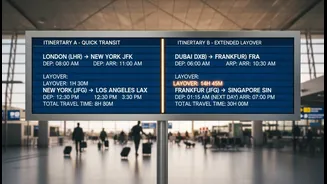
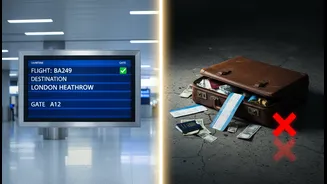
The single greatest risk of a self-transfer is a delay on your first flight. If you miss your second flight, the second airline has no obligation to help you. Since your flights are on separate tickets, you are considered a 'no-show,' and your ticket will likely be canceled without a refund. You would then be responsible for buying a new, last-minute ticket to your final destination, which is often extremely expensive and can wipe out any initial savings.
How to Spot and Handle These Flights
Many booking sites like Skyscanner and Kayak will flag these itineraries with terms like 'self-transfer' or 'hacker fare'. If you decide the savings are worth the risk, there are ways to manage it. First, leave a massive time buffer—at least four to six hours is recommended for international self-transfers. The absolute best way to make it safer is to travel with only a carry-on bag, which eliminates the need to go through immigration and baggage claim in many cases. Finally, always check the visa requirements for your layover country based on your passport before booking anything.