


The Three-Step Breading Process
Before exploring the different coatings, it is essential to understand the basic technique that ensures they stick. Most successful crispy coatings rely on a three-step process. First, the shaped cutlet is lightly dredged in a dry flour, like all-purpose
flour (maida) or cornflour, which helps the next layer adhere. Second, it is dipped into a wet mixture, often a thin slurry of cornflour and water, or sometimes a beaten egg. This acts as the 'glue'. The final step is to press the cutlet into the chosen outer coating, ensuring it is evenly covered before frying. Chilling the coated cutlets for even 10-15 minutes can also help the coating set firmly.
The All-Rounder: Breadcrumbs
Breadcrumbs are the most common and reliable coating for a reason. They provide a consistently golden and crunchy exterior. For an even crispier texture, many cooks prefer Japanese-style Panko breadcrumbs, which are lighter and absorb less oil, resulting in an airier crunch. You can use regular dried breadcrumbs, which give a classic, slightly denser crust. Whether you are pan-frying, deep-frying, or even air-frying, breadcrumbs deliver a familiar and satisfying texture that works with any vegetable filling.
The Traditional Crunch: Semolina (Sooji/Rava)
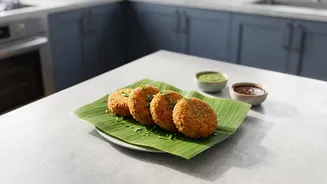
A staple in many Indian households, coarse semolina (sooji or rava) is a fantastic alternative to breadcrumbs. It provides a distinct, sandy, and gritty crunch that is wonderfully satisfying. Often used by street-food vendors, a sooji coating turns a beautiful golden-brown and offers a slightly nutty flavour. For best results, use a standard flour-and-slurry dip before pressing the cutlet into a plate of dry sooji, ensuring an even coat. This method is particularly popular for cutlets that have a softer filling, as the firm crust provides a great contrast.
The Unique Spike: Crushed Vermicelli (Seviyan)
For a visually stunning and incredibly crispy cutlet, look no further than vermicelli. Crushing thin, roasted or unroasted vermicelli (seviyan) creates a spiky, nest-like coating that becomes exceptionally crunchy when fried. After dipping the cutlet in a binding slurry, roll it firmly in the crushed noodles. The resulting texture is not just crunchy but also unique and impressive, making it an excellent choice for parties. The fine strands create a delicate yet robust crust that holds its crunch well.
The Flaky Alternative: Beaten Rice (Poha)
Powdered or coarsely crushed flattened rice flakes (poha) are another excellent gluten-free option for coating cutlets. When used as an outer layer, poha provides a light, delicate, and flaky crispness. You can grind thick poha into a coarse powder and use it just as you would breadcrumbs. Poha is also a great binder to add directly into the cutlet mixture itself to absorb excess moisture and ensure the patties hold their shape. This dual use makes it a versatile pantry staple for any cutlet enthusiast.
Modern Pantry Twists: Oats and Cornflakes
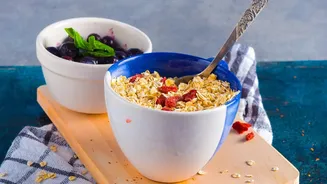
For those looking to experiment, the pantry offers more creative solutions. Rolled oats, when pulsed briefly in a grinder, can create a wholesome, textured coating. Similarly, crushed, plain cornflakes are a well-known secret for an extra-rugged and super-crispy finish. Both options add their own subtle flavour and a significant amount of crunch. You can even use crushed, salted potato chips for a surprisingly flavourful and crisp exterior. These alternatives prove that the perfect coating might just be waiting in your breakfast cereal aisle.