






The End of the Binge-and-Repent Cycle
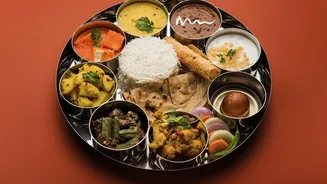
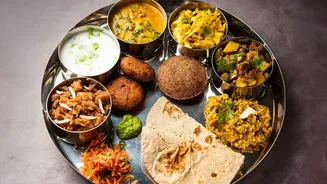
For generations, festive seasons in India have been synonymous with unrestrained indulgence. Platters of ghee-laden sweets, deep-fried savouries, and rich curries are central to celebrations like Diwali, Eid, and Durga Puja. This culinary abandon, however,
often comes with a side of guilt, leading to a punishing cycle of overeating followed by extreme dieting. But a growing wellness consciousness is rewriting this script. Nutritionists and dietitians are observing a clear move away from this binary thinking. The new philosophy isn't about restriction; it's about moderation and enjoyment. The consensus is that classifying foods as inherently 'good' or 'bad' creates an unhealthy relationship with eating. Instead, the focus is shifting towards an overall balanced lifestyle, where occasional indulgences are a normal, guilt-free part of celebrating. This change is driven by the understanding that long-term health is not determined by a few days of feasting, but by consistent habits throughout the year.
Mindful Indulgence in Practice
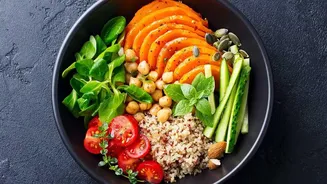
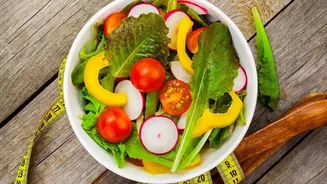
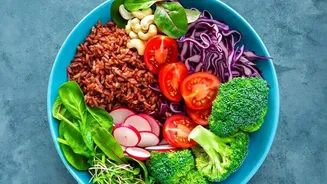
So, what does this balanced approach look like on the dining table? It's less about avoiding favourites and more about making conscious choices. One of the most popular strategies is mindful eating: paying full attention to the flavours, textures, and aromas of food, which enhances satisfaction and helps prevent overeating. Portion control is another key pillar. Experts suggest using smaller plates, filling half with vegetables or salad, and dedicating the other half to proteins and grains. This simple 'plate rule' allows for a taste of everything without overwhelming the digestive system. Another practical tip is to plan ahead. Having a light, nutritious snack before a party can curb intense hunger, making it easier to make thoughtful choices when faced with a lavish spread. Staying hydrated by drinking plenty of water also helps, as thirst is often mistaken for hunger.
Smart Swaps Without Sacrificing Flavour
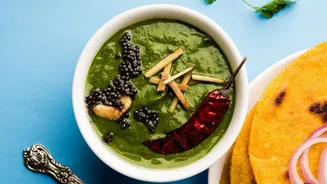
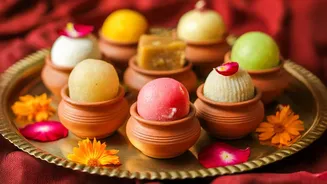
The modern Indian kitchen is also getting creative with ingredient swaps that boost nutrition without compromising on traditional tastes. Deep-fried snacks like samosas and pakoras are being baked or air-fried to achieve the same crunch with a fraction of the oil. In sweets, refined sugar is increasingly being replaced by natural alternatives like jaggery, dates, or honey. For example, laddoos made from sattu, nuts, and jaggery offer a healthier yet equally delicious alternative to their mawa-based counterparts. The type of grain used is also changing. Kheer made from millets like foxtail or oats instead of white rice provides more fibre and nutrients with the same creamy consistency. Even rich, creamy gravies are being reimagined using cashew paste or curd instead of heavy cream. These swaps are part of a broader trend where traditional, whole foods are being rediscovered for their health benefits.
A Cultural Shift Towards Sustainable Wellness
This evolution in festive eating is part of a larger cultural shift. Across India, there is a growing demand for foods that are not just tasty but also functional and nutritious. Categories like protein-enriched snacks, probiotic drinks, and millet-based products are moving from niche health stores to mainstream pantries. This indicates a deeper, more integrated approach to wellness that goes beyond short-term diets. People are realising that sustainable health is about creating balanced routines, not about deprivation. This mindset empowers individuals to participate fully in the joy of festivals, cherishing shared meals and traditional flavours without anxiety or regret. It’s a move towards food freedom, where celebrating culture and nurturing health are no longer seen as conflicting goals but as two sides of the same coin.