
What Exactly Is Paw Pododermatitis?
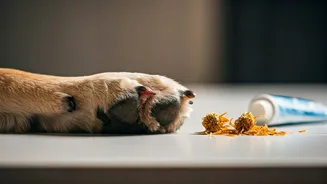
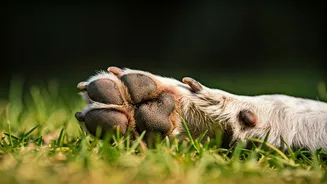
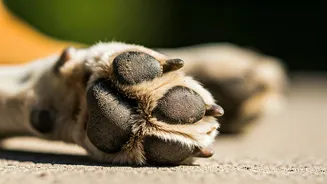
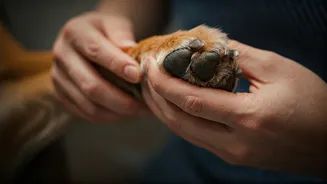
Pododermatitis is not a disease itself, but a medical term for inflammation of the paws. It can affect the skin, paw pads, the area between the toes, and even the nail folds. You might notice your dog constantly licking or chewing their feet, which can cause
redness, swelling, and sometimes even a foul odour. This condition is a sign that something is irritating your pet’s paws, and it's particularly common during the rainy season. The causes are numerous and can range from allergies and infections to foreign bodies or autoimmune issues.
The Monsoon and Paw Connection
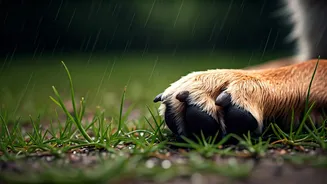
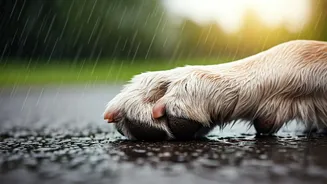
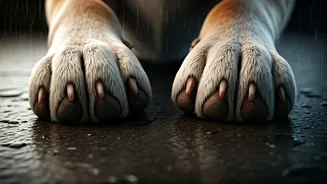
Monsoon weather creates a perfect storm for paw problems. The high humidity means your dog's paws are constantly damp, softening the skin and making it vulnerable to injury. Puddles and muddy paths are breeding grounds for bacteria and fungi. Every walk can expose your dog's paws to these irritants. When moisture gets trapped between their toes, it encourages the overgrowth of yeast and bacteria that naturally live on the skin, leading to infections, itching, and discomfort.
A Safe At-Home Paw Care Routine
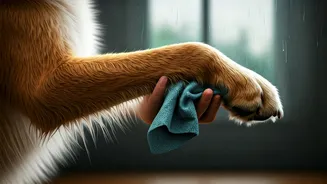
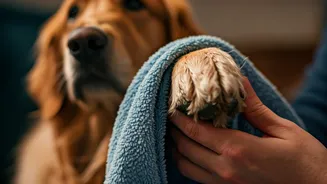
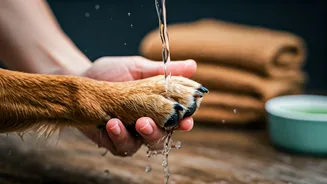
Diligent care after every walk is your first line of defence. The goal is to keep paws clean and, most importantly, dry. After your dog comes inside, gently wash their paws with lukewarm water to remove mud and debris. Using a mild, dog-specific shampoo can help with a more thorough clean, but ensure you rinse it off completely. The most critical step is drying. Pat the paws with a soft towel, paying extra attention to the spaces between the toes where moisture loves to hide. Proper drying helps prevent the fungal and bacterial growth that thrives in damp conditions.
Soothing Mild Irritation
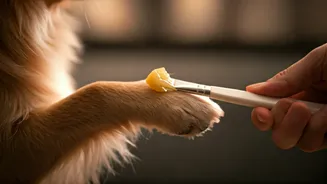
If you notice slight redness but your dog isn't in severe distress, some gentle measures can offer relief. A foot soak in an Epsom salt solution (about one cup per gallon of warm water) for 5-10 minutes can help clean and soothe mild inflammation. Another option mentioned by some is a diluted povidone-iodine solution, which has antiseptic properties, but it should be diluted to the colour of weak tea and used as a rinse. Always dry the paws thoroughly after any soak. You can also apply a thin layer of a vet-approved, pet-safe paw balm to soothe dryness, but ensure your dog doesn't lick it all off.
Crucial Rules: What NOT To Do at Home
While it's tempting to reach for human products, many are harmful to dogs. Never use human antiseptic creams, lotions, or alcohol-based wipes on your dog's paws, as they can cause more irritation or be toxic if licked. Do not attempt to pop, squeeze, or drain any blisters, cysts, or swollen lumps; this can drive the infection deeper and cause extreme pain. Avoid using hydrogen peroxide, as it can damage healthy tissue and delay healing. If home care isn't providing relief within a day or two, it's a sign that professional help is needed.
Red Flags: When to Call the Vet Immediately
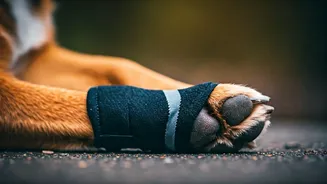
Home care is for mild irritation and prevention only. You must see a veterinarian if you notice any of the following signs: severe limping or an unwillingness to walk, visible pus or bloody discharge, a foul or yeasty odour coming from the paws, deep cuts or non-healing sores, or nodules and lumps between the toes (interdigital cysts). These symptoms point to a more serious infection or underlying condition that requires a proper diagnosis and prescription medication, such as antibiotics, antifungals, or allergy treatments, to resolve. Delaying veterinary care can lead to chronic, painful conditions that are much harder to treat.