






A Historic Launch for a New Era
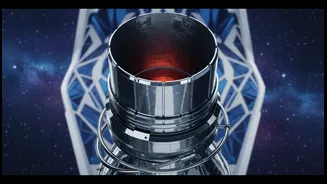
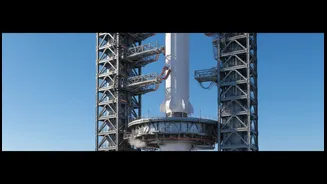
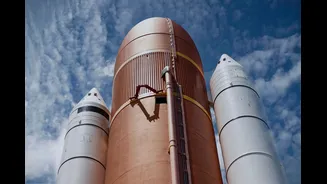
On July 18, all eyes will be on Sriharikota as Skyroot Aerospace attempts the first-ever orbital launch by a privately developed Indian rocket. The mission, named 'Aagaman' or 'arrival', is more than just a test flight; it signals the dawn of a new commercial
space age in the country. For decades, space was the domain of the state-run ISRO. But following policy reforms in 2020 that opened the sector, startups like Skyroot are now poised to become major players. Vikram-1, named after the father of India's space program, Dr. Vikram Sarabhai, is designed to carry small satellites weighing up to 350 kg into low-Earth orbit. A successful launch will validate Skyroot's technology and pave the way for a regular cadence of commercial missions, fundamentally changing India's position in the global space market.
The Direct Employment Engine
Skyroot Aerospace has rapidly transformed from a promising startup into a space-tech unicorn valued at over $1.1 billion. This growth has been directly mirrored in its hiring. The company's workforce has expanded dramatically, growing by over 200% between 2023 and 2025 to employ nearly 1,400 people. This hiring spree covers a wide array of specializations, from aerospace and mechanical engineers to specialists in avionics, software, and embedded systems. The company has been actively recruiting not just experienced professionals, but also graduates and diploma holders for technical roles in production, integration, and quality control. Job listings show demand for industrial engineers, hardware quality specialists, and procurement experts, illustrating the depth of the team required to build and launch a rocket.
The Ripple Effect Across the Supply Chain
The impact of the Vikram-1 mission extends far beyond Skyroot's direct payroll. Building a rocket is a colossal undertaking that requires a complex and robust supply chain. Skyroot's co-founder, Naga Bharath Daka, noted that the Vikram-1 launch represents the culmination of work by about 1,000 people and over 400 suppliers. This network of smaller companies provides everything from raw materials and composite structures to precision components and testing services. As Skyroot and other private space firms scale up their operations, they create a cascading demand that fuels job growth across hundreds of ancillary micro, small, and medium enterprises (MSMEs). This creates a multiplier effect, where every direct job at a company like Skyroot supports several more in the wider economy.
Fostering a Thriving Space Ecosystem
Perhaps the most significant long-term impact is the creation of a self-sustaining space ecosystem. The success of pioneers like Skyroot serves as a powerful inspiration for a new generation of entrepreneurs. Since the space sector was privatized in 2020, over 200 space-tech startups have emerged in India. This boom is creating a diverse job market that demands skills beyond traditional aerospace engineering. There is a growing need for professionals in satellite data analytics, AI and machine learning for space systems, robotics, and cybersecurity. Government initiatives, particularly the establishment of IN-SPACe to facilitate private participation, have been crucial in providing regulatory support and access to ISRO's world-class infrastructure.
What the Future Holds for Space Careers
The Vikram-1 launch is just the beginning. India's space economy, valued at $8.4 billion in 2022, is projected to surge to $44 billion by 2033. This explosive growth is expected to create over 200,000 new jobs across manufacturing, engineering, and data services in the coming decade. The focus is shifting from state-led research to a commercially driven talent base, creating career pathways that are more dynamic and accessible. With a rising number of companies building launch vehicles, satellite constellations, and downstream applications, India is positioning itself as a globally competitive hub for space technology. For students and professionals in STEM fields, the message is clear: the Indian space sector is poised to become one of the most exciting and opportunity-rich industries of the next decade.