

The aroma of buttery, spicy Paneer Ghotala from a street-side stall is irresistible. But recreating it at home often leads to a common frustration: tough, rubbery paneer. Here’s how to master the dish and keep your paneer perfectly soft.
Why Paneer Becomes Hard
Before we get
to the solution, it helps to understand the problem. Paneer, a fresh cheese, is mostly milk protein and water. It turns hard and chewy for a few key reasons. Overcooking is the primary culprit; high heat or prolonged cooking forces moisture out of the paneer, tightening its protein structure. This is why paneer added too early to a boiling gravy often becomes tough. Store-bought paneer can also be a factor, as it's often pressed firmly to remove excess moisture for a longer shelf life, making it naturally denser than homemade versions. Even refrigeration contributes by slowly drying it out. Understanding this moisture loss is the first step to preventing it.
The Golden Rule: Soak in Warm Water
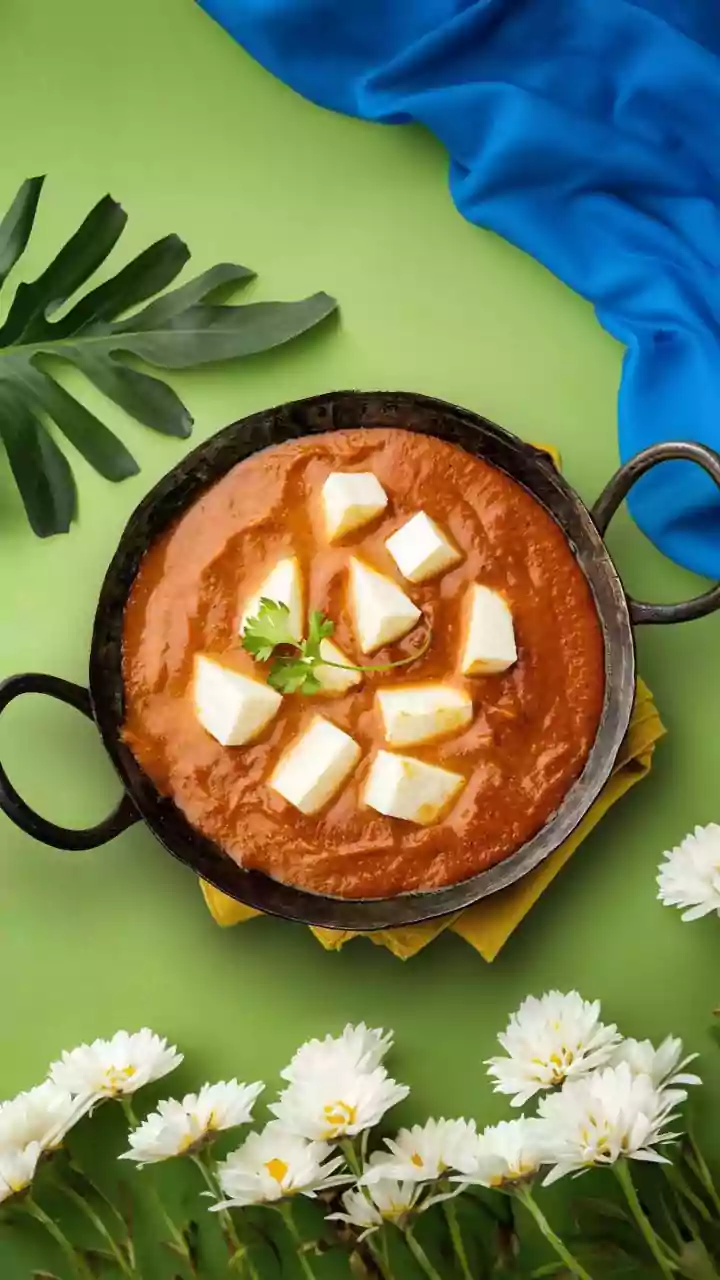
The single most effective trick to guarantee soft paneer is to give it a quick soak. Before adding it to your dish, cut the paneer into cubes and place them in a bowl of warm (not boiling) water for 15 to 20 minutes. This simple step rehydrates the paneer, restoring moisture that might have been lost during storage. It makes the paneer sponge-like, ready to absorb the flavours of your gravy without sacrificing its tender texture. For paneer that is especially firm, some chefs recommend lightly frying the cubes until pale golden and then soaking them. This method adds a layer of flavour while ensuring a soft interior. No matter which method you choose, always drain the paneer well before using it.
Mastering the 'Ghotala' Technique
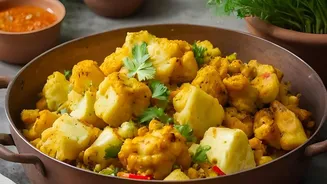
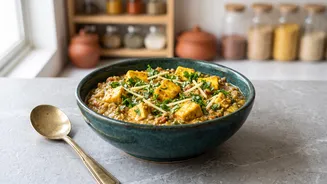
‘Ghotala’ translates to ‘scramble’ or ‘mash-up,’ which perfectly describes this indulgent dish. Originating from the streets of Surat, Paneer Ghotala is a buttery, semi-mashed curry known for its rich and complex flavour profile. The secret lies in its unique masala base. It often includes a vibrant green paste ('leela masala') made from fresh coriander and green garlic, along with a spicy red chutney of garlic and dried chillies. Another non-negotiable ingredient for that authentic street-style taste is pav bhaji masala, which gives the dish its characteristic aroma and flavour. The paneer itself is typically grated or crumbled into the gravy, creating a thick, scoopable texture that’s perfect with soft pav.
Building the Perfect Paneer Ghotala
To bring it all together, start by heating a generous amount of butter and a little oil in a pan. Sauté finely chopped onions until soft, then add ginger-garlic paste and your green and red chutneys, if using. Cook these until fragrant before adding your powdered spices, including turmeric, coriander powder, and a hefty spoonful of pav bhaji masala. Next, add chopped tomatoes and cook until the mixture thickens and the oil begins to separate. This is the moment to add your soaked and drained paneer. Since this is a 'ghotala', use grated paneer. Stir it into the masala, adding a splash of water to reach your desired consistency. Crucially, do not overcook. Simmer for just two to three minutes, allowing the paneer to absorb the flavours without toughening up. A light mash with the back of your spoon will help achieve that signature texture.
Finishing Touches and Serving
The final flourish for a truly street-style experience is all in the finish. A dollop of butter or a swirl of fresh cream at the end adds richness and balances the spices. Some variations even call for grated processed cheese, which melts into the gravy for extra creaminess. Garnish with fresh coriander and serve immediately. The classic pairing for Paneer Ghotala is buttered ladi pav. To make masala pav, simply slit the pav, spread butter on a hot tawa, sprinkle some pav bhaji masala and red chilli chutney, and toast the pav on both sides until crisp and golden. Served with a side of sliced onions and a wedge of lemon, it’s a meal that’s messy, satisfying, and deeply flavourful.