





Create Clear and Defined Zones
The most critical step in making a multi-purpose room work is creating distinct zones for each activity. This doesn't require building walls. Instead, use visual cues to signal where 'work' happens and where 'relaxation' begins. A simple area rug under
a desk can define a workspace, while a comfortable armchair and a soft lamp in a corner can create a reading nook. Bookshelves or stylish folding screens are excellent for creating a subtle physical barrier, giving each person a sense of their own space even when in the same room. The goal is to create a mental shift; when you enter the work zone, your brain knows it's time to focus, and when you leave it, you can more easily switch off.
Invest in Smart, Multi-Functional Furniture
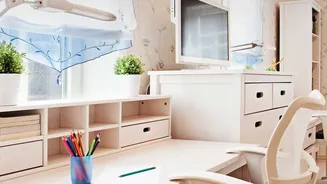
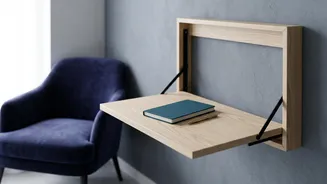
In a room that serves multiple functions, every piece of furniture should earn its keep. Look for items that are adaptable and save space. A lift-top coffee table can transform into a work desk during the day and a dining surface in the evening. Storage ottomans provide seating while hiding away work materials or personal clutter. If space is extremely limited, consider a Murphy bed that folds away to reveal a desk, instantly converting a bedroom into an office. Lightweight furniture or pieces on castors offer flexibility, allowing you to reconfigure the room easily as your needs change throughout the day. This approach keeps the room from feeling permanently cluttered and chaotic.
Control the Atmosphere with Light and Sound
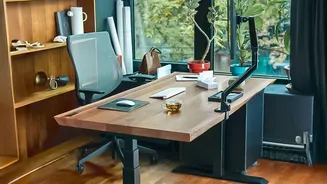
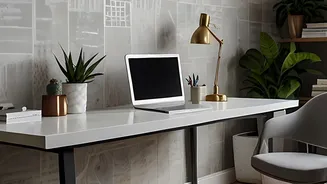
The ambiance of a room significantly affects your mood and productivity. Use layered lighting to adapt the space for different needs. Bright, focused task lighting, like an adjustable desk lamp, is essential for a work area to prevent eye strain and maintain focus. In the evening, switch to warmer, ambient lighting from floor lamps or table lamps to create a relaxing and cozy atmosphere. Sound is another crucial element, especially in a shared space. Noise-cancelling headphones are a must-have for focused work when others are present. To manage schedules, it’s vital to communicate. Establishing 'quiet hours' can ensure that everyone gets the focused time they need without interruption.
Establish Boundaries Through Communication
Physical dividers can only do so much; psychological boundaries are just as important. Open communication with your roommate or partner is non-negotiable. Have a clear conversation about schedules, needs, and expectations. When do you each have important meetings? When does each person need quiet time to focus versus time to unwind and watch a movie? Using a shared digital calendar can help manage schedules and avoid conflicts. Respecting these agreed-upon boundaries is key to long-term harmony. It’s about creating a culture of mutual respect where everyone feels their needs for both productivity and rest are being met.
Master the 'End of Day' Ritual
One of the biggest challenges of working from home is the inability to mentally 'leave' the office. To combat this, create a simple ritual to signal the end of the workday. This could involve packing away your laptop and work papers into a designated box or drawer, turning off your work phone notifications, and tidying your desk. Changing your clothes from 'work' attire to 'relaxing' clothes can also create a powerful psychological shift. This physical act of 'closing down' the workspace helps your brain understand that the professional part of the day is over, allowing you to be more present and truly enjoy your personal time in the same room.