





The Rain Deficit and Its Aftermath
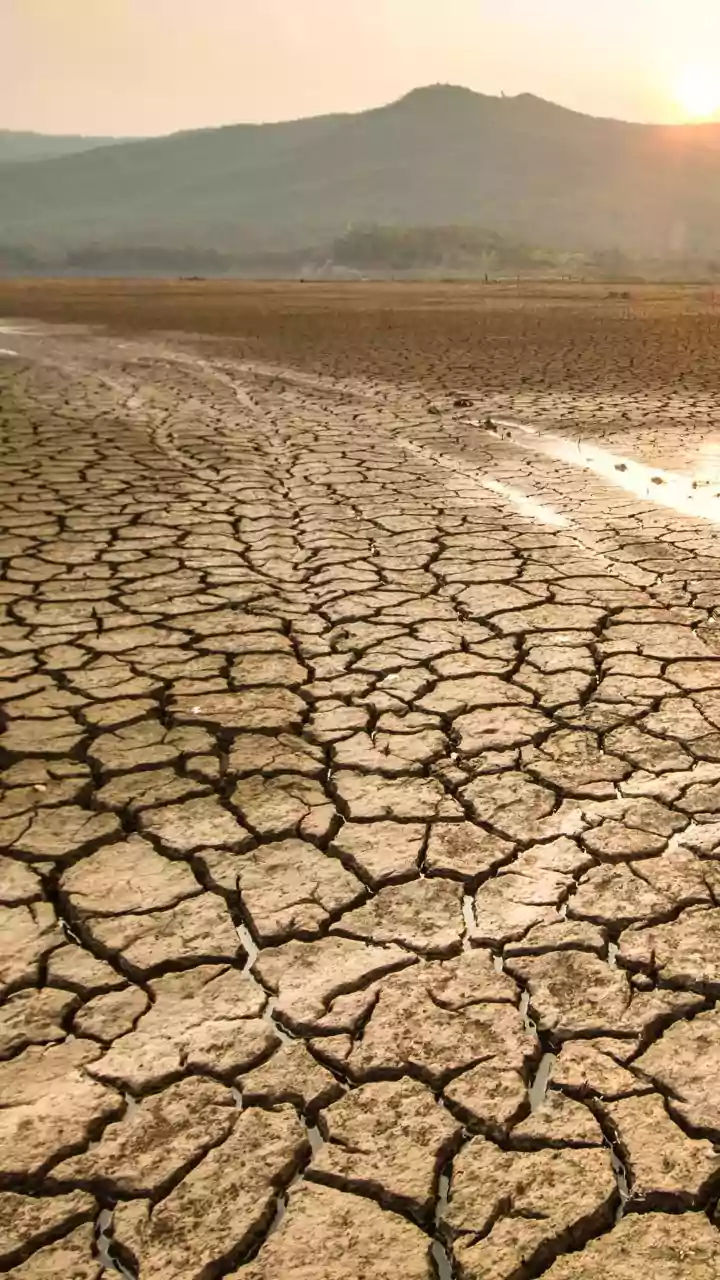
The 2026 southwest monsoon, which delivers around 70% of India's annual rainfall, concluded with a significant deficit. Rainfall was reportedly around 13% below the long-period average, with crucial pulse-growing states in southern and eastern India experiencing
deficits as high as 24-26%. This lack of rain during critical growth stages for Kharif (monsoon) crops like tur (pigeon pea) and urad (black gram) has raised serious concerns about final yields. Prolonged dry spells in major producing states like Maharashtra and Karnataka mean crops faced moisture stress, which can reduce pod formation and overall output. While late-season sowing data showed a slight increase in the total area under pulses nationally, this figure masks sharp declines in key states like Karnataka and Maharashtra, which are vital for tur production.
The Ripple Effect on Prices
The anticipated shortfall in domestic production is directly impacting market prices. With supply expected to be tight, the cost of essential pulses like tur and urad has been climbing. According to data from the Department of Consumer Affairs, as of early October 2026, the all-India average retail price of tur dal was already up nearly 9.5% compared to the previous year. Urad dal prices also saw a significant increase of over 8% in the same period. This trend is a major driver of food inflation, a persistent concern for economic planners. Food prices have a substantial weight in India's Consumer Price Index, and elevated pulse prices can quickly strain household budgets across the country, especially with the festive season demand kicking in.
The Government's Policy Tightrope
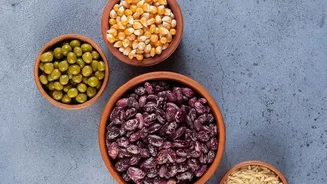
This situation presents a classic policy dilemma for the government: how to protect consumers from high prices without discouraging farmers. To cool the market, the government is reportedly considering several measures. One major option is to lower import tariffs on pulses like lentils and yellow peas to make them cheaper to bring into the country and increase overall supply. Currently, these attract duties ranging from 10% to 30%. The government has already allowed duty-free imports of tur and urad until March 2027 to address shortages. However, policymakers are walking a tightrope. Any decision on import duties must be carefully balanced. For instance, the government might keep the import duty on chickpeas (chana) to encourage farmers to plant more of this pulse during the upcoming Rabi (winter) season, which begins in October.
Imports and Buffer Stocks: The Safety Valves
India is the world's largest producer, consumer, and importer of pulses, and overseas purchases are a critical tool for managing domestic shortfalls. In the 2024-25 crop year, imports accounted for roughly 23% of the country's consumption. Given the expected weak Kharif harvest, especially for tur, import volumes could reach a record high in the current year. Key suppliers include Canada, Australia, Myanmar, and several African nations. Besides imports, the government can also release pulses from its buffer stocks to temper prices. These stocks are built by procuring pulses from farmers at a Minimum Support Price (MSP). Using these safety valves effectively—timing imports and stock releases—is crucial to prevent hoarding and ensure a steady supply without causing a price crash that would harm domestic farmers.
What Lies Ahead for Your Kitchen Budget?
The poor monsoon has set the stage for a challenging few months. The low soil moisture and depleted reservoir levels could also pose a risk to the upcoming rabi crop, which accounts for over 60% of India's total pulse production, primarily chana (gram). A strengthening El Niño phenomenon further complicates the outlook for winter rains. For consumers, this means that the price of dal is likely to remain a key point of discussion and a pressure point on kitchen budgets. The effectiveness and timing of the government's policy interventions—particularly on imports—will be the deciding factor in how much of this production shortfall translates into higher prices at the retail level. All eyes will be on the arrival of imported shipments and the sowing trends for the critical winter pulse crops.