







The New Wellness Wearable
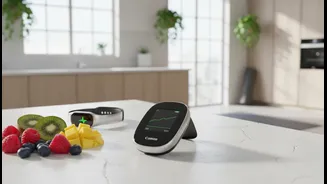
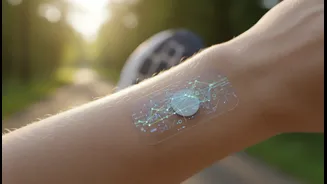
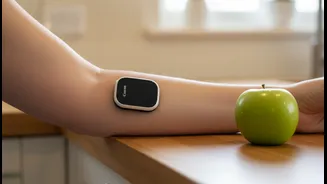
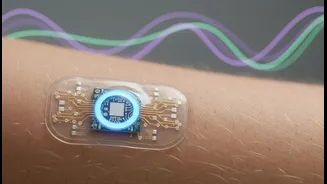
The latest buzz in the wellness world isn't a new diet or workout, but a small medical device. Continuous glucose monitors (CGMs) are small, wearable sensors that track blood sugar levels around the clock. Traditionally used by people with diabetes to manage
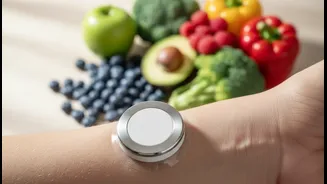
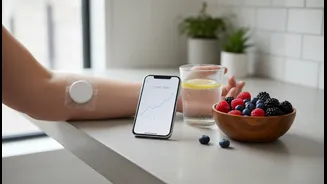
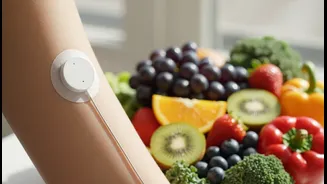
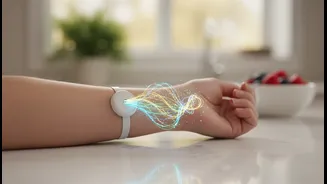
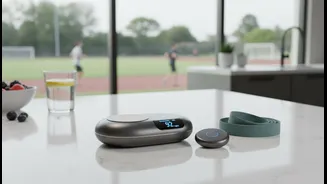
their condition, CGMs are now being adopted by a new audience: healthy individuals looking to optimise their metabolic health. This trend is fuelled by companies and influencers who position these devices as tools for bio-hacking, promising personalised insights into how diet, exercise, and stress impact energy and well-being. A thin filament under the skin measures glucose in the interstitial fluid every few minutes, sending the data to a smartphone app. This provides a constant stream of information, far beyond the single snapshot offered by a traditional finger-prick test.
The Promise of a Flatter Curve
The core idea promoted to non-diabetic users is that minimising blood sugar spikes and crashes—aiming for a stable, 'flat' glucose curve—can unlock a host of benefits. Proponents claim it can lead to more stable energy levels, improved athletic performance, weight management, and even prevention of future metabolic issues. By seeing which specific foods cause their blood sugar to soar, users believe they can tailor their diet with incredible precision. For example, someone might discover that white rice causes a sharp spike for them, while another person tolerates it just fine. This real-time feedback loop is powerful, offering what feels like a personalised roadmap to better eating habits and a deeper understanding of one's own body.
What Do Glucose Spikes Really Mean?
While avoiding extreme, frequent blood sugar spikes is generally good advice, many medical experts caution that a certain level of fluctuation is perfectly normal and healthy. After eating, especially a meal rich in carbohydrates, it's natural for blood sugar to rise as your body breaks down food into glucose for energy. For most healthy adults, post-meal levels should stay below 140 mg/dL. The body is designed to handle these temporary increases. The concern among many endocrinologists is that non-diabetic users may become overly anxious about these normal physiological responses, misinterpreting a post-meal rise as a sign of poor health. This can lead to unnecessary dietary restrictions and a fear of entire food groups, like fruits, which are otherwise nutritious.
A Doctor's Perspective
The medical community's view on this trend is largely one of cautious skepticism. While some see potential for early detection of prediabetes in at-risk individuals, many doctors argue there is not enough evidence to recommend CGM use for the general healthy population. The American Diabetes Association, for example, has not established CGM guidelines for healthy people because it's unclear what the data truly signifies for them. Experts express concern that without proper medical context, users can easily misinterpret their data, leading to health anxiety. They point out that factors like sleep quality, stress, and time of day all affect glucose levels, and a CGM reading is not a diagnostic tool on its own. The consensus is that it's a tool that shouldn't be controversial for helping healthy people stay healthy, but more research is needed to validate long-term benefits.
The Cost and Commitment
Beyond the medical debate, there are practical considerations. In India, the cost of CGM systems can be a significant barrier. While prices vary, a sensor can cost several thousand rupees and needs to be replaced every 10 to 15 days. Unlike for diagnosed diabetics, this is an out-of-pocket expense not typically covered by insurance for wellness purposes. Furthermore, the constant stream of data can create a new kind of pressure. The focus on maintaining a 'perfect' glucose curve can foster an unhealthy obsession with food and numbers, a phenomenon some experts call orthorexia, or an unhealthy focus on eating healthy. Instead of fostering a better relationship with food, it can sometimes do the opposite, creating stress around every meal.