





Understanding the Silent Damage
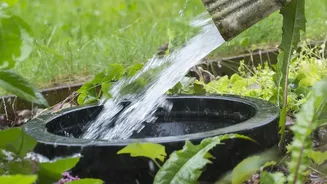
When soil becomes saturated with water for extended periods, the tiny air pockets that roots and microbes need to breathe disappear. This creates an anaerobic (oxygen-free) environment. Beneficial aerobic microbes, which are crucial for breaking down
organic matter and making nutrients available to plants, begin to die off within 24 to 72 hours. In their place, anaerobic microbes can multiply, which can lead to root rot and a sour, unhealthy soil environment. Your plant may look wilted even though the soil is wet, a classic sign that the roots are struggling for oxygen and beneficial microbial activity has ceased.
First Aid: Drain and Aerate
Immediate action is crucial. First, stop watering. If possible, move pots to a sheltered location to avoid further saturation. Gently tip containers to help excess water drain out. Ensure drainage holes are not blocked. Once the surface is no longer pooling water, you can help reintroduce air into the soil. Take a thin stick, like a chopstick or skewer, and gently poke several deep holes into the soil, especially around the edge of the pot. Be careful to avoid the main root ball. This simple action creates channels for air to penetrate deeper and for trapped water to evaporate, giving the surviving roots a fighting chance.
Amend to Rebuild Structure
Once the soil has started to dry out, focus on improving its structure. Waterlogged soil, especially heavy clay types, can become heavily compacted. The goal is to add materials that create more air space. Gently fork in amendments like compost, aged manure, or coco peat. These organic materials not only add nutrients but also physically separate dense soil particles, improving both drainage and aeration. For pots, adding perlite or coarse sand can also significantly boost drainage. Adding organic matter is the single most effective way to improve soil structure over the long term.
Re-Inoculate: Bringing Back the Microbes
With drainage and structure improved, it’s time to reintroduce the microbial workforce. The most effective way to do this is by adding high-quality, mature compost or vermicompost (worm castings). These are teeming with a diverse range of beneficial bacteria and fungi. For an extra boost, consider using traditional Indian bio-formulations. A diluted solution of Panchagavya, a fermented mixture made from cow products, is known to be rich in growth-promoting hormones and beneficial microorganisms that can help restore soil fertility and plant immunity. Jeevamrut is another powerful liquid culture that can quickly multiply microbial populations in the soil, helping to break down organic matter and fight off pathogens.
Feed Your New Soil Team
Adding microbes is only half the battle; you also need to feed them. Freshly added beneficial bacteria and fungi need a source of carbon to establish themselves and multiply. Avoid using chemical fertilisers, which can harm the delicate new microbial population. Instead, apply a thin layer of organic mulch, like dried leaves or wood chips, on the soil surface. This mulch will slowly break down, providing a steady food source for the microbes. It also protects the soil from the impact of heavy raindrops and reduces evaporation, helping to maintain a stable environment for the new soil ecosystem to thrive.
Preventing Future Waterlogging
The best remedy is prevention. Before the next monsoon, prepare your containers by ensuring they have ample drainage holes. Use a well-draining potting mix, incorporating materials like perlite or sand from the start. Placing a layer of coarse gravel at the bottom of pots is a myth and can actually hinder drainage; it's better to use a good quality potting mix throughout. Elevating your pots on 'feet' or bricks can also improve airflow and allow water to escape freely, preventing them from sitting in a puddle after a downpour.