


When choosing hair extensions, it’s easy to focus on achieving dramatic length. But the secret to a truly flawless, undetectable look lies not in inches, but in texture. Getting the texture right is the key to a seamless blend.
The Goal: A Seamless Illusion
The ultimate goal of hair
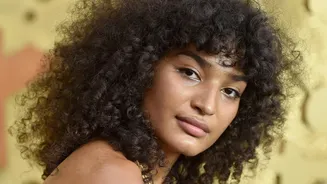
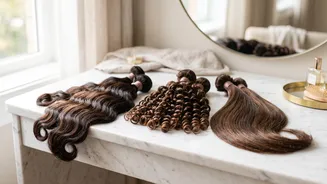
extensions is for them to look like they are your own hair. When done right, no one should be able to tell where your natural hair ends and the extensions begin. This seamless illusion depends on several factors, but stylists agree that texture is paramount. While colour matching is important, it is the texture that creates believable movement and a consistent finish from root to tip. Texture refers to the hair's pattern—whether it's straight, wavy, or curly—as well as its diameter (fine, medium, coarse) and density.
When Textures Clash: The Telltale Signs
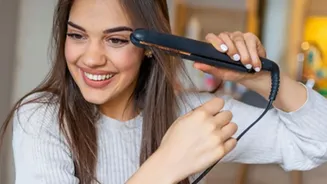
A mismatch in texture is often what makes extensions look obviously fake. Imagine someone with naturally coarse, frizzy hair trying to blend it with pin-straight, silky extensions. The difference in how the two types of hair move and reflect light creates a visible line of separation. This clash forces you into a constant battle with heat styling tools to make your natural hair conform to the extensions, which can lead to damage. Even if the colour is a perfect match, mismatched textures will behave differently in humidity or throughout the day, giving the game away.
Blending for Natural Movement
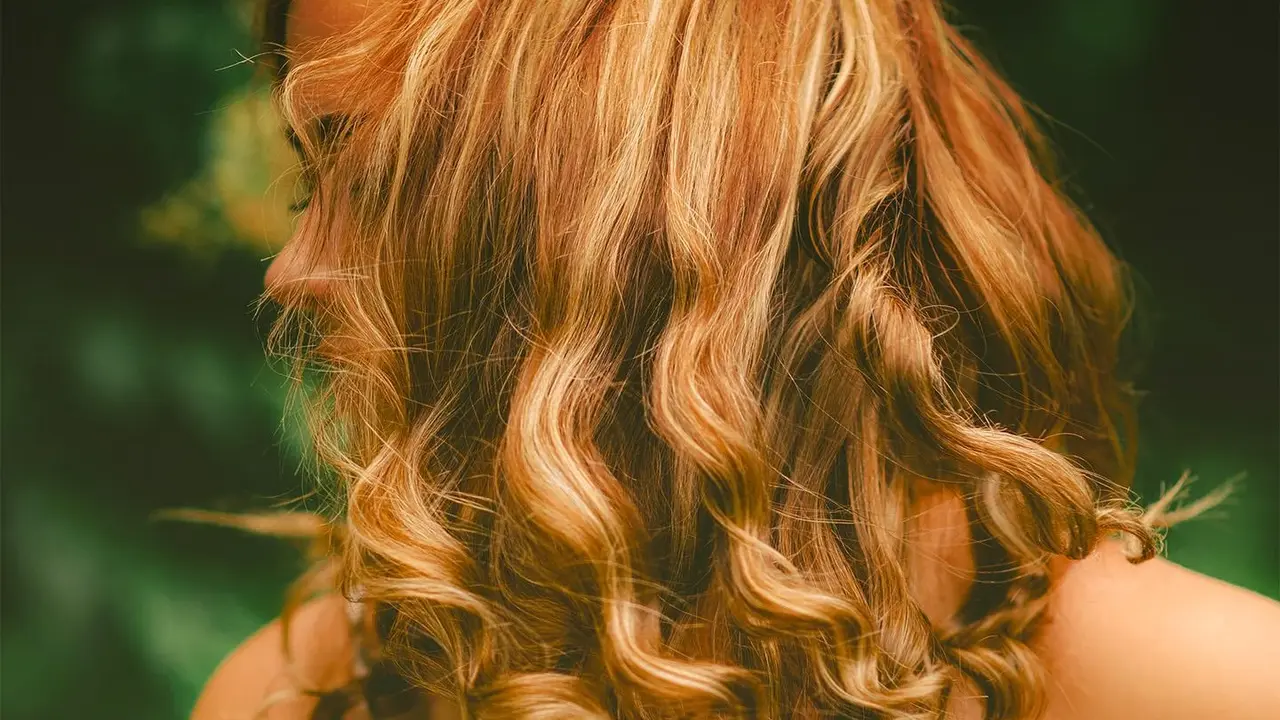
When the texture of the extensions is a close match to your own hair, blending becomes almost effortless. The extensions and your natural hair will move together as one, react similarly to weather, and be easier to style. For example, if your hair is naturally wavy, wavy extensions will hold a curl in the same way and air-dry with a similar pattern. This compatibility means less time spent with flat irons and curling wands, ultimately protecting your natural hair from excessive heat damage. The aim is to choose extensions that work with your hair, not against it.
How to Find Your Perfect Texture
Finding the right texture starts with a professional consultation. A good stylist will analyze your hair's natural pattern, density, and strand thickness. They will assess your hair when it is clean and air-dried to see its true state. It is also crucial to consider how you most often wear your hair. If you wear your curly hair blown out straight most of the time, a straighter, more textured extension might be a better match than a curly one. Don't be afraid to bring photos and ask for a physical comparison to ensure the extension hair mimics your own as closely as possible.
So, What About Length?
This isn’t to say length doesn't matter, but it is far more forgiving than texture. An expert stylist can easily blend extensions by cutting and layering them to create a natural transition, even if there's a significant difference in length. It's much harder to hide a fundamental difference in hair type. A few extra inches are simple to trim away for a seamless flow, but you cannot change the inherent texture of the extension hair itself. For a subtle, natural enhancement, choosing extensions around 4-6 inches longer than your own hair is often recommended, as it provides enough length to play with while being easy to blend.