






From Off-Season to On-Trend
The long-held view of India's monsoon as a travel dead zone from June to September is officially outdated. The hospitality industry is now embracing the rains as a third peak season, transforming a traditionally slow period into a high-potential revenue
window. Major hotel groups and online travel agencies report a significant surge in bookings, with some destinations seeing growth of up to tenfold compared to last year. This isn't just a fleeting trend; it’s a structural shift in domestic leisure travel, where the monsoon has become a powerful driver in its own right. Leaders in the sector note that July 2026 bookings are already pacing nearly 10% ahead of the previous year, indicating sustained momentum that goes beyond the typical summer and winter holiday peaks.
The New Allure of a Rain-Soaked Getaway
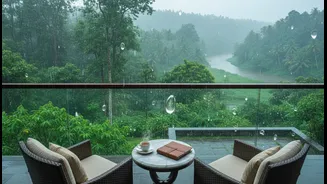
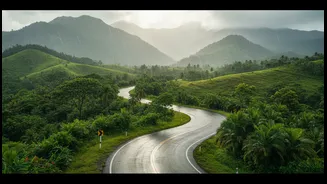
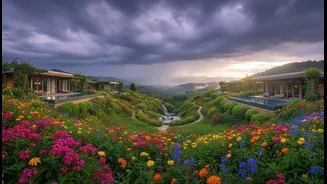
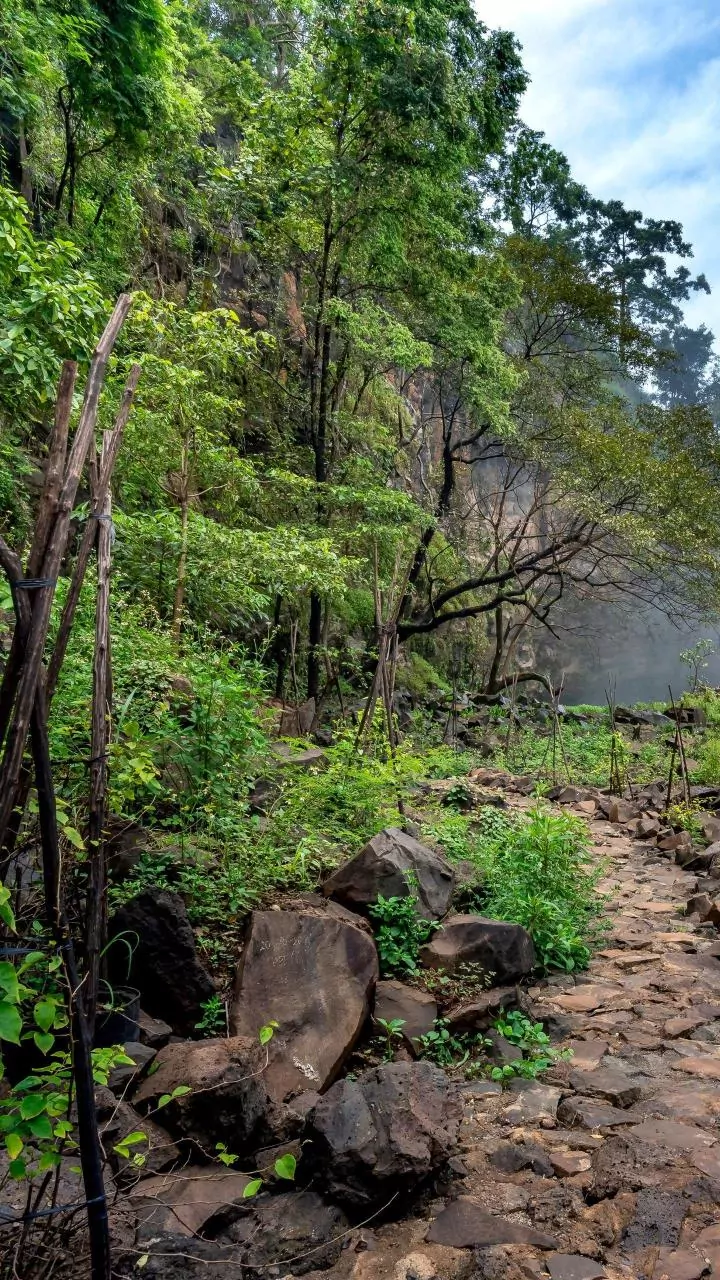
So, what’s behind this change? A new generation of travellers is actively seeking out the unique experiences the monsoon offers. Social media has played a huge role, turning misty hills, lush green landscapes, and cozy cafe stays into aspirational content. The motivation is no longer just about finding a budget deal; it’s about the experience itself. Travellers are drawn to scenic drives through the Western Ghats, wellness retreats in Kerala, and the romanticised quiet of a rain-lashed resort. This shift is part of a broader move towards experience-led travel, where people prioritise personal interests, wellness, and nature over conventional sightseeing. Destinations like Rishikesh and Mussoorie have seen searches grow by over 160% as travellers seek out spirituality, cooler climates, and a break from urban life.
How Hotels Are Cashing In
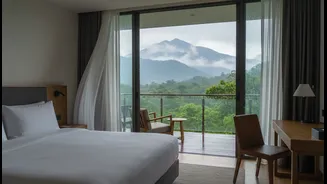
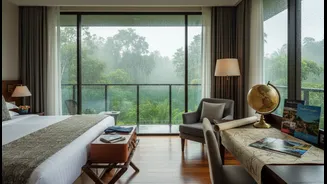
The hospitality industry has been quick to adapt and innovate. Instead of just slashing prices, hotels are creating value-driven packages and curated experiences. Many are offering monsoon-specific deals that include meals, spa discounts, and indoor recreational activities. Brands like Radisson Hotel Group and Chalet Hotels report a growing demand for holistic stays that combine comfort with unique local offerings, such as regional cuisine and seasonal comfort food. The focus has moved from simply filling rooms to selling an entire monsoon emotion. This includes everything from promoting Ayurveda treatments in Kerala, which are considered most effective during the rainy season, to creating cozy, indoor dining experiences and offering flexible cancellation policies to accommodate unpredictable weather.
Monsoon Hotspots Across the Country
While Goa and Kerala remain classic monsoon destinations, the trend is now nationwide. In the south, places like Coorg, Munnar, Wayanad, and Kodaikanal are seeing a massive influx of visitors. Hill stations in the north, including Nainital, Mussoorie, and Kasauli, are also drawing crowds. Even Rajasthan's cities, like Udaipur and Jaipur, which offer a different, less intense monsoon experience, continue to attract tourists. This demand is increasingly coming from Tier-II and Tier-III cities, broadening the market significantly. The boom extends beyond leisure, with faith-based destinations like Varanasi and Puri also maintaining healthy occupancy rates during the rains, showcasing the diverse drivers of this new travel season.