




Why Go Heatless?
Before we dive into the 'how', let's talk about the 'why'. Constant exposure to hot styling tools can lead to dryness, breakage, and split ends, stripping your hair of its natural integrity. Opting for heatless methods like overnight braiding is a gentle
alternative that protects your hair's health while still delivering a stunning, styled look. It’s a low-effort, high-reward approach to beauty that works while you sleep, saving you precious time in the morning and saving your strands from unnecessary damage. This method is not just about convenience; it’s an act of kindness to your hair, allowing it to maintain its natural moisture and strength.
Prep Work Is Key
The success of your fishtail waves begins long before the first strand is braided. The most crucial rule is to start with hair that is slightly damp, not soaking wet. Hair that is too wet won't dry completely overnight inside a braid, leading to uneven or non-existent waves. Conversely, completely dry hair may not hold the shape as effectively. The sweet spot is about 80-90% dry. You can achieve this by towel-drying your hair after a shower or, if starting with dry hair, lightly misting it with a spray bottle. Before braiding, gently detangle to ensure smooth, uniform waves. For extra hold and frizz control, you can work a small amount of a lightweight mousse, leave-in conditioner, or braid balm through your mid-lengths and ends.
Mastering the Fishtail Braid
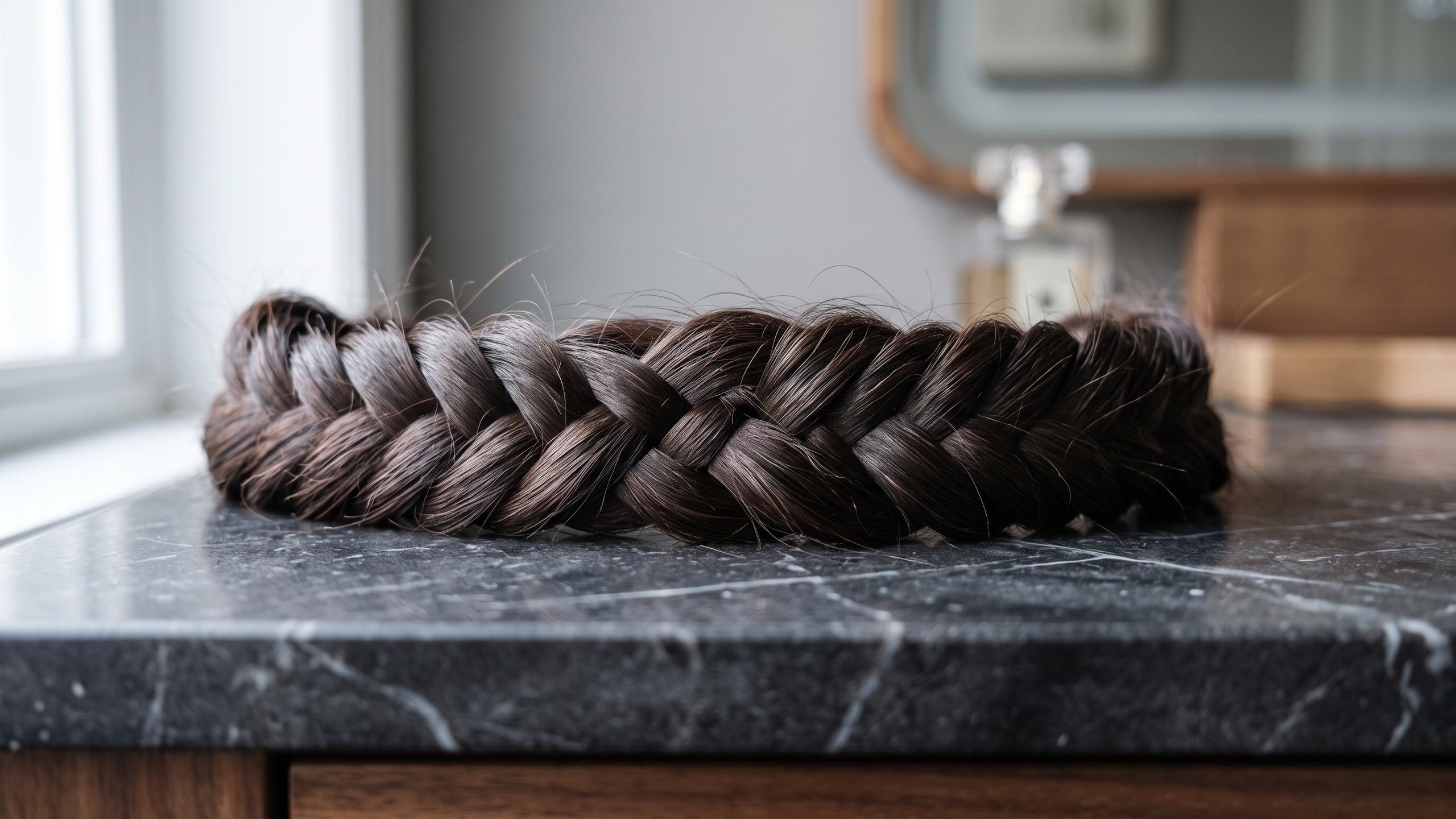
The fishtail braid creates a more defined, 'S'-shaped wave compared to the crimp of a traditional three-strand braid. While it looks intricate, the process is simple. First, divide your hair into two large, equal sections. Take a small piece of hair from the outer edge of one section, cross it over the top, and join it to the inside of the opposite section. Then, repeat the process on the other side. Continue this pattern, alternating sides, all the way down the length of your hair. The smaller the pieces you cross over, the more intricate and defined your waves will be. For softer, looser waves, take larger sections. For more volume, consider creating two French or Dutch-style fishtail braids, starting higher on your head.
Tips for a Perfect Outcome
How you braid can significantly impact your results. For looser, more natural-looking 'beach' waves, a single, looser braid is ideal. If you're after a tighter, more uniform pattern, multiple smaller braids will do the trick. Regardless of the number of braids, try not to braid too tightly at the scalp, which can be uncomfortable for sleeping. When securing the ends, use soft hair ties or scrunchies to avoid leaving a noticeable dent in your hair. A great tip is to stop braiding about an inch or two from the ends to give them a more natural, less-crimped finish. If frizz is a concern, sleeping with your braids protected in a silk or satin bonnet can make a world of difference, reducing friction and leaving your morning waves looking smoother.
The Morning Reveal
When you wake up, the final step is the most satisfying. Gently undo the braids from the bottom up. Instead of reaching for a brush, which can pull out the waves and create frizz, use your fingers to carefully separate the sections. Give your hair a gentle shake at the roots to loosen everything up and boost volume. If you find any flyaways, you can smooth them with a tiny amount of hair serum or oil warmed between your palms. To enhance the texture and add a bit more grit, a light mist of texturizing or sea salt spray can be applied. The result should be soft, touchable waves that look effortlessly chic.