






More Than Just an Ugly Stain
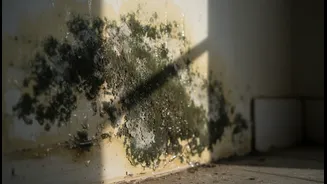
Mould is a type of fungus that thrives in damp, warm, and poorly ventilated environments—a perfect description of many Indian homes during the monsoon. Beyond being an eyesore, mould releases microscopic spores into the air that can cause a host of health
problems. Inhaling these spores can trigger allergies, leading to symptoms like sneezing, coughing, itchy eyes, and skin rashes. For people with asthma or compromised immune systems, the effects can be far more severe, potentially worsening their conditions or leading to respiratory infections. Children and the elderly are especially vulnerable to these health risks.
The DIY Trap: Why Your Scrubbing Might Make It Worse
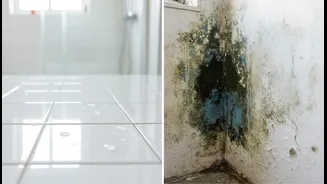
Many homeowners reach for common cleaners like bleach or a vinegar solution to tackle mould. While these can seem effective, they often only solve half the problem. Bleach is excellent at killing surface mould on non-porous materials like tiles or glass, but it cannot penetrate porous surfaces like drywall, wood, or grout. The chlorine kills the visible mould, but the water component of the bleach can soak into the material, feeding the mould's roots (called mycelium) hidden beneath the surface. This means the mould often grows back, sometimes even stronger. Vinegar is a safer, non-toxic alternative that is better at penetrating porous surfaces to kill the roots. However, for it to be effective, it needs to be undiluted and left to sit for at least an hour. A quick spray and wipe does very little. Crucially, DIY methods can also spread mould spores, turning a small, contained problem into a house-wide issue if not handled correctly.
Red Flags: When to Call a Professional
While a tiny spot of mildew on a shower tile might be a manageable DIY job, certain situations require expert help. It's time to call a professional mould remediation service if you notice any of the following signs: the mouldy patch is larger than 10 square feet; the mould keeps returning after you've cleaned it; you can smell a strong, musty odour but can't see the source, suggesting it's hidden behind walls or in your HVAC system; your home has suffered significant water damage from a leak or flood; or you or your family members are experiencing persistent allergy-like symptoms or respiratory issues. Attempting to clean large-scale infestations yourself can be hazardous to your health and may not solve the underlying issue.
The Professional Difference: Containment and Eradication
Professional mould removal is far more than just cleaning. Experts begin with an assessment to identify the type of mould and the source of the moisture that's allowing it to grow. They use specialised equipment to contain the affected area, preventing spores from spreading to the rest of your home during removal. Air filtration devices are used to capture airborne spores. Contaminated porous materials that cannot be salvaged, like drywall or carpeting, are safely removed and disposed of. Finally, they address the moisture problem itself—whether it’s fixing a leak or improving ventilation—to ensure the mould doesn't return. This comprehensive approach is what truly solves the problem, rather than just hiding it temporarily.
Prevention Is the Best Cure
During the monsoon, the key to a mould-free home is controlling moisture. Increase ventilation by opening windows for a few hours on dry, sunny days. Use exhaust fans in kitchens and bathrooms to pull humid air out. A dehumidifier can be a great investment to keep indoor humidity levels below 50%. Fix any leaks in your roof or plumbing immediately. In cupboards and closets, use moisture absorbers like silica gel packets or charcoal bags to protect your clothes and belongings. Wiping down wet surfaces in the kitchen and bathroom immediately after use can also make a big difference. By making your home less hospitable to mould, you can enjoy the rains without worrying about these unwelcome guests.