





What Exactly Is Protein Digestibility?
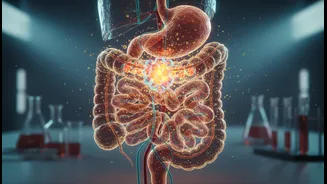
Protein digestibility refers to how well your body can break down a protein source into its fundamental building blocks, known as amino acids, and absorb them. Think of it as the body's efficiency rate for using the protein you consume. Once absorbed
into the bloodstream, these amino acids are shuttled to various parts of the body to build and repair tissues, produce enzymes and hormones, and support overall health. Unlike carbohydrates and fats, your body doesn't store protein, making a consistent and usable supply essential. The quality of a protein is determined by both its amino acid profile and its digestibility. A modern method for measuring this is the Digestible Indispensable Amino Acid Score (DIAAS), which assesses how well each essential amino acid is absorbed in the small intestine.
The Amino Acid Connection
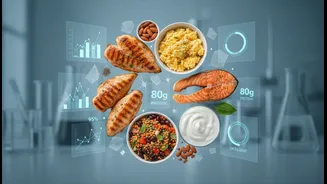
To understand digestibility, you have to understand amino acids. Our bodies need 20 different amino acids to function, nine of which are deemed "essential" because we cannot produce them ourselves and must get them from food. Proteins that contain all nine essential amino acids in sufficient quantities are called "complete proteins." Animal-based proteins like meat, fish, eggs, and dairy are generally considered complete and have high digestibility scores, often above 90%. This means the body can efficiently use the amino acids they provide. Plant-based proteins, on the other hand, can vary more widely. While some, like soy and quinoa, are complete, many others are considered "incomplete" because they are low in one or more essential amino acids.
The Digestibility Gap Between Plant and Animal Sources
Studies consistently show that animal proteins tend to be more digestible than plant proteins. There are a couple of key reasons for this. First, plant-based foods often contain what are known as "anti-nutritional factors," such as phytates and tannins. These compounds can bind to proteins and other minerals, interfering with their absorption in the gut. The fibrous and complex structure of plant cells can also make it harder for digestive enzymes to access the protein. This difference in digestibility means that even if a plant-based food has a high protein content on paper, your body might not be able to access and use all of it.
So, Is Plant Protein Inferior?
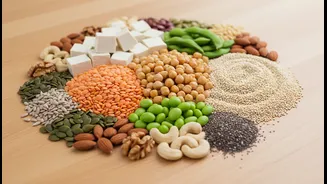
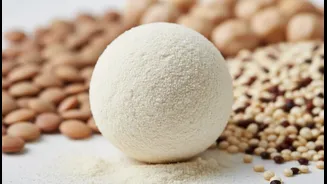
Not at all. While individual plant protein sources might have lower digestibility scores or be incomplete, this is easily managed with a bit of dietary wisdom. The concept of "protein combining"—eating a variety of plant foods throughout the day—ensures you get all the essential amino acids your body needs. For instance, pairing rice (low in the amino acid lysine) with beans (which have plenty of lysine) creates a complete protein profile. The idea that you must eat them in the same meal is a myth; your body maintains a pool of amino acids, so as long as you get a good mix over the course of the day, you're covered.
How to Improve Plant Protein Digestibility
The good news is that how you prepare your food can significantly boost the bioavailability of plant proteins. Simple, traditional methods can make a big difference. Soaking legumes, grains, nuts, and seeds before cooking can help reduce anti-nutrients. Sprouting is another effective technique that enhances the absorption of protein and other minerals. Cooking methods like boiling and fermenting also help break down complex structures and reduce anti-nutrients, making the proteins more accessible to your digestive enzymes. For example, some studies show that fermenting rice and pea protein with shiitake mycelia can elevate their protein quality score to be on par with animal proteins.