



The Official Word on Monsoon Tourism
Every year, as the monsoon intensifies, district administrations across Maharashtra issue advisories to ensure public safety. While there isn't a statewide blanket ban on tourism, specific, high-risk locations often face temporary restrictions. In April
2026, the Pune district collector clarified that tourist destinations would not be closed entirely, but preparedness for potential challenges is a priority. The India Meteorological Department (IMD) has issued orange alerts for Mumbai, Thane, and Palghar from July 1 to July 4, with a red alert for Raigad on July 2, forecasting heavy to extremely heavy rainfall. These alerts often trigger local authorities to regulate access to vulnerable spots like waterfalls, overflowing dams, and landslide-prone areas. The key is to check the latest orders from the specific district collector's office (Pune, Raigad, Nashik, etc.) before you travel.
Forts and Trails Under Restriction
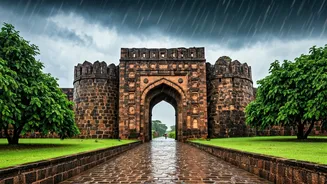
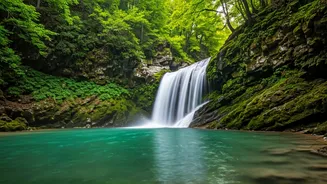
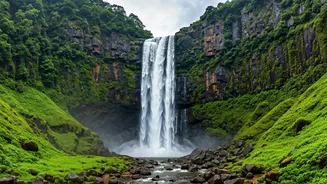
Certain popular treks face specific rules due to their terrain. In Nashik, for example, entry to the famed Harihar Fort is now limited to 300 tourists per day, with no entry permitted after 2 PM. Trekkers must get prior permission. Other spots in the Trimbakeshwar forest area, like Dugarwadi Waterfall, are also under strict watch. Historically, trails known for flash floods or slippery vertical climbs are the first to see restrictions. These include high-risk routes like Harishchandragad's Nalichi Vaat, the Shidi Ghat at Bhimashankar, and jungle treks like Andharban and Devkund, which involve stream crossings that become dangerous after heavy rain. The Forest Department often bans access to Andharban during July and August when rainfall is at its peak.
New Rules for Popular Hotspots
To manage the massive crowds that throng tourist spots, some districts have introduced new systems. The Pune district administration has been developing a slot-booking mobile app for 25 high-footfall locations across areas like Mulshi, Maval, and Rajgad to regulate entry and prevent overcrowding. While full implementation details for the 2026 season are being rolled out, the intent is clear: expect more regulated access. In Nashik, taking selfies or recording reels near waterfalls and fort edges is now strictly prohibited, and these areas have been declared alcohol-free zones to prevent accidents. These measures are designed not to spoil the fun, but to prevent the numerous accidents reported each monsoon.
Safer Alternatives for Your Weekend
Despite the restrictions, many incredible locations remain accessible and are considered safer during the rains. Forts with well-defined, wide stone paths are excellent choices for beginners and families. Lohagad Fort, near Lonavala, is often cited as one of the most forgiving monsoon treks due to its gradual, paved ascent. Other relatively safe options include Visapur Fort, known for its waterfall staircase, Korigad, and the Lonavala route to Rajmachi Fort. These treks generally avoid the primary dangers of monsoon hiking: narrow gullies, technical rock patches that become frictionless when wet, and major river crossings. Always choose trails that match your fitness level and experience.
Your Monsoon Safety Checklist
Enjoying the monsoon responsibly comes down to preparation. First and foremost, check the latest weather alerts from the IMD and any prohibitory orders from the local district administration before leaving home. Invest in proper gear: trekking shoes with excellent grip are non-negotiable, as is a good waterproof jacket. Protect your electronics in dry bags or ziplock pouches. Always trek in a group and inform a friend or family member of your exact itinerary. Avoid venturing into water bodies, be it a waterfall, stream, or lake, as currents can be deceptive. Do not consume alcohol at tourist spots. If a trail involves a stream crossing that looks even slightly risky, turn back. The mountains will still be there tomorrow.