


The Romance vs. The Reality
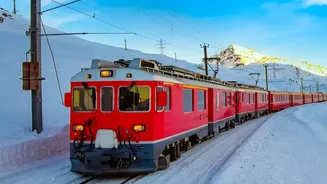
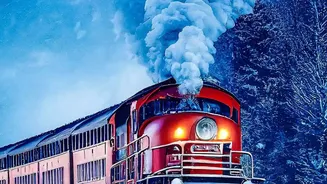
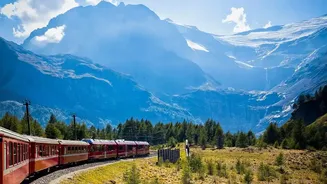
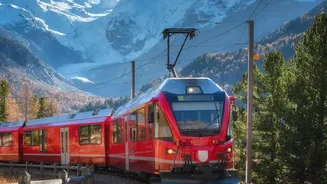
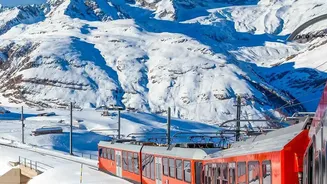
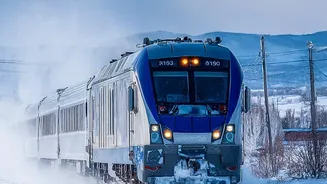
Every winter, images of snow-covered train tracks in the Himalayas spark travel dreams. The idea of a slow, scenic journey through a pristine white landscape is a powerful draw. However, the key to a successful trip lies in managing expectations. Snowfall
in the Indian Himalayas, especially at the altitudes these trains operate, is predictable only to a certain extent. A cold snap can transform a landscape overnight, but a warmer spell can mean you see frost-dusted hills instead of deep snow. The best approach is to plan for a beautiful winter journey, treating a heavy snowfall not as a requirement, but as a delightful bonus. The true guarantee is the charm of the historic trains and the grandeur of the mountain views, which are spectacular even without snow.
Kalka-Shimla Railway: The Quintessential Snow Journey
Perhaps the most iconic of India's hill trains, the Kalka-Shimla Railway is a UNESCO World Heritage Site that becomes particularly enchanting in winter. This narrow-gauge line ascends over 96 kilometres from Kalka to Shimla, navigating more than 100 tunnels and 800 bridges along the way. The journey takes about five to six hours, offering ample time to soak in the views of the Shivalik hills. For the highest probability of seeing snow, plan your travel between late December and February. January is often the peak time. During these months, Shimla and the upper reaches of the railway line are frequently covered in a white blanket, creating the postcard-perfect scenes travellers hope for. Several services like the Shivalik Deluxe Express and Himalayan Queen ply this route.
Darjeeling Himalayan Railway: Mist and Mountains
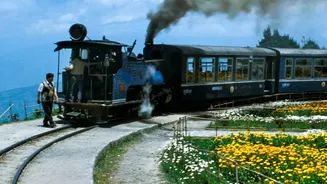
Another UNESCO World Heritage Site, the Darjeeling Himalayan Railway, or 'Toy Train', offers a different kind of winter magic. The journey from New Jalpaiguri to Darjeeling is famed for its views of tea gardens and the majestic Kanchenjunga. While snowfall in Darjeeling town itself is not an annual guarantee, it is most likely between late December and February. Often, travellers will experience frosty landscapes and stunningly clear views of the snow-capped Himalayan range, which winter is famous for. For a better chance of encountering snow, you may need to visit higher altitudes near Darjeeling, like Tiger Hill. Even without it, the crisp air and misty, atmospheric ride through the hills make for an unforgettable experience.
Kangra Valley Railway: A Quieter Path
For those seeking a less crowded but equally scenic journey, the Kangra Valley Railway is a hidden gem. This line runs from Pathankot to Joginder Nagar in Himachal Pradesh, offering breathtaking views of the Dhauladhar range. Unlike the steep climb to Shimla, this route follows the valleys, crossing nearly 1,000 bridges along its 164-km stretch. The best time for clear views of the snow-covered Dhauladhar peaks is from October to February. While the train itself may not always run through heavy snow, the backdrop of the mighty, white-robed mountains is constant and awe-inspiring. Service on this line has faced disruptions, so it's crucial to check the latest operational status before planning your trip.
Tips for Planning Your Winter Train Trip
Booking these popular 'toy trains' for a winter trip requires some planning. Tickets, especially for the Kalka-Shimla route, often sell out weeks or even a month in advance, particularly around the Christmas and New Year holidays. It's wise to book through official railway channels like IRCTC. Always check for weather forecasts closer to your travel date, but don't let a snow-less prediction deter you. Pack in warm layers, as the train coaches can be cold, especially in the mornings. Also, be prepared for potential delays. Fog in the northern plains can affect connecting trains, so it's best to build a buffer into your itinerary. Most importantly, have your camera ready and embrace the journey itself—the slow pace, the rhythmic sounds of the track, and the timeless charm of the hills.