





More Than Just Pucker Power
When we think of 'tangy' or 'sour', our minds often jump to the sharp, one-note pucker of lemon juice or the artificial zing of sour candy. But the trend set to define our palates in the coming years is far more nuanced and sophisticated. This isn't about
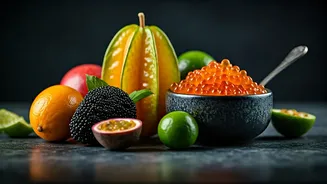
overwhelming acidity; it's about using tang to brighten, deepen, and balance flavours. Think of the complex, fruity tartness of tamarind in a South Indian curry, the floral sourness of Japanese yuzu in a dessert, or the mellow acidity of a high-quality apple cider vinegar in a salad dressing. The new tang is about complexity and character, providing a refreshing counterpoint to rich, fatty, or sweet elements in a dish, making every bite more interesting.
A World of Flavour at Our Fingertips
So, why now? A huge driver of this trend is our ever-expanding global palate. As Indian diners become more adventurous, they are embracing international cuisines that have long celebrated sourness. Filipino food, with its love for vinegar-based marinades (adobo) and the citrusy calamansi fruit, is a prime example. Middle Eastern cuisine offers the lemony zing of sumac and the funky tartness of preserved lemons. Mexican cooking masterfully balances heat and richness with the bright acidity of lime and tomatillos. As these cuisines gain more mainstream popularity in India, their foundational flavours are inspiring chefs and home cooks to think beyond traditional souring agents like amchur (dried mango powder) or kokum, and explore a wider spectrum of acidity.
The Fermentation Factor
The wellness movement has also played an unexpectedly crucial role. The boom in fermented foods, driven by interest in gut health, has quietly conditioned our taste buds to appreciate sour flavours. Kombucha, with its signature vinegary tang, has become a staple beverage. Sourdough bread, prized for its complex, lactic acid sourness, has seen a massive resurgence. Kimchi, kefir, and artisanal pickles are no longer niche health-store items but common features in modern kitchens. This growing familiarity with the natural sourness produced by fermentation has created a foundation for more adventurous tangy profiles to build upon. It's a sign that our collective palate is maturing, seeking out more complex and 'living' flavours.
The New Stars of Tang
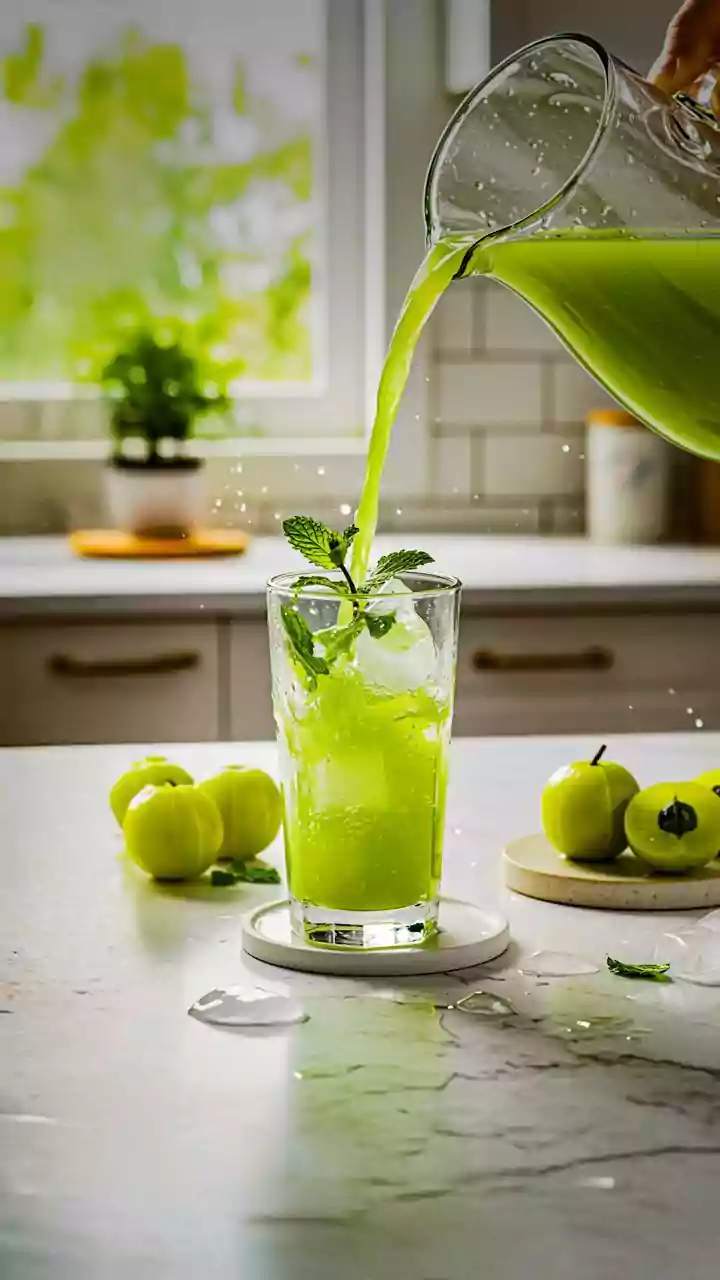
As the trend grows, a new pantry of star ingredients is emerging. Keep an eye out for yuzu, a Japanese citrus that tastes like a floral hybrid of grapefruit and mandarin orange, now appearing in everything from cocktails to sauces. Tamarind, a longtime staple in Indian kitchens, is being used in more innovative, Western-style applications. Sumac, a deep red spice with a bright, lemony flavour, is being sprinkled over more than just salads. Another rising star is the 'shrub'—a drinking vinegar made from fruit, sugar, and vinegar. These concentrated syrups are becoming a bartender's secret weapon for creating complex, non-alcoholic drinks and cocktails with a tangy kick that isn't just plain citrus.
From Fine Dining to Your Kitchen
This tangy wave is washing over menus at every level. High-end chefs are using house-made vinegars and fermented juices to create delicate, surprising dishes. Casual eateries are adding pickled onions or tangy slaws to cut through the richness of burgers and tacos. But the best part is how easy it is to bring this trend home. Start simple: squeeze fresh lime over your dal or grilled chicken. Try a splash of good-quality raspberry vinegar in your next vinaigrette. Experiment with a pinch of sumac on roasted vegetables or scrambled eggs. Exploring the world of tang doesn't require a complete pantry overhaul—just a willingness to add a little brightness to your plate.