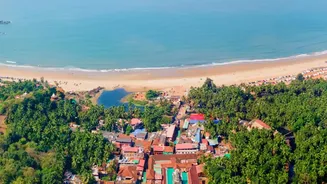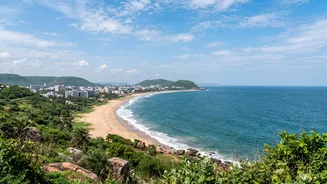





A Landmark Gathering in Vizag
Visakhapatnam is set to host the 41st annual convention of the Indian Association of Tour Operators (IATO) in September 2026. This isn't just another industry meet-up; it's a strategic move to position the port city and the entire Andhra Pradesh coastline
as a premier global tourism destination. The convention is expected to draw nearly 1,000 delegates from across the country, including top tour operators, hoteliers, and government officials. The theme, 'India: The World's Next Tourism Opportunity', signals a clear intent to move beyond established tourist trails and showcase new, untapped regions. For Visakhapatnam, hosting this event is a significant endorsement, placing it firmly on the national tourism map and setting the stage for a coordinated push to attract both domestic and international visitors.
The Vision: Beyond Just Beaches
The Andhra Pradesh government's tourism strategy is ambitious and multi-faceted. The plan involves developing seven anchor hubs, including Visakhapatnam, Araku, and Tirupati, connected by over 25 thematic circuits. These circuits are designed to offer diverse experiences, from temple trails and coastal drives to river cruises and eco-tourism adventures. Key to this vision is a focus on sustainability and community involvement. Initiatives include developing eco-friendly mountain trails in the Araku Valley and promoting homestays in tribal and rural areas to ensure that tourism benefits local communities directly. The state is also upgrading key attractions, like the Borra Caves, with a nearly ₹30 crore investment under the central government's Swadesh Darshan 2.0 scheme to bring them up to international standards.
Investing in Experiences and Infrastructure
To support this vision, significant investments are flowing into the region's infrastructure. The state's investor-friendly Tourism Policy 2024-29 has already attracted Memorandums of Understanding (MoUs) worth over ₹10,000 crore. This policy grants industry status to the tourism sector, offering incentives like stamp duty exemptions and tax reimbursements to encourage investment in hotels and resorts. In Visakhapatnam specifically, major projects are underway, including a ₹100-crore amusement park and resort, and a massive 'Green Triangle' eco-tourism circuit connecting the city's zoo, Kailasagiri Hill, and the Kambalakonda Wildlife Sanctuary. Furthermore, new services like 'caravan tourism' are being introduced to offer unique ways to explore the scenic route from Visakhapatnam to Araku. The government is also establishing city-level convention bureaus, starting with Visakhapatnam, to professionally bid for and manage large-scale international events.
What This Means for Travellers
For anyone planning a trip, this renewed focus on the East Coast translates into more options, better facilities, and richer experiences. The development of trekking and hiking trails in the Araku Valley, famous for its coffee plantations and tribal culture, will appeal to adventure enthusiasts. The Vistadome train coaches running between Visakhapatnam and Araku already offer breathtaking views and are often fully booked. The push for eco-tourism also highlights destinations like Pulicat Lake, the country's second-largest brackish water lagoon, which is being developed for bird-watching trails. Festivals like the Visakha Utsav and Araku Utsav are being scaled up to showcase local culture, crafts, and cuisine, turning the region into a year-round destination. With a goal of increasing hotel room capacity from around 19,500 to 50,000 by 2029, travellers can expect a wider range of accommodation choices, from luxury resorts to authentic homestays.