






What Exactly is FD Laddering?
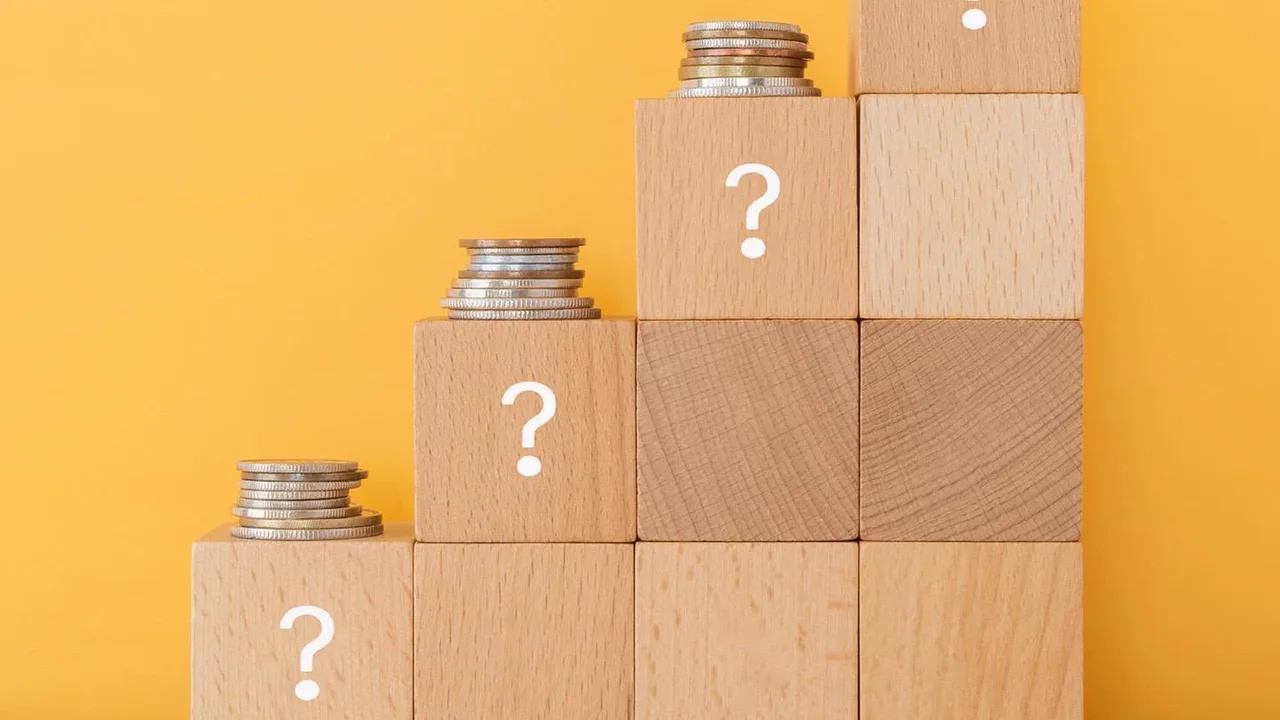
Fixed Deposit laddering is an investment strategy where you divide a lump sum of money into multiple FDs with different maturity dates instead of putting it all into a single one. Imagine a ladder: each rung is a separate FD, maturing at a different time.
This approach is designed to give you the best of both worlds: the safety and predictable returns of FDs, combined with regular access to your funds. The core idea is to create a cycle of maturing deposits, providing you with a steady stream of cash flow without having to break your investments and pay a penalty.
How It Works: A Practical Example
Let's say you have ₹5 lakh to invest. Instead of booking one 5-year FD, you can build a ladder. You would split the amount into five equal parts of ₹1 lakh each and invest them as follows: FD 1: ₹1 lakh for a 1-year tenure FD 2: ₹1 lakh for a 2-year tenure FD 3: ₹1 lakh for a 3-year tenure FD 4: ₹1 lakh for a 4-year tenure * FD 5: ₹1 lakh for a 5-year tenure At the end of the first year, FD 1 matures. You now have ₹1 lakh plus interest. You have a choice: use the money if you need it, or reinvest it into a new 5-year FD. If you reinvest, your ladder now has FDs maturing in years 2, 3, 4, 5, and 6. You repeat this process every year. Eventually, all your FDs will be long-term deposits earning higher interest, but one will mature every single year, ensuring you always have liquidity.
The Flexibility Advantage for Young Professionals
For a young investor, life is full of short-term goals and unexpected expenses. You might be saving for a down payment on a car, planning a wedding, funding further education, or just building an emergency fund. A single, long-term FD can be too rigid. Laddering provides the perfect solution. Since a portion of your investment matures every year, you can align these maturities with your financial goals. Need funds for an annual vacation or to pay an insurance premium? You can plan for an FD to mature just in time. This prevents the need for premature withdrawal, which often comes with a penalty and loss of interest.
Tackling Interest Rate Volatility
Interest rates are not static; they go up and down based on economic conditions. Laddering helps you manage this risk effectively. If you lock all your money into a single long-term FD and interest rates rise, you suffer an opportunity loss, stuck with the lower rate. Conversely, if rates fall, a single short-term FD would force you to reinvest at a much lower rate. With a ladder, you average out this risk. When an FD matures and rates are high, you can reinvest to take advantage of it. If rates have fallen, only a portion of your money is affected, while your other, longer-term FDs continue to earn at the higher rates you previously locked in.
Are There Any Downsides to Consider?
While powerful, FD laddering isn't without its drawbacks. Firstly, it requires more management than a single deposit. You need to keep track of multiple maturity dates and decide whether to reinvest or withdraw. Secondly, while it optimises returns, it may not always provide the absolute highest return compared to riskier investments like equities. If interest rates are in a consistent downward trend, each maturing FD will be reinvested at a lower rate, potentially reducing your overall earnings. However, for many, this is a small price to pay for the immense benefit of liquidity and risk mitigation.