



What Exactly Are Air Extraction Bags?
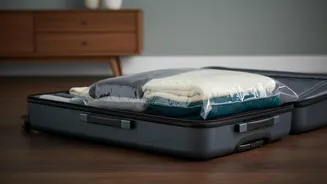
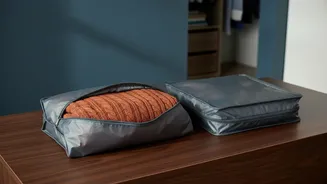
Often called vacuum compression bags or space-saver bags, these are heavy-duty plastic bags designed to have all the air removed from them. By sucking out the air that's trapped between fabric fibres, they dramatically shrink the volume of soft goods
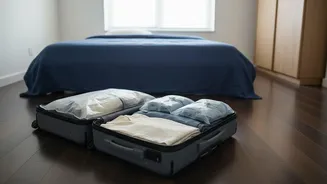
like clothing and bedding. This allows you to fit significantly more into your luggage. Imagine compressing a puffy winter jacket or a stack of thick sweaters into a flat, dense package that takes up a fraction of the original space. That's the magic of these bags—they don't reduce the weight, but they massively reduce the bulk.
The Simple Science of Compression
The principle is straightforward: remove air, reduce volume. These bags feature an airtight zip-top closure and a special one-way valve. Once you've packed your clothes inside and sealed the zipper, you remove the air through this valve. Some bags are designed to be rolled tightly by hand, which forces air out through one-way channels at the bottom. Others require a pump—either a small, portable one designed for travel or your home vacuum cleaner—to suck the air out, creating a much tighter compression. The one-way valve then seals shut, preventing air from seeping back in and keeping your items compressed throughout your journey.
More Than Just Saving Space
While the space-saving benefit is the main attraction, the protective qualities of these bags are just as important. Because they create a completely airtight and waterproof seal, they offer superior protection against unexpected moisture. Whether you're caught in a monsoon downpour, face a leaky bottle in your suitcase, or your luggage is left on a wet tarmac, the contents inside a properly sealed bag will remain perfectly dry. This seal also protects your clothes from dust, dirt, and even odours, ensuring your fresh clothes stay that way until you reach your destination.
Choosing the Right Bag for Your Trip
Air extraction bags come in two main varieties. The first are manual roll-up bags. These don't require any extra tools; you simply roll the bag tightly to push the air out. They are excellent for backpacking or trips where you won't have access to a pump. The second type is vacuum-valve bags, which offer more powerful compression but require a pump. Many travel-specific kits now come with small, lightweight manual or battery-powered pumps that are easy to pack, giving you the best of both worlds. Your choice depends on your travel style—if maximum compression is the goal, a pump system is superior; if convenience is key, roll-up bags are a great alternative.
A Few Words of Caution
Despite their benefits, these bags aren't perfect. The intense compression can lead to significant wrinkling, especially with fabrics like cotton and linen. To minimise this, fold your clothes as neatly as possible before placing them in the bag. Also, remember that while you're saving space, you are not reducing weight. It can be easy to overpack and exceed airline weight limits, so be sure to weigh your suitcase after packing. Finally, repacking for the journey home can be a challenge if you used a household vacuum and don't have one at your destination, which is why portable pumps are highly recommended for return trips.