






Understanding the Handloom Ecosystem
National Handloom Day, celebrated annually on August 7th, commemorates the 1905 Swadeshi Movement, a pivotal moment that championed self-reliance and indigenous industries. Today, the handloom sector is India's second-largest rural employer after agriculture,
a testament to its enduring economic and cultural significance. According to the 4th All India Handloom Census, the sector includes approximately 35.2 lakh workers, comprising 26.7 lakh weavers and 8.5 lakh allied workers. A significant majority—over 70%—of these artisans are women, making the support of handloom a direct investment in female empowerment and rural livelihoods. By engaging with this workforce, shoppers do more than buy a product; they help sustain a complex ecosystem of skill, heritage, and identity.
Bypass Middlemen: Connect Directly with Weavers
The most impactful way to ensure weavers receive a fair share of the profits is to buy directly from them. The traditional supply chain often involves multiple intermediaries, which can dilute the final earnings of the artisan. Fortunately, a growing number of platforms now bridge this gap. Government initiatives like the National Handloom Development Programme (NHDP) and the Comprehensive Handloom Cluster Development Scheme (CHCDS) work to create direct marketing opportunities. Many weaver cooperatives, Self-Help Groups (SHGs), and individual artisans are now accessible through social media and dedicated e-commerce websites like GoCoop, WeaverStory, and WeaversIndia. These platforms often share the weavers' stories, providing a personal connection to the craft and its creator.
Your Guide to Identifying Authentic Handloom
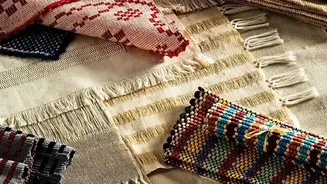
In a market flooded with power-loom imitations, knowing how to spot a genuine handwoven product is essential. Real handloom fabrics have unique characteristics that machines cannot replicate. First, check the reverse side of the fabric; you will often find small, charmingly messy thread floats and knots where new threads were introduced. Power-loom products have a much neater, more uniform back. Second, look for minor imperfections. A true handloom piece will have slight variations in the weave, selvage (edges), and motif placement, which are signs of human craftsmanship. A perfectly uniform, identical pattern across the fabric is a tell-tale sign of a machine-made product. Finally, trust your touch. Handloom fabrics often have a richer, more textured feel compared to the flat consistency of power-loom textiles.
Look for a Mark of Authenticity
To further aid consumers, the government has introduced certification marks. The 'India Handloom Brand' (IHB), launched in 2015, is a government endorsement of high-quality products that are authentic, defect-free, and environmentally and socially compliant. Products with the IHB logo and its QR code offer an assurance of quality, from the raw materials used to the final weave. This initiative aims to differentiate premium handloom products and build consumer trust, ensuring that what you buy is a genuine piece of artistry that supports the weaver fairly. When shopping, look for this branding on product tags and online descriptions as a reliable sign of authenticity.
Become an Advocate for the Craft
Supporting the handloom sector extends beyond transactions. You can become a powerful advocate for weavers by spreading awareness within your own circles. Follow artisan communities and handloom-focused organisations on social media to learn about their work and share their stories. When you wear handloom, talk about where it came from and what makes it special. Many organisations and weaver clusters also host exhibitions, workshops, and open days. Attending these events is a wonderful way to learn more about the intricate processes of dyeing, spinning, and weaving. By championing the narrative behind the fabric, you help create a more informed and appreciative market, encouraging a shift from fast fashion to sustainable, heritage-based choices.