





The Great Monsoon Retreat
October signals the official end of the southwest monsoon for most of India. This withdrawal process, which begins in the northwest in September, is typically complete for most of the country by mid-October. The result is a dramatic shift from months
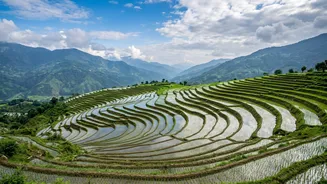
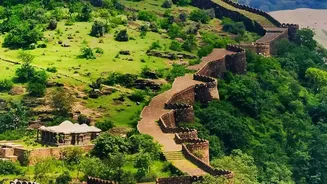
of rain to predominantly dry weather, with clear blue skies and a significant drop in humidity for many. This post-monsoon period leaves the landscape lush and green, creating picturesque scenery. However, this transition is not uniform. While the north welcomes a hint of winter, some southern states brace for a different kind of weather phenomenon entirely.
North India: Clear Skies and Pleasant Days
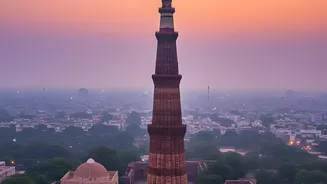
For North India, including Delhi, Rajasthan, and the plains of Punjab and Uttar Pradesh, October is arguably one of the best months of the year. Temperatures become very pleasant, hovering around 30-34°C during the day, with minimal rainfall. The oppressive humidity of the monsoon recedes, replaced by dry, sunny conditions perfect for sightseeing and outdoor activities. Evenings and mornings start to carry a distinct chill, especially towards the end of the month, making light woollens or a jacket a sensible addition to your wardrobe. It's a prime time for tourism, as national parks like Ranthambore and Jim Corbett reopen after their monsoon closure.
The Southern Peninsula: 'October Heat' and a Second Monsoon
The weather story in the south is more complex. As the southwest monsoon retreats, clear skies lead to a spike in temperatures before winter sets in. This phenomenon, known as 'October Heat', combines high temperatures with residual moisture, creating a sultry and uncomfortable climate, particularly in inland regions. Simultaneously, the southeastern coast, especially Tamil Nadu and southern Andhra Pradesh, prepares for the Northeast Monsoon. This secondary rainy season typically begins around mid-October and brings significant rainfall, sometimes accompanied by cyclones. Travellers here should pack for warm, humid conditions and expect rain.
The Himalayan Region: Autumn Colours and an Early Winter
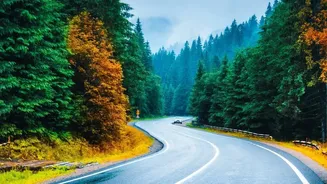
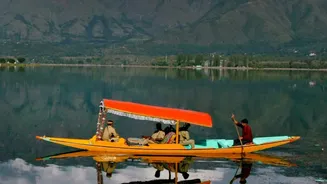
In the Himalayan states like Himachal Pradesh, Uttarakhand, and Kashmir, October brings a rapid descent into autumn. The weather is generally clear and pleasant, perfect for trekking and enjoying the crisp mountain air against a backdrop of post-monsoon greenery. However, temperatures drop significantly, especially at higher altitudes where early snowfall is a possibility. By day, it can be pleasantly warm, but nights become quite cold. Packing in layers, including warm jackets, sweaters, and thermal wear, is essential for anyone visiting the hill stations or embarking on mountain trails during this month.
Central and Western India: A Comfortable Transition
In states like Maharashtra, Goa, and Madhya Pradesh, October is a transitional month that brings welcome relief from the monsoon. While Mumbai can still feel the effects of 'October Heat' with rising temperatures, sea breezes provide some comfort. In Goa, the rainy season is ending, and the state begins to gear up for tourist season with beach shacks reopening and plenty of sunshine returning. While some occasional showers are possible early in the month, the weather generally becomes drier, hotter, and more stable, making it a good time to visit before the peak season crowds arrive.
Travel and Festive Planning
October's pleasant weather in much of the country coincides with the peak of India's festive season, including Dussehra, Durga Puja, and the build-up to Diwali. This makes it a popular month for travel. With national parks reopening and ideal weather for exploring forts and palaces, tourist activity picks up significantly. It's advisable to book flights and accommodations in advance, especially if your travel dates align with major festivals. Regardless of your destination, pack a mix of clothing. Light cottons are suitable for the south and central regions, while layers and light woollens are a must for the north and the Himalayan foothills.