


Your Outerwear is Your First Defence
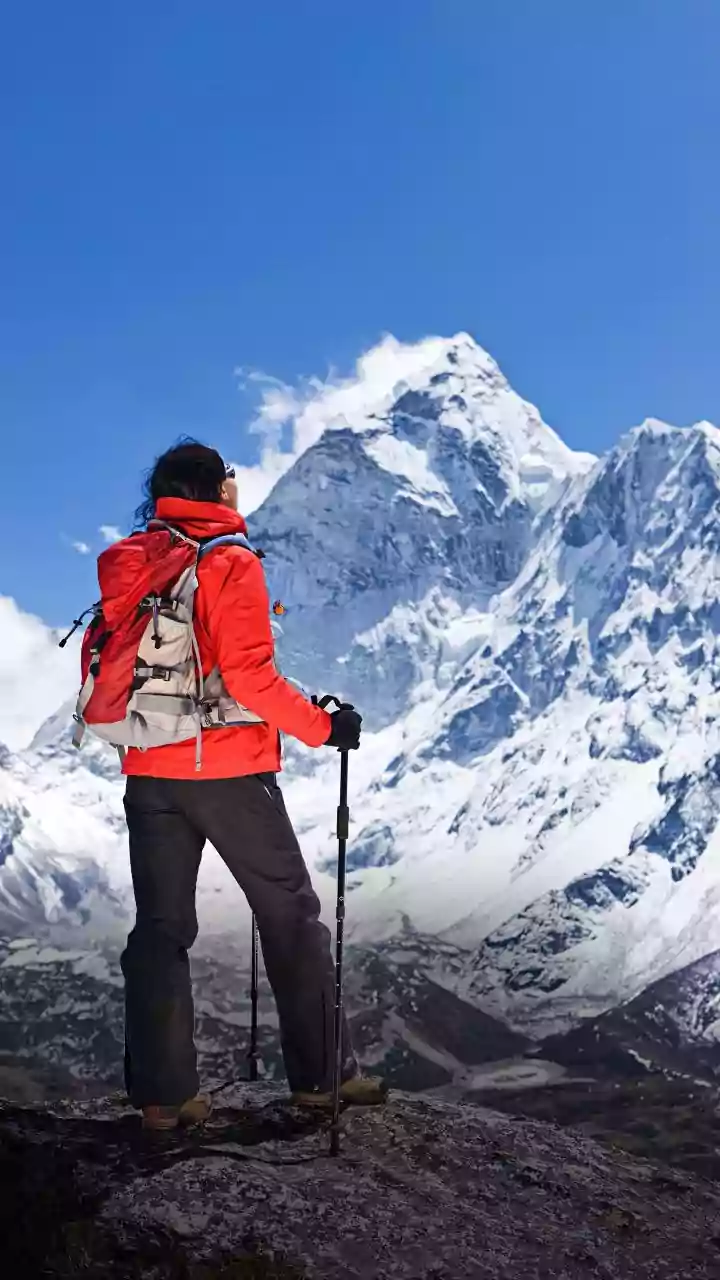
Your primary shield against the rain is your outerwear, and not all raincoats are created equal. Instead of a simple water-resistant jacket, invest in a truly waterproof one. Look for materials with a waterproof membrane and taped seams, which prevent
water from seeping through the stitching. A good rain jacket should also be breathable; otherwise, you'll end up just as wet from your own sweat. Features like adjustable hoods with a brim, secure cuffs, and storm flaps over zippers provide an extra line of defence against driving rain. Don't forget rain pants. They might seem like an extra hassle, but keeping your lower body dry is critical for comfort and preventing a dangerous drop in body temperature.
Waterproof Your Backpack Externally and Internally
Even backpacks marketed as 'water-resistant' often have vulnerable points like seams and zippers that will let water in during a sustained downpour. Your first step should be an external rain cover. These are lightweight, affordable, and can be deployed quickly when the weather turns. However, a cover alone isn't foolproof. For complete protection, you need to waterproof from the inside out. Line the main compartment of your backpack with a durable, heavy-duty pack liner or even a simple, sturdy trash bag before you start packing. This creates a reliable barrier, ensuring that even if your pack's exterior gets soaked, the contents remain bone dry.
Compartmentalise with Dry Bags
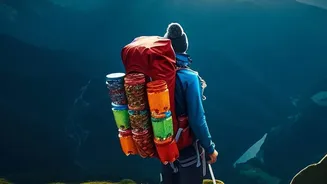
Once your pack is lined, take your organisation a step further with dry bags or stuff sacks. These are essential for compartmentalising your gear and providing a second layer of protection. Use them to separate your sleeping bag, electronics, and spare clothes. This system is especially crucial for your 'sacred' dry clothes—the set you only wear inside your tent. Keeping these items in their own dedicated dry bag means you'll always have something warm and dry to change into, which is a massive morale booster after a long, wet day of hiking. Different coloured dry bags can also help you quickly identify what's where without having to unpack everything in the rain.
Choose the Right Fabrics
When rain is in the forecast, fabric choice becomes paramount. Cotton is your enemy; it absorbs a huge amount of water and takes a very long time to dry, leaving you cold and uncomfortable. Instead, opt for synthetic, quick-drying materials like polyester and nylon for your clothing. Wool is another excellent choice because it continues to provide insulation even when it's damp. This applies to everything from your base layers and hiking shirts to your socks. Packing extra pairs of synthetic or wool socks is non-negotiable, as wet feet are not only uncomfortable but are also far more prone to blisters.
Protect Your Electronics and Valuables
Water can be an instant death sentence for phones, cameras, and power banks. For these sensitive items, 'double bagging' is a wise strategy. Place each electronic device in its own small waterproof pouch or even a simple zip-seal bag before putting it inside a larger dry bag with your other valuables. For an extra layer of defence against the pervasive dampness of monsoon season, toss a few silica gel packets into the bags containing your electronics. These tiny packets absorb ambient moisture and can help prevent damage from humidity and condensation.
Rethink Your Footwear Strategy
Keeping your feet dry in constant rain can feel like a losing battle. While waterproof hiking boots offer great protection, they can also become waterlogged and take days to dry out once soaked. An alternative strategy is to embrace the wet and opt for non-waterproof trail runners with excellent drainage, paired with wool or synthetic socks. These will get wet but will also dry much faster. Regardless of your choice, having a pair of camp shoes is essential. Pack lightweight, waterproof sandals or floaters to wear around camp, allowing your feet and your primary hiking shoes a chance to dry out. Good grip is also critical on slippery, muddy trails.