





The Secret Ingredient Hiding in Plain Sight
Every Indian household has at least one jar of achaar, its contents slowly disappearing but the flavourful, spice-infused oil or brine at the bottom lingering. We often wonder what to do with this potent liquid. Most of us let it sit, or worse, throw
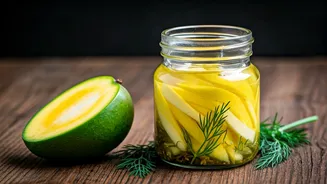
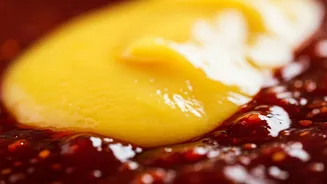
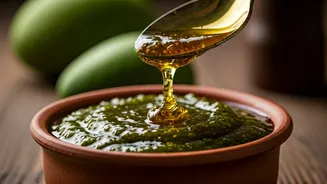
it away. But this leftover 'achaar ka paani' or brine is nothing short of liquid gold. It's a complex, ready-made flavour bomb, packed with salt, acid from vinegar or fermentation, and the deep, mellowed-out essence of spices like mustard seeds, fenugreek, fennel, and chilli. Instead of seeing it as a byproduct, think of it as a seasoned, umami-rich concentrate waiting to transform your next dish.
Why This Simple Trick Works So Well
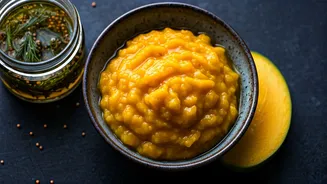
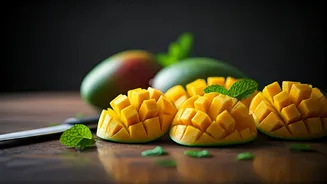
The beauty of this hack lies in basic flavour science. A classic raw mango chutney teeters on the edge of sour, sweet, and spicy. You're already balancing the sharp tang of the mango with salt, sugar or jaggery, and the heat from green chillies or red chilli powder. When you add a splash of pickle brine, you introduce several new dimensions at once. Firstly, you get a more complex salinity than plain salt can provide. Secondly, you add a layer of fermented, funky umami that deepens the overall taste profile, making it moreish and memorable. The acidity from the brine complements the mango's own sourness, creating a brighter, more rounded flavour. Finally, the infused spices in the brine add a subtle background warmth and aroma that you simply cannot achieve by adding the same dry spices into the chutney at the last minute.
A Guide to Choosing Your Brine
Not all pickle brines are created equal, and that’s the fun part. The type of achaar you borrow from will directly influence your chutney's final character. A classic mango pickle (aam ka achaar) brine is a natural choice; it doubles down on the mango flavour while adding mustard oil pungency and heat. The brine from a lime or lemon pickle will lend a sharper, citrus-forward acidity, perfect for a really zesty chutney. Using the brine from a mixed vegetable pickle can add an earthy sweetness from carrots or a unique bitterness from fenugreek. Even the liquid from a spicy green chilli pickle can be used, adding intense heat and a vinegary kick. Start with a teaspoon and taste. The key is to experiment and see which combination you love the most. Let your favourite pickle lend its signature to your favourite summer chutney.
How to Incorporate Pickle Brine
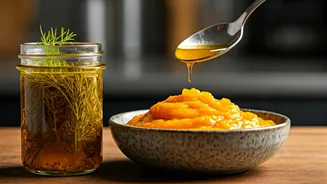
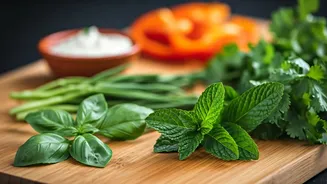
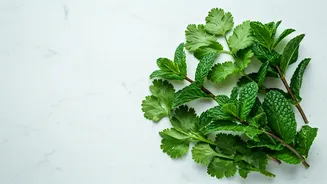
This technique couldn't be simpler. Prepare your raw mango chutney as you normally would. A good base recipe involves blending grated or chopped raw mango with fresh coriander, mint, green chillies, garlic, ginger, and a touch of sugar or jaggery to balance the sourness. Once you've blended everything to your desired consistency, stop. Before you add your final seasoning of plain salt, reach for the pickle jar. Start by adding one teaspoon of the pickle brine. Blend again and taste. You will immediately notice a difference. The brine contributes salt, so you will likely need less—or even no—additional salt. Depending on the potency of your brine and the size of your batch, you might want to add another teaspoon. Go slow; you can always add more, but you can't take it away. Adjust the other seasonings as needed, and you’re done.
Beyond The Chutney
Once you've unlocked the power of pickle brine, you'll see opportunities everywhere. This flavour-packed liquid is incredibly versatile. Whisk it into yogurt for a quick, tangy raita or dip. Use it as a marinade for paneer or chicken tikka to tenderise the protein and infuse it with flavour from the inside out. A splash can liven up a simple dal tadka or add a surprising twist to a salad vinaigrette. Think of it as a sustainable kitchen practice: you're using every last drop of flavour and reducing waste, all while making your food taste better.