




Why Pollution Is a Problem for Lens Wearers
Unlike glasses, contact lenses sit directly on your eye's tear film. Fine particulate matter (PM2.5), dust, and chemical pollutants in the hazy air can adhere to the surface of your lenses. This accumulation does two things: it disrupts the natural layer
of moisture, leading to dryness and a gritty feeling, and it traps irritants and bacteria against your cornea. This increases the risk of discomfort, inflammation, allergic reactions, dry eye syndrome, and serious infections.
Rule One: Absolute Hand Hygiene
The most critical step in your defence is washing your hands thoroughly with soap and water and drying them with a clean, lint-free cloth before you handle your lenses. This non-negotiable rule prevents the transfer of pollutants, germs, and oils from your hands directly into your eyes. Any debris introduced during insertion or removal can become trapped under the lens, potentially scratching your cornea and causing significant irritation.
Upgrade Your Cleaning and Disinfection Routine
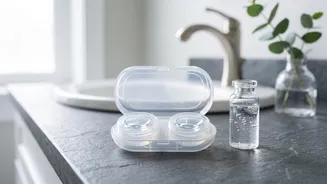
During periods of high pollution, a quick rinse isn't enough. You must 'rub and rinse' your lenses with the prescribed solution to physically dislodge stubborn deposits. Never 'top-off' old solution in your case; always discard it and use fresh solution every single time you store your lenses. Using non-sterile water, including tap or distilled water, to rinse lenses or cases is extremely dangerous and can lead to severe infections. For a deeper clean, consult your ophthalmologist about using a hydrogen peroxide-based system, which can be more effective at removing protein and pollutant buildup.
Consider Switching to Daily Disposables
Ophthalmologists often recommend daily disposable lenses as an excellent choice, especially during high-pollution seasons. Starting with a fresh, sterile pair of lenses each morning eliminates the risk of gradual deposit buildup that can occur with monthly or bi-weekly lenses. There's no need for cleaning or storage, which simplifies your routine and provides the highest level of hygiene, significantly reducing the chances of irritation and infection.
Lubricating Drops Are Your Best Friend
Using preservative-free lubricating eye drops, also known as rewetting drops, can provide immense relief. These drops help to flush out small particles that may have gotten under your lenses, while also combating the dryness caused by both pollution and indoor air conditioning. Keep them handy and use them periodically throughout the day, especially before heading out and after coming back indoors, to maintain moisture and comfort. Always check with your eye doctor to ensure the drops are compatible with your specific type of contact lenses.
Know When to Give Your Eyes a Break
Monitor the Air Quality Index (AQI). On days when pollution is rated 'Severe' or 'Very Poor', the best course of action is to give your contact lenses a break and switch to your glasses. This simple step gives your eyes a chance to breathe and recover, preventing pollutants from getting trapped and causing severe dryness or irritation. Don't try to power through discomfort; listening to your body is key to preserving your long-term eye health.
Recognize the Warning Signs
If you experience any persistent symptoms, you should remove your lenses immediately and consult an eye care professional. Be alert for warning signs such as unusual redness, pain, a constant gritty feeling, increased light sensitivity, blurry vision, swelling, or any discharge from the eye. These could be symptoms of a simple irritation or a more serious condition like an infection or a corneal ulcer, which requires prompt medical attention.