



Understanding the Movement
At its heart, the standing torso twist is a rotational exercise designed to strengthen the muscles that wrap around your midsection. Unlike crunches or planks, which work the core in a forward-and-back or static plane, twists train your body's ability
to rotate—a fundamental movement for sports and daily life. The primary muscles at work are your obliques, the muscles running along the sides of your abdomen. These are supported by your rectus abdominis (the 'six-pack' muscles), transverse abdominis (the deepest core layer), and muscles in your lower back, all working together to create controlled rotation.
How to Perform It Perfectly
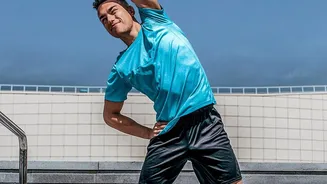
Proper form is non-negotiable for both safety and effectiveness. Start by standing with your feet shoulder-width apart and knees slightly bent. Engage your core by bracing as if you're about to be punched in the stomach; this stabilizes the spine. You can either cross your arms over your chest or extend them straight out in front of you. The key is to initiate the twist from your torso, not by swinging your arms. Slowly and with control, rotate your upper body to one side, going only as far as you can while keeping your hips relatively stable and facing forward. Return to the center and then twist to the opposite side. The movement should be smooth and deliberate.
Common Mistakes to Avoid
The biggest error is using momentum instead of muscle. Whipping your body from side to side relies on inertia and puts stress on your spine, negating the core-strengthening benefits. Another frequent mistake is letting your hips and knees rotate along with your torso. While a small amount of hip movement is natural, the goal is to create rotation in the thoracic spine (upper/mid-back), isolating the work in your obliques. Keeping your hips as square as possible is crucial. Finally, avoid rounding your back. Maintain a straight spine throughout the exercise to protect your lower back from injury. Rushing through the repetitions is another pitfall; a slower tempo ensures your muscles, not momentum, are doing the work.
The Functional Benefits
Mastering the standing torso twist offers rewards that extend far beyond the gym. It builds rotational strength, which is vital for activities like swinging a golf club, a tennis racket, or even just turning to grab something from the back seat of a car. This improved functional strength can enhance athletic performance and make daily movements feel easier and safer. By strengthening the entire core musculature, including the lower back, this exercise helps improve posture and stability, which can reduce the risk of back pain. It also improves the spine's mobility and flexibility within a safe range of motion, helping your body feel more limber and less tight.
Progressions and Variations
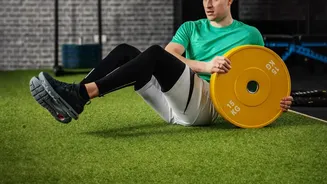
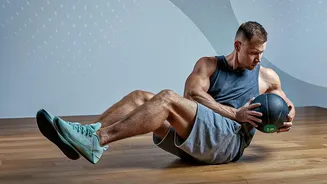
Once you have mastered the basic bodyweight twist, you can introduce variations to increase the challenge. Holding a light weight, such as a dumbbell or a medicine ball, with your arms extended will add resistance and force your core to work harder to control the movement. Another excellent progression is using a resistance band. Anchor the band to a stable point at chest height and stand sideways to it. Grab the band with both hands and extend your arms forward. Rotate away from the anchor point, focusing on fighting the band's pull as you twist and return to the start. For a more dynamic challenge, you can incorporate the twist into other movements, like a lunge or squat, rotating your torso at the bottom of the movement.