
A New Blueprint for Waterways
At the heart of this transformation is the National Waterways Act of 2016, which designated 111 rivers, creeks, and estuaries as National Waterways (NWs). The primary goal is to develop inland water transport (IWT) as a cost-effective and environmentally
sustainable alternative to congested road and rail networks. While the initial focus has been on boosting cargo movement, the infrastructure being built is creating a ripple effect, opening up new possibilities for passenger ferries and tourism. As of early 2026, 32 of these waterways are operational, with plans to activate 20 more in the coming years, signalling a major push to unlock their potential.
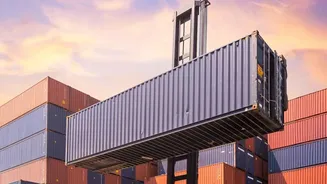
The Cargo-Led Revolution
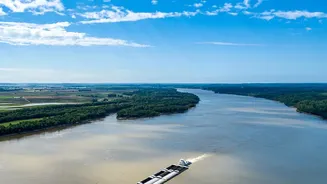
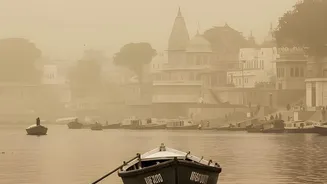
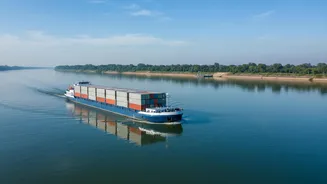
The economic argument for developing waterways is compelling. Transport via water is significantly cheaper and more fuel-efficient than by road or rail. For instance, one litre of fuel can move nearly 105 tonne-kilometres by water, compared to just 24 by road. This shift is especially beneficial for bulk commodities like coal, cement, and food grains. Projects like the Jal Marg Vikas Project on NW-1 (the Ganga) have focused on building multimodal terminals at key locations like Varanasi, Sahibganj, and Haldia, creating a robust framework for moving goods. By increasing the modal share of waterways from its current low figure of under 5%, the government aims to lower India's high logistics costs, which are estimated at 13-14% of GDP.
Beyond Barges: The Passenger Potential
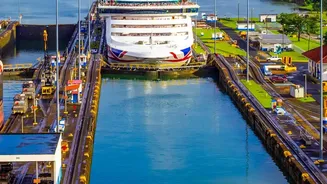
The infrastructure that supports cargo—dredged channels, navigation aids, and terminals—also paves the way for people. The expansion has seen a dramatic rise in passenger traffic on National Waterways, which surged to 7.6 crore in 2024-25. This isn't just about large-scale cruises; it's about regional connectivity. The construction of community jetties along rivers like the Ganga connects farmers, traders, and local residents to new economic opportunities. These jetties facilitate ferry services that act as crucial local transport links, reducing travel time and dependence on often-congested road bridges. This dual-use capability is central to the plan's long-term vision for integrated transport.
A New Wave of River Tourism
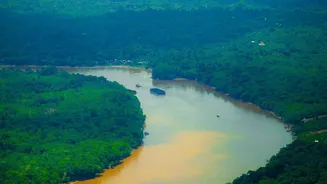
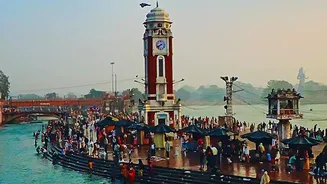
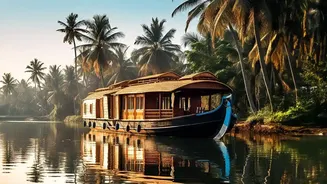
Perhaps the most visible change for the public is the burgeoning river cruise tourism sector. Once a niche market, it is now a growing segment with significant government support through the River Cruise Tourism Roadmap 2047. The number of river cruise voyages has seen steady growth, reflecting increasing demand. The infrastructure development allows cruise vessels to navigate legendary rivers like the Ganga and the Brahmaputra, offering travellers a unique way to experience India's cultural heritage and scenic landscapes. With plans for dozens of new cruise circuits and terminals, the sector is poised to create local jobs and new tourism economies in hinterland states.
Navigating the Challenges
Despite the immense potential, the path is not without obstacles. A primary challenge is the seasonal nature of India's rivers, with significant variations in water levels between monsoon and dry seasons making year-round navigability difficult. Heavy siltation, particularly in Himalayan rivers, requires constant and costly dredging, which raises environmental concerns about the impact on river ecosystems. Furthermore, attracting private investment in vessels and terminals remains a key hurdle, though recent regulations and incentive schemes aim to address this. Ensuring adequate first- and last-mile connectivity to link the waterways with industrial and agricultural hubs is another critical factor for success.