




A New Vision for Regional Tourism
The district administration of Parvathipuram Manyam is rolling out a comprehensive plan to rebrand the region as a major hub for adventure and eco-tourism. The initiative aims to move beyond traditional sightseeing, leveraging the area's stunning natural
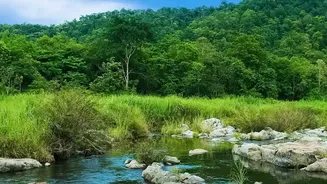
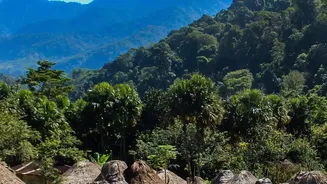
assets—including forests, hills, and a multitude of waterfalls—to create immersive experiences for tourists. District Collector Prabhakar Reddy has emphasized that the goal is twofold: generate revenue and, crucially, create sustainable employment opportunities for the local tribal youth. This strategy involves identifying and developing key tourism circuits that showcase the region's unique landscapes while ensuring that the economic benefits flow directly back into the community. Major tourism centers are being proposed within the Parvathipuram and Seethampeta Integrated Tribal Development Agency (ITDA) areas, signaling a focused effort to integrate tribal welfare with tourism development.
From Waterfalls to Bike Trails
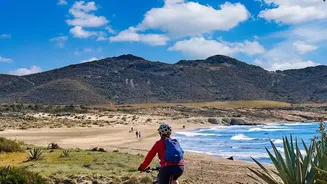
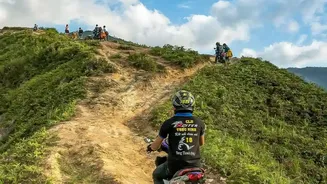
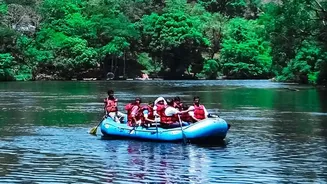
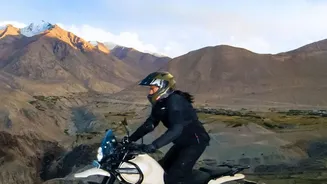
The plan includes a diverse range of adventure activities. A key proposal is the introduction of 'bike tourism,' allowing visitors to explore the scenic terrain on motorcycles along designated 30-kilometer routes. This builds on the success of a pilot tribal bike taxi service, where Adivasi youth ferry tourists to remote waterfalls that are otherwise difficult to access. The administration also plans to develop numerous waterfalls, including Dalaivalasa, Kurukutti, Tonam, and Pachipenta, and promote adventure sports like rock climbing. Existing attractions, such as the NTR Adventure Park in Seethampeta, which already offers hot-air balloon rides, are also part of this larger vision. To make these sites more accessible and informative, officials are installing QR code boards with details about each location and developing a dedicated website for bookings.
Empowerment at the Core
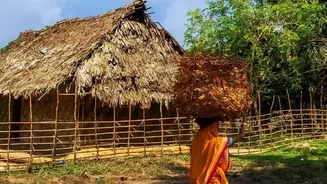
The central pillar of this initiative is the direct involvement and empowerment of local tribal communities. The 'Adi Karma Yogi' model, which has already received national recognition, encourages Adivasi communities to lead development projects. With limited government funds, locals have taken the initiative to clear paths, build bamboo bridges, and create basic amenities around tourist spots, often with more ingenuity and cost-effectiveness than planned. The administration is providing training to tribal youth to work as certified trekking guides, complete with first aid skills, to ensure visitor safety. These guides will manage newly identified trekking routes, with an initial six of twelve planned trails opening in the first phase. This community-led approach ensures that local populations are not just passive recipients but active partners in shaping the region's tourism future, running facilities, and becoming service providers.
Building a Sustainable Future
Beyond the immediate economic gains, the project is rooted in the principles of sustainability and cultural preservation. Officials are launching campaigns to establish plastic-free zones to protect the pristine environment. A significant investment is also being made in cultural infrastructure, including the establishment of a tribal museum in Seethampeta to showcase and preserve the region's rich heritage. By creating structured tourism circuits with proper rest shelters, trekking trails, and secure accommodation, the administration aims to create a safe and organized experience for visitors. This holistic approach is designed to ensure that the tourism boom is manageable and does not come at the cost of the very culture and nature that make the district attractive. The ultimate vision is a thriving, self-sufficient tourism economy that honors its tribal roots and protects its natural wealth for generations to come.