






The Rise of the 'Experience Economy'
A new mantra is taking hold among India’s urban consumers, especially millennials and Gen Z: spend on doing, not just on owning. This is the core of the 'experience economy', a trend where people choose to allocate their discretionary income towards activities
and events rather than physical goods. India's experience economy, encompassing everything from live events to travel and wellness, is projected to nearly double from $32.2 billion in 2024 to $59.2 billion by 2029–30. This growth reflects a fundamental change in what people value. Instead of another gadget, families are pooling funds for a weekend getaway, a gourmet cooking class, or front-row seats to a concert. A recent report even found that over 78% of Indian consumers say they prefer experiences over products. This isn't just a fleeting trend; it’s a structural shift in consumer behaviour.
Trading Possessions for Priceless Memories
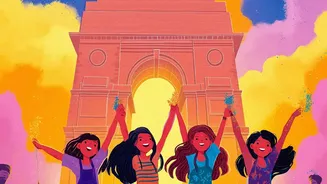
One of the key drivers behind this change is a growing desire for meaningful connections. In the post-pandemic world, the value of shared moments with family and friends has skyrocketed. Many urban Indians are realising that the joy from a family vacation or a shared adventure often lasts longer than the novelty of a new phone. Festive spending is often driven by emotion, and the emotion today is geared towards creating memories and strengthening bonds. Younger generations, in particular, are leading this charge. They have grown up in a world where experiences are highly visible and shareable on social media, turning travel and unique events into a form of social currency. A trip to a music festival or a story about a scuba diving course often carries more aspirational weight than a new handbag.
The Influence of Social Media and a Global Outlook
Social media platforms have become virtual stages for showcasing festive celebrations. An 'Instagrammable' vacation or a beautifully captured moment from a wellness retreat offers a different kind of status symbol. This digital influence is powerful; studies show that a vast majority of shoppers engage with video content on platforms like Instagram and Facebook as part of their purchasing journey. Furthermore, increased exposure to global trends through travel and the internet means the urban Indian consumer is more discerning than ever. They don't just want more; they want better, more unique, and more personal options. This has led to a 'premiumisation' trend, where consumers are willing to spend on high-value experiences like luxury stays and exclusive events.
What Do These Experiences Look Like?
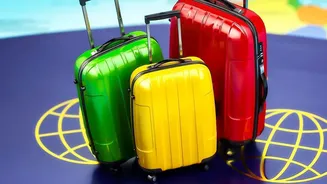
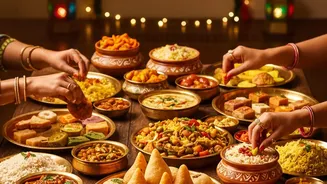
While spending on traditional categories like fashion and electronics remains strong, travel and holidays are a significant area of focus, with one survey showing that 45% of households plan to spend on this category. The definition of 'experience' is broad and varied. For some, it’s about adventure and travel—exploring a new city, trekking in the mountains, or a beach holiday. For others, it’s about personal growth and acquiring new skills through workshops on everything from pottery and painting to gourmet cooking and baking. The live events market is also booming, valued at over ₹2 lakh crore and growing annually. This includes attending music concerts, comedy shows, and cultural festivals, which offer a powerful sense of community and excitement. Even stay-at-home celebrations are becoming more experiential, with families opting for curated meal kits from gourmet restaurants or online hobby classes instead of just exchanging physical gifts.