






The Humidity Culprit
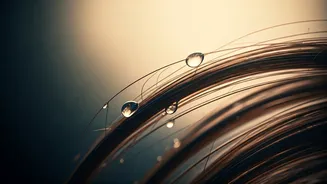
The number one reason for your monsoon hair woes is the dramatic spike in humidity. Your hair is hygroscopic, meaning it absorbs moisture from the air. When the air is saturated with water, your hair shaft swells. Trichologists explain that this process
lifts the hair cuticles, making the strands rough, weak, and extremely prone to breakage. Furthermore, this absorbed moisture doesn't hydrate the hair; instead, it can react with the natural keratin proteins, weakening the hair's internal structure. This is why even healthy hair can feel limp, frizzy, and snap easily when you brush or style it during a downpour.
A Playground for Scalp Problems
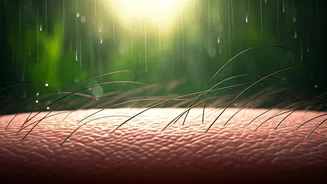
A damp, warm environment is the perfect breeding ground for microorganisms. During the monsoon, your scalp often remains damp from sweat, rainwater, or incomplete drying. This creates an ideal environment for fungal and bacterial growth. Dermatologists point to an increase in conditions like dandruff, caused by the Malassezia globosa fungus, which thrives in oily, humid conditions. This leads to an itchy, inflamed scalp. The constant scratching and inflammation weaken hair follicles at the root, leading directly to increased hair shedding. Seborrheic dermatitis and other scalp infections also flare up during this season for the very same reason.
The Diet and Dehydration Factor
Our dietary habits can shift during the monsoon. We often crave fried, processed, and unhealthy snacks, which can lack the essential vitamins and minerals your hair needs to stay strong. A deficiency in iron, biotin, zinc, and protein can significantly contribute to hair fall. Moreover, many people drink less water during the cooler, rainy days, assuming they are not as thirsty. Dehydration affects the entire body, including the scalp. A dehydrated scalp can become dry and flaky, hindering nutrient supply to the hair follicles and contributing to hair loss.
Your Monsoon Hair Care Action Plan
While you can't change the weather, you can adapt your hair care routine to fight back against seasonal shedding. Experts recommend a multi-pronged approach: 1. **Keep Your Scalp Clean and Dry:** Wash your hair two to three times a week with a gentle, anti-fungal shampoo to keep oil and microbial growth in check. Never leave your hair wet for long; use a microfibre towel and ensure your hair is completely dry, especially at the roots. 2. **Condition Correctly:** Avoid applying conditioner to your scalp, as it can contribute to buildup and oiliness. Apply it only from the mid-lengths to the ends to nourish the hair shaft without weighing down the roots. 3. **Tie Loosely, Style Gently:** Tight hairstyles like high ponytails or buns can pull on already weakened hair follicles, causing traction alopecia. Opt for loose braids or leave your hair down. Avoid excessive heat styling, as it further damages the vulnerable hair shaft. 4. **Boost Your Nutrition:** Incorporate hair-friendly foods into your diet. Think leafy greens for iron, eggs and nuts for biotin and protein, and citrus fruits for Vitamin C, which aids in collagen production and iron absorption. Stay hydrated by drinking plenty of water throughout the day.
When to See a Trichologist
It's normal to lose between 50 to 100 strands of hair a day. During the monsoon, this can increase slightly. However, if you notice significant thinning, bald patches, or if your hair fall is accompanied by severe scalp itching or pain, it's time to consult a professional. A dermatologist or trichologist can properly diagnose the underlying cause, which could be more than just the season. They can rule out hormonal imbalances, nutritional deficiencies, or other medical conditions and recommend targeted treatments, which may include medicated shampoos, supplements, or clinical procedures.