







What the IMD Confirmed
The India Meteorological Department (IMD) has officially confirmed a significant and rapid advancement of the Southwest Monsoon. The Northern Limit of Monsoon (NLM) has surged forward, covering extensive parts of Maharashtra, including Mumbai, and nearly
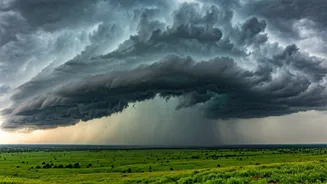
all of Odisha well ahead of typical schedules. This accelerated progress is attributed to favourable atmospheric conditions, including a strong cross-equatorial flow and the presence of a cyclonic circulation over the Bay of Bengal, which has helped pull the monsoon currents inland with greater force and speed. Instead of a gradual, day-by-day creep, the monsoon has made substantial leaps, painting large swathes of the map green in a matter of days. This is not just a routine update; it’s a confirmation of a dynamic and powerful start to the country's most important weather season.
Maharashtra: Relief and Reality
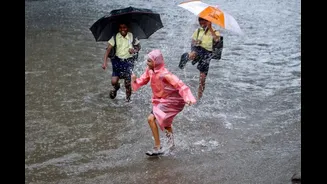
For Maharashtra, the monsoon's arrival has been a story of stark contrasts. In Mumbai, the first heavy showers brought immediate and welcome respite from soaring temperatures. However, they also brought the city's perennial problem: widespread waterlogging and traffic chaos, testing the Brihanmumbai Municipal Corporation's (BMC) pre-monsoon preparedness. Yet, just a few hundred kilometres away, in the agrarian belts of Vidarbha and Marathwada, the same rains are a godsend. These regions, often plagued by drought, depend critically on the monsoon's timely arrival for the sowing of crucial Kharif crops like cotton and soybean. The early, strong start has ignited hope among farmers, potentially setting the stage for a productive agricultural season after a period of intense heat and water scarcity. The fast-filling reservoirs are another positive, promising better water security for the months ahead.
Odisha Welcomes the Rain
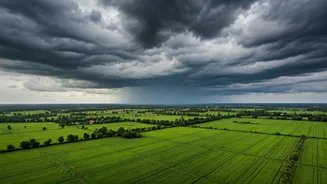
Similarly, in Odisha, the monsoon has advanced with vigour, covering most of the state's 30 districts. This rapid coverage is a significant event for the coastal state, whose economy is heavily reliant on agriculture. The timely arrival of monsoon showers is critical for paddy cultivation, the state's principal crop. The rains have broken a long spell of scorching heat and humidity that had gripped the region, bringing relief to millions. Authorities, however, remain on alert. Odisha's geography makes it vulnerable to flooding, especially in the Mahanadi river system. While the rains are currently a blessing, the state's disaster management apparatus is closely monitoring water levels and rainfall intensity to mitigate any potential flooding risks, especially if the current active phase of the monsoon persists.
The Double-Edged Sword of a Fast Advance
A rapid monsoon advance is a classic double-edged sword. On the one hand, it’s overwhelmingly positive. It means a quicker end to deadly heatwaves, a vital boost for the agrarian economy by allowing timely sowing of Kharif crops, and the crucial replenishment of dams and reservoirs that supply drinking water and electricity. A strong start often correlates with a healthy overall monsoon season, which is the lifeline of the Indian economy. On the other hand, speed and intensity come with risks. Concentrated, heavy rainfall in a short period overwhelms urban drainage systems, leading to the kind of flash floods and civic paralysis seen in Mumbai. In hilly and coastal regions, it increases the danger of landslides and severe flooding. This pattern of 'intense-rain-in-short-bursts' is a hallmark of changing climate patterns, turning a welcome phenomenon into a potential natural hazard.
Looking Ahead: What to Expect
The IMD's forecast suggests that these active monsoon conditions are likely to continue. The monsoon is expected to advance further into more parts of Central and North India in the coming days. For Maharashtra and Odisha, the immediate outlook includes continued spells of moderate to heavy rainfall. The IMD has issued alerts for heavy downpours in specific districts, advising residents and authorities to remain vigilant. The focus now shifts from anticipation to management. For citizens, this means staying updated with local weather warnings and avoiding flood-prone areas. For administrators, it’s a real-time test of their flood-control measures, traffic management plans, and disaster response readiness. The monsoon is not just a weather event; it's a four-month-long festival of managing water, and this year, it has started with a bang.