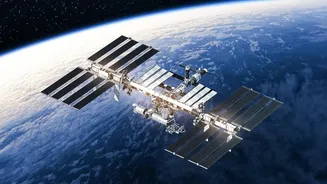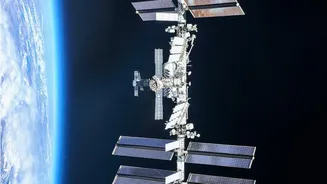


What You Are Looking For
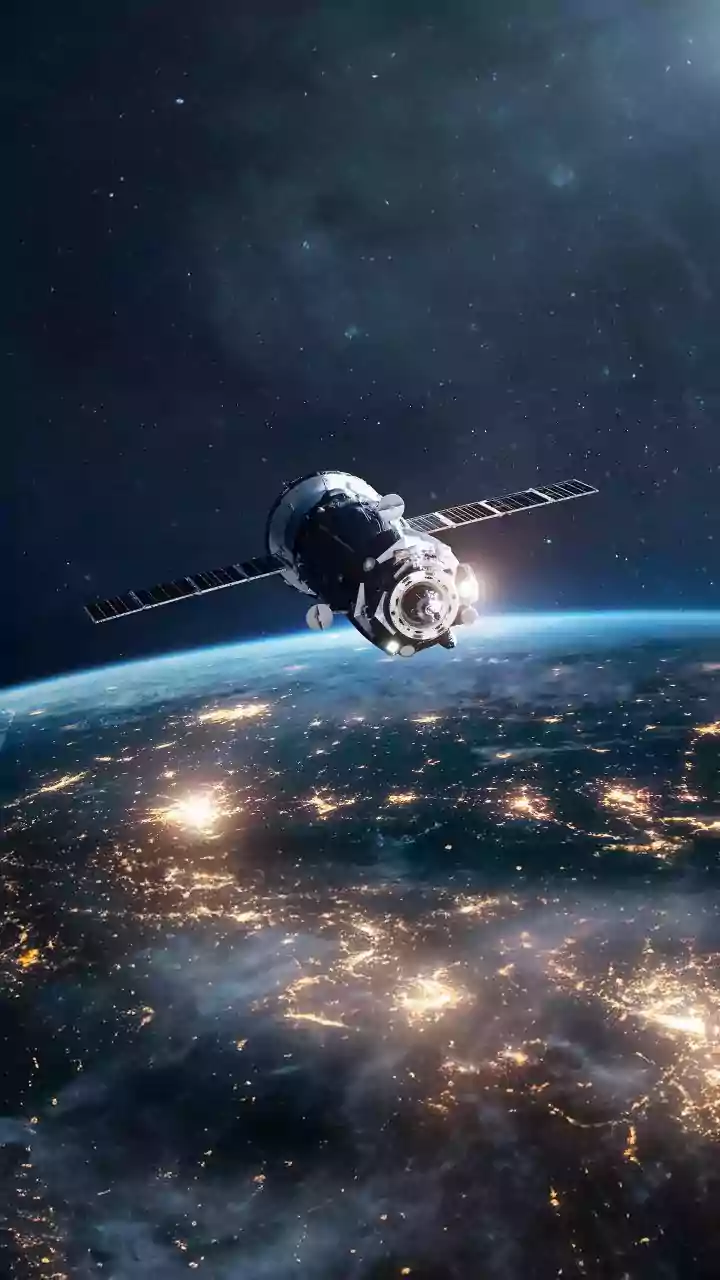
Forget complex equipment; you don't need a telescope to see the ISS. It appears to the naked eye as a very bright, steady point of light—similar to a bright star or a high-flying aeroplane but moving much faster. Unlike a plane, the ISS doesn't have flashing
lights and travels in a smooth, continuous arc across the sky. It's often the brightest object in the night sky, besides the Moon, and can even be seen from light-polluted cities.
The Perfect Time to Watch
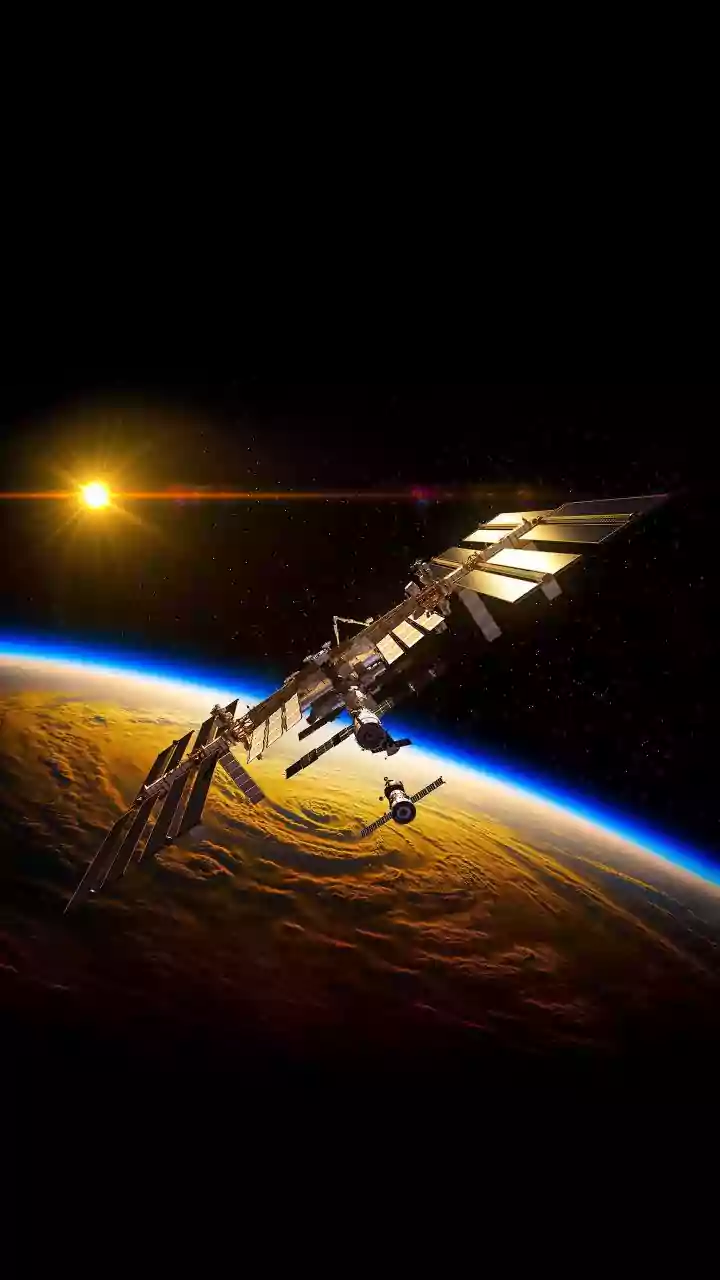
Timing is everything. The ISS is visible only because it reflects sunlight. The best viewing opportunities occur in the hours just after sunset or before sunrise. During this twilight window, the sky is dark enough for the station to stand out, but the ISS itself, at its high altitude, is still bathed in sunlight. It orbits the Earth about 16 times a day, but these dawn and dusk passes are the only ones visible from the ground.
Finding Your Local Viewing Schedule
The key to a successful sighting is knowing exactly when and where to look. The ISS passes over 90% of the Earth's population, but its path varies. Thankfully, several free and easy-to-use tools can give you precise information for your city. NASA's official 'Spot The Station' website and mobile app are excellent resources. Simply enter your location, and it will provide a list of upcoming viewing times, the duration of the pass, the maximum height it will reach, and the direction to look. Other highly-rated apps like 'ISS Detector' and websites like 'Heavens-Above' offer similar services, often with added features like push notifications and augmented reality (AR) modes to help you point your phone at the sky and find it.
Understanding the Sighting Data
When you look up viewing times, you'll see a few key terms. 'Max Height' is measured in degrees from the horizon (0°) to directly overhead (90°). A higher number means the station will pass more directly above you and appear brighter. 'Appears' and 'Disappears' tell you the compass directions where the station will first become visible and where it will vanish. The 'Visible' time, usually just a few minutes, is how long you have to enjoy the show. A pass lasting over four minutes with a high maximum elevation is considered an excellent viewing opportunity.
A Simple Viewing Guide
Once you have your local pass time, the process is simple. First, pick a spot with a clear view of the sky, away from tall buildings or trees. About five minutes before the scheduled time, go outside and let your eyes adjust to the dark. Face the direction listed under 'Appears' in your app or on the website. Then, just be patient. Right on schedule, you should see a bright light emerge and glide silently and majestically across the heavens. While you don't need any special equipment, a pair of binoculars can enhance the view, offering a better sense of its shape and speed.